

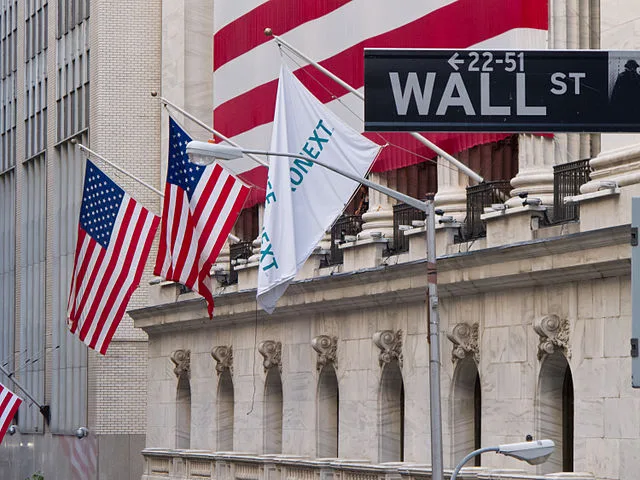
U.S. stock index futures showed modest gains despite heightened tensions between the United States and Iran around the Strait of Hormuz, signaling cautious investor sentiment. Concerns over military clashes tempered recent record highs on Wall Street, yet confidence in artificial intelligence-driven growth helped limit broad market losses.
S&P 500 futures increased by 0.2%, while Nasdaq 100 futures advanced 0.3%, supported by technology sector resilience. Dow Jones futures rose slightly as markets awaited critical U.S. nonfarm payroll figures, which carry implications for Federal Reserve interest rate decisions amid geopolitical uncertainty.

The U.S. military confirmed the interception of Iranian attacks targeting three American warships in the strategic Strait of Hormuz, a vital artery for global oil shipments. Iran accused the U.S. of breaching a ceasefire by striking locations near the strait, intensifying tensions and undermining recent hopes for a diplomatic breakthrough. Though President Donald Trump reiterated that the ceasefire remained intact and downplayed the skirmish as minor, he also cautioned Iran about further strikes if negotiations failed to advance swiftly.
This military escalation pulled major U.S. indexes lower during the regular session, with the S&P 500 falling 0.3%, Nasdaq Composite dipping 0.1%, and Dow Jones Industrial Average declining 0.6%. Technology and semiconductor stocks experienced some profit-taking after recent rallies, but enthusiasm for AI innovation continued to buoy the sector.
Investors are now focusing on upcoming employment data to gauge the U.S. labor market’s health and to evaluate potential economic impacts from the Middle East conflict. Market analysts widely expect the Federal Reserve to maintain current interest rates for the rest of the year, citing persistent geopolitical risks and economic uncertainties.