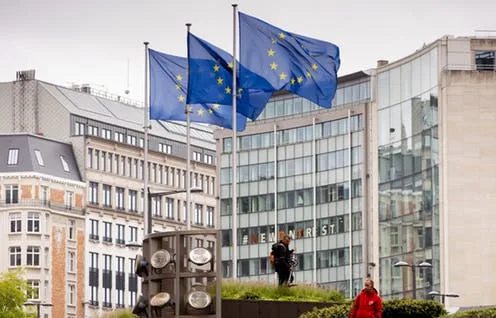
The United States Trade Representative (USTR) has placed the European Union on its Section 301 watchlist, signaling heightened concerns about trade practices and intellectual property protections. The announcement Thursday marks a shift in U.S. scrutiny of the EU and reflects growing tensions in trade relations between the two major economic powers.
The Section 301 watchlist serves as a monitoring mechanism for the USTR to identify countries and regions potentially engaged in unfair trade practices or failing to protect intellectual property rights adequately. Placement on the list does not immediately impose penalties but subjects the entity to closer oversight and opens the door to potential trade actions if issues remain unresolved.

The USTR did not specify which particular practices or regulatory concerns prompted the EU's inclusion. However, the move suggests American dissatisfaction with aspects of the bloc's regulatory enforcement or trade conduct. Given the deep economic interconnectedness between the United States and the European Union, this development could have substantial implications for bilateral trade relations.
The watchlist announcement also included positive movements on the trade front. Argentina and Mexico were removed from the USTR's priority watchlist following notable improvements in their handling of intellectual property rights. Both nations demonstrated progress in strengthening their legal and regulatory frameworks to align with U.S. trade expectations, according to the USTR assessment.
Vietnam received a more serious designation, elevated to priority country status on the watchlist. This higher classification signals more substantial concerns and typically triggers intensified monitoring and engagement from U.S. trade authorities, potentially leading to more aggressive diplomatic pressure for reforms.
The latest Section 301 report underscores the federal government's sustained emphasis on intellectual property protection and fair trade practices globally. As trade dynamics continue to shift, countries on the watchlist face mounting pressure to implement reforms or risk facing economic consequences through targeted trade actions.