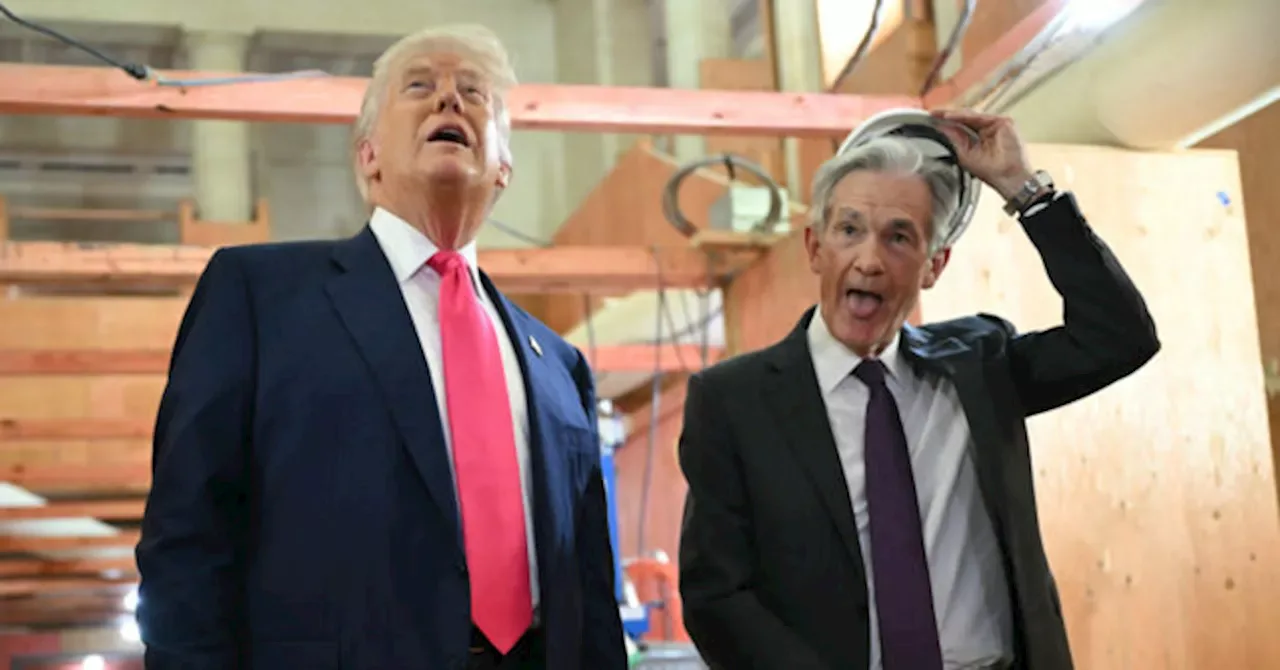
Powell made the announcement at a press conference Wednesday, saying he plans to remain as a governor despite his chairmanship ending. His term as governor extends through January 2028, though he declined to specify how long he intends to serve in that capacity. The decision breaks with recent tradition, as Fed chairs typically leave the institution entirely when their leadership tenure concludes.
The Fed chair attributed his choice to concerns about what he called "legal attacks" from the Trump administration. Powell specifically referenced the Justice Department's subpoena of the Federal Reserve for information regarding cost overruns in renovations of the Fed's headquarters in Washington. He characterized these actions as "unprecedented in our 113-year history" and expressed worry that they undermine the Fed's institutional independence.
"I worry that these attacks are battering the institution and putting at risk the thing that matters to the public, which is the ability to conduct monetary policy without taking into account political factors," Powell stated.
The Justice Department's investigation became a flashpoint in Senate confirmation proceedings. Senator Thom Tillis, a North Carolina Republican, initially withheld support for Powell's successor until the investigation was resolved. After a federal judge quashed the subpoena, U.S. Attorney Jeanine Pirro announced her office would close the investigation, though she stated the Fed's inspector general would continue examining the renovation matter and she retained the option to restart her investigation if new evidence emerged.
Powell clarified that his decision to remain on the board was not a response to verbal criticism from elected officials, including President Trump's past attacks on his rate-setting decisions. He also denied that he was staying to block Trump from appointing additional board members. The Fed's board currently includes three Trump appointees.
Powell signaled his intent to maintain a low profile as a governor and to avoid undermining the leadership of his successor, Kevin Warsh, whom Trump nominated for the chair position. Powell indicated that once Warsh is confirmed as board chair, the Federal Open Markets Committee would elect him as FOMC chair as well. The last Fed chair to remain on the board after leaving the top position was Marriner Eccles, who served from 1948 to 1951.
Powell stated he was encouraged by assurances from the Justice Department and Senator Tillis that the investigation would not be reopened absent a criminal referral from the Fed's inspector general. However, he suggested these commitments had not fully satisfied his earlier condition that the matter be "well and truly over with transparency and finality."