

African climate negotiators have drawn attention to the critical intersection of climate change and public health as they prepare for upcoming United Nations climate discussions in Bonn. They emphasized that climate change represents not only an environmental threat but also a growing health emergency impacting millions across Africa.
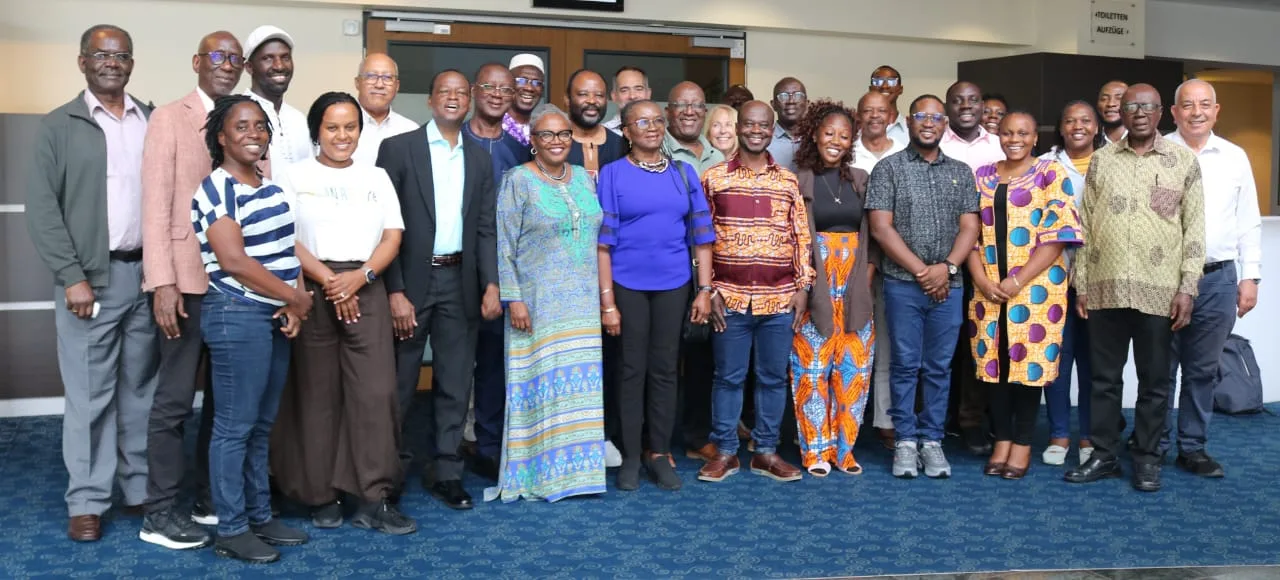
The African Group of Negotiators on Climate Change (AGN), led by Nana Dr Antwi-Boasiako Amoah, convened a Climate and Health Capacity Building Workshop in Bonn to drive this agenda. The workshop brought together negotiators, technical specialists, youth climate advocates, and representatives from institutions such as WHO-AFRO, Africa CDC, Amref Health Africa, and the International Institute for Sustainable Development (IISD).

Dr Amoah stressed that climate and health challenges are inseparable in Africa, where rising temperatures, frequent floods and droughts, food insecurity, malnutrition, air pollution, and shifting disease patterns increasingly stretch fragile health systems. The workshop builds upon the launch of Africa’s first Climate and Health Curriculum, introduced by Amref Health Africa in Dar es Salaam last year, which aims to equip negotiators with critical knowledge on climate-related health issues.
Continued evidence reveals alarming trends: climate-sensitive diseases are spreading into new regions, extreme weather events damage vital health infrastructure, and public health systems face mounting pressure. Dr Amoah underscored these factors as key priorities for African negotiators during the 64th Session of the UNFCCC Subsidiary Bodies (SB64).
A significant step forward is the recent inclusion of health within the Global Goal on Adaptation (GGA), a framework guiding adaptation efforts under the UN climate process. The AGN called for health indicators that accurately reflect Africa’s vulnerabilities and realities, advocating for adaptation finance tailored to bolster climate-resilient health systems.
The negotiators view ongoing discussions under the Belém Adaptation Indicators and the Baku Adaptation Road Map as vital opportunities to shape global adaptation metrics and funding priorities. Africa’s representatives argue that adaptation finance must enable investments in early warning systems, resilient health infrastructure, and preparedness for climate-driven health emergencies.
- The workshop emphasized the urgent need for climate adaptation strategies that prioritize public health.
- African negotiators advocate for meaningful, context-specific health indicators within global adaptation frameworks.
- They call for increased adaptation financing to strengthen health infrastructure and early warning capabilities.