

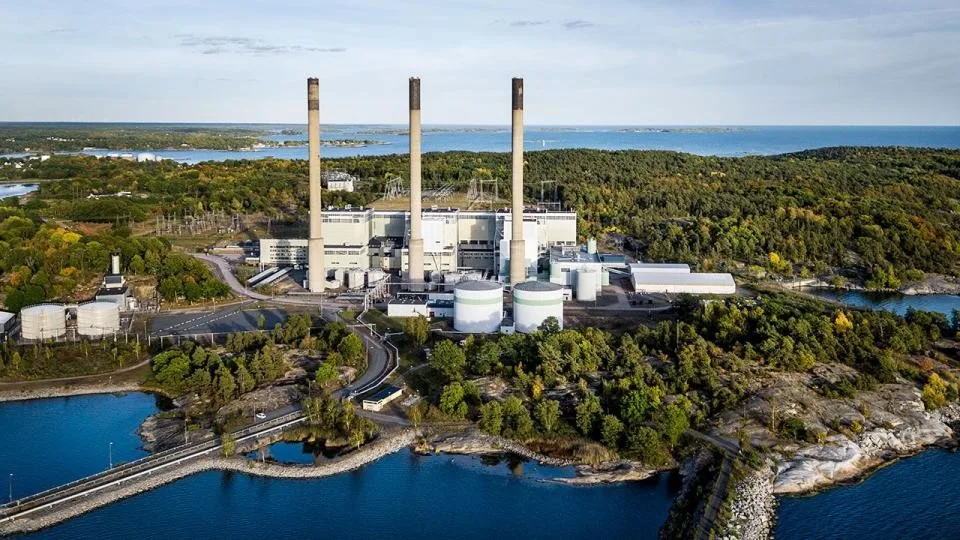
The rapid growth of artificial intelligence is driving an unprecedented demand for power infrastructure, with global data center electricity needs expected to soar to nearly 1,000 terawatt-hours by 2030—matching the yearly consumption of a major industrialized nation. This surge places energy availability at the center of a $7 trillion AI infrastructure race, where access to cheap, reliable electricity determines which projects succeed or fail.
While much attention focuses on AI software and semiconductor innovation, the energy behind these systems is emerging as the biggest constraint. More than 70% of data center interconnection requests are withdrawn before completion, underscoring the difficulty of securing power amid swelling demand. Companies that control large-scale, low-cost electricity supplies are gaining a crucial competitive edge.

One example is Bitzero, a Canadian firm shifting from bitcoin mining to acting as a power provider to the AI data center industry. With over a gigawatt of electricity contracted across Norway, Finland, and the United States, Bitzero recently secured a 15-year lease agreement to deliver power to AI infrastructure, signaling a strategic pivot toward the energy needs underpinning AI’s growth.
Industry giants are planning massive capital expenditures to scale their AI operations, with Amazon, Microsoft, Alphabet, and Meta collectively expected to spend more than $700 billion on data centers, chips, power systems, and related infrastructure this year. Cisco-backed research firm McKinsey projects that over $5 trillion will be invested in AI infrastructure throughout this decade, funding everything from land acquisition to electrical substations.
The pressure to develop new power capacity is not merely technical but economic. As more projects stall or fail due to power shortages, companies with secured megawatt-scale electricity supplies can dominate deployment schedules and market share. The exponential growth of AI applications thus turns the energy sector into a critical battleground, reshaping investment priorities toward long-term electricity solutions that can support this technological revolution.