

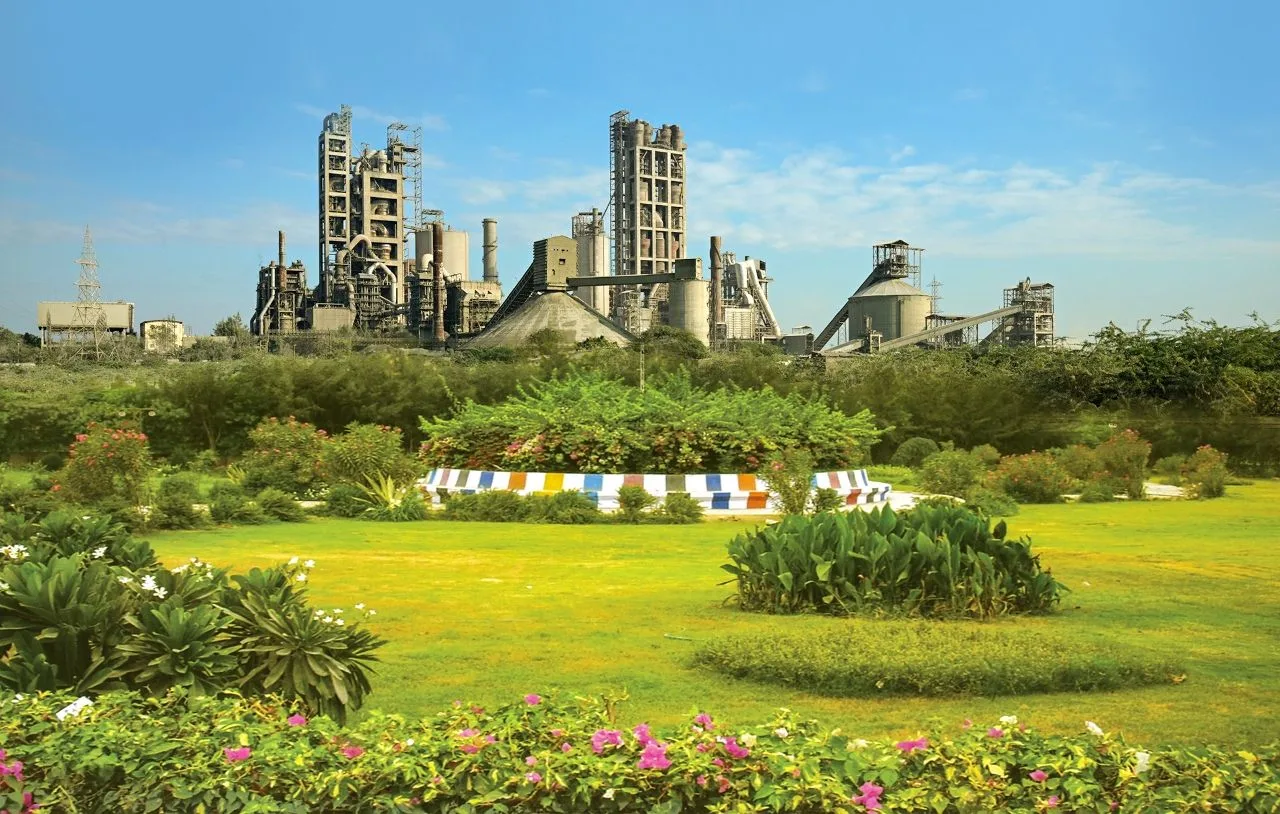
Ambuja Cements has launched a pioneering partnership with UK-based clean technology company Leilac Limited to develop one of the world’s largest commercial-scale projects for low-carbon cement production. The pilot project will take place at Ambuja’s Sanghi plant in Sanghipuram, Gujarat, and focuses on integrating advanced carbon capture and electric heating technologies to dramatically reduce emissions.
If successful, this initiative could expand significantly—potentially scaling up seven to eight times—and capture over one million tonnes of carbon dioxide annually. Such an achievement would mark a critical step toward establishing a replicable, cost-effective pathway for sustainable cement manufacturing in India and globally.

The technology at the core of this collaboration centers on Leilac’s innovative carbon capture process combined with hybrid electric heating. This approach aims to cut process-related emissions while enabling full elimination of coal use, with flexible support for alternative fuels. This aligns closely with Ambuja Cements’ strategic goal of decarbonizing its operations and meeting its Science Based Targets initiative (SBTi)-validated net zero commitment by 2050.
Ambuja Cements, part of the Adani Group, already operates a cement manufacturing network among the world’s largest and most advanced. To support sustainability, the company is gradually electrifying its production while increasing reliance on renewable electricity, supported by nearly 1 gigawatt of captive green power capacity. The partnership with Leilac forms a crucial part of this broader effort to transform traditional cement production methods.
Leilac’s CEO highlighted the potential of the project to deliver a commercially viable, scalable, and future-proof solution for the industry. The collaboration is expected not only to reduce emissions but also to enhance the economics of carbon capture, making large-scale deployment of such technologies more feasible worldwide.
This initiative underscores growing industry moves toward innovation and collaboration to achieve low-carbon industrial processes. By demonstrating carbon capture’s practical integration into cement production, the project could inspire wider adoption of clean technologies across the sector.