

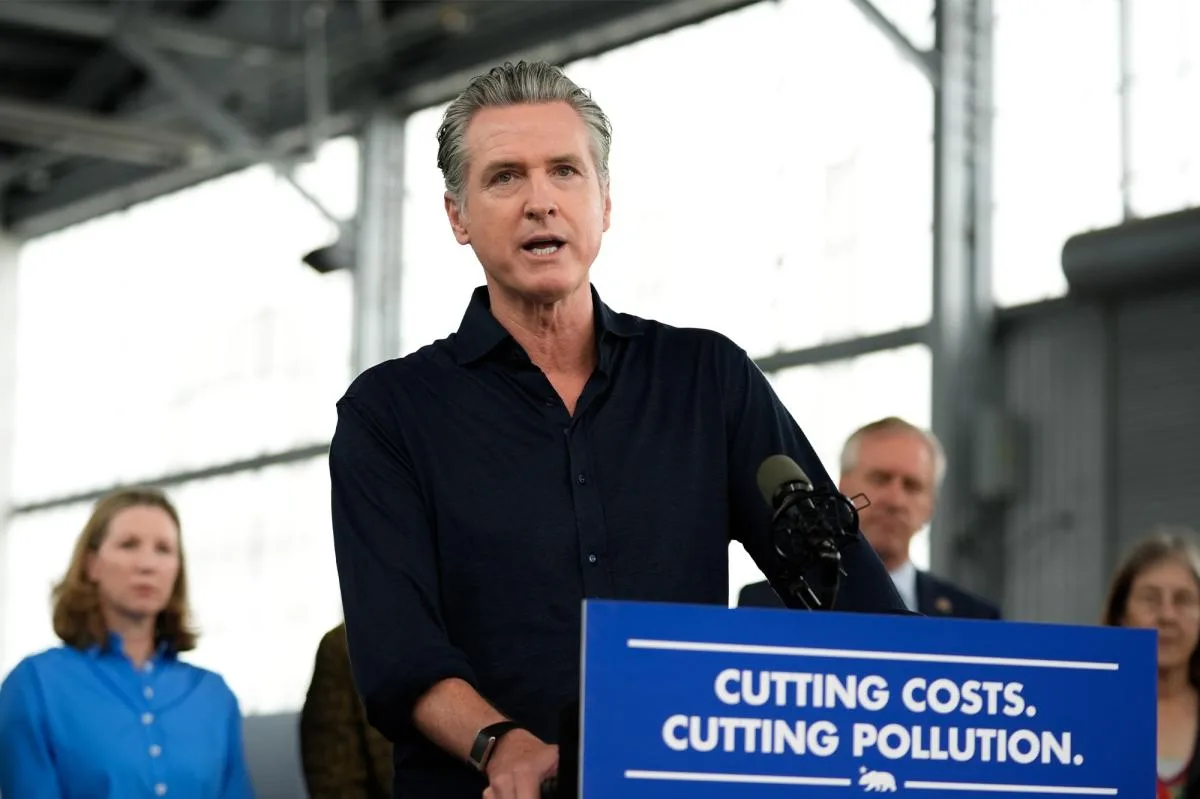
California has introduced a new $3,500 rebate aimed at first-time buyers of electric vehicles priced under $50,000 new or $25,000 used, marking another significant state-funded subsidy. This initiative, known as “MyFirstEV,” channels roughly $135 million of taxpayer money into reducing electric vehicle (EV) costs, despite widespread concerns about other pressing challenges facing residents.
The rebate targets a narrow segment of consumers who can afford the upfront price of EVs but does not address broader affordability issues, such as the cost of insurance and installation of home chargers. Many renters and middle- to low-income families remain excluded, making the program a selective benefit funded by the state’s broad tax base. Meanwhile, critical problems like housing affordability, growing homelessness, persistent wildfires, and deteriorating infrastructure continue unresolved.

Supporters of the rebate argue it stands as a countermeasure to recent federal tax credit reductions for EVs. Governor Gavin Newsom has positioned the program as a progressive move to maintain California’s leadership on clean transportation, framing it as resistance to federal cuts. However, detractors highlight that the financial burden ultimately falls squarely on California taxpayers, fueling debate on the state’s fiscal priorities.
The timing raises questions about the effectiveness of this investment. After the federal EV tax credits ended in 2025, sales slowed sharply nationwide. Major automakers, including Ford and GM, have responded by scaling back or delaying EV model production, signaling hesitancy in the market segment Newsom is now subsidizing with public funds. Industry pullback contrasts with the state’s increased spending, revealing a disconnect between policy goals and market realities.
Recent polling by the Public Policy Institute of California shows a significant shift in public opinion. The majority of adults and likely voters, including a growing share of Democrats, now oppose the state’s 2035 ban on new gasoline-powered cars. This reflects skepticism about the long-term sustainability and public support for aggressive EV mandates subsidized by taxpayers.
As California continues to allocate substantial resources toward EV incentives, critics argue the approach overlooks urgent social and economic issues. The rebate program, while symbolically reinforcing the state’s environmental ambitions, faces scrutiny for favoring a limited group of consumers while broader community needs remain unmet.