

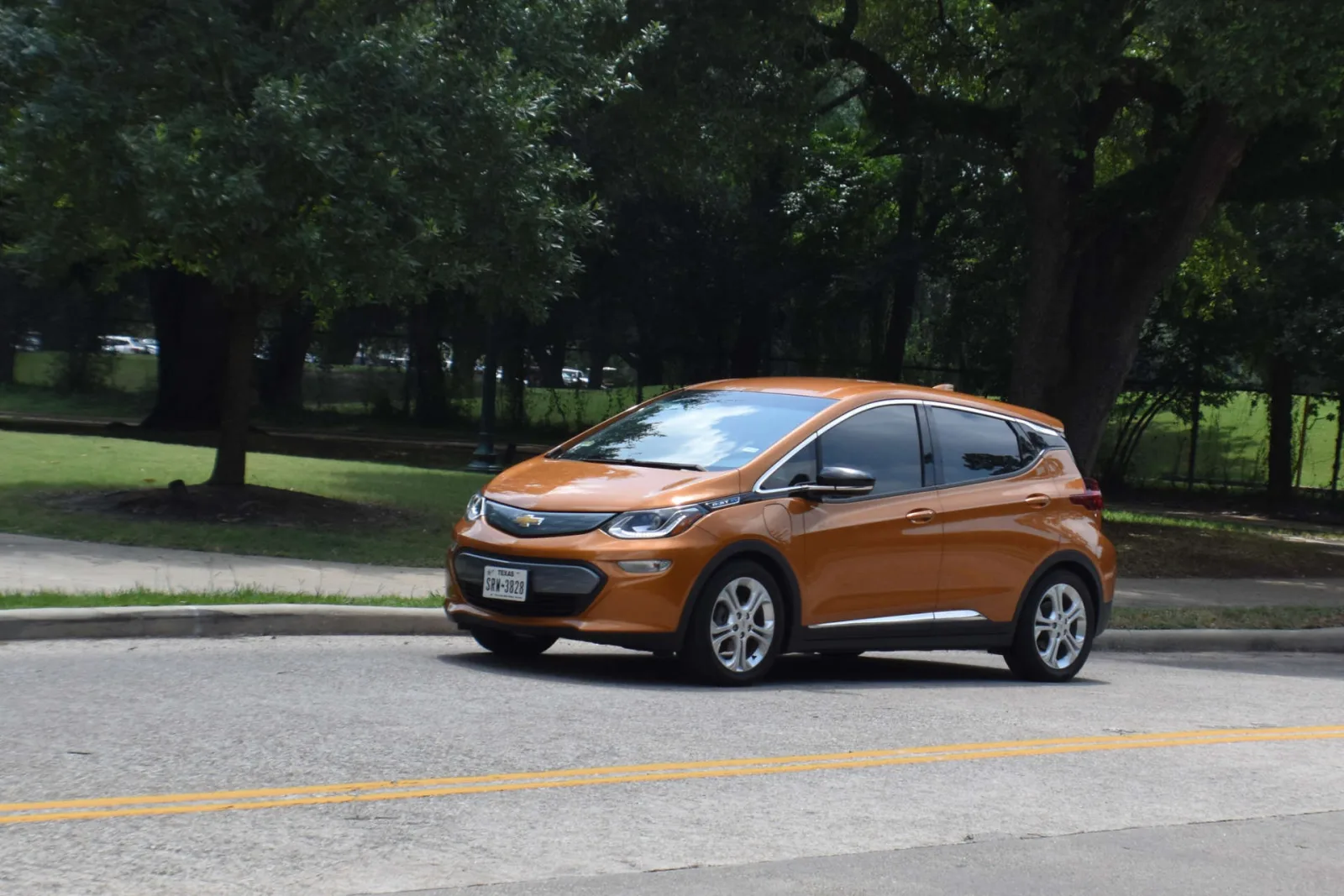
For drivers facing a daily roundtrip commute of around 150 miles, rising gasoline prices have significantly increased monthly fuel expenses, pushing some individuals to reconsider their reliance on traditional internal combustion engine vehicles. One commuter with access to free overnight charging at work reported monthly gas costs nearing $600, a steep financial burden exacerbated by persistent high fuel prices.
This scenario is prompting a growing number of long-distance drivers to evaluate electric vehicles (EVs) as a practical option. The availability of workplace charging infrastructure eases one of the main barriers to EV adoption, making the transition more accessible and appealing for those who travel long distances regularly.

Electric vehicles offer multiple advantages for commuters burdened by expensive fuel costs, including lower operating expenses tied to electricity rates and reduced maintenance compared to gasoline-powered cars. Drivers also cite the environmental benefits of EVs as an additional incentive.
However, switching to an electric vehicle involves considering factors such as vehicle range, charging frequency, and compatibility with daily routes. Many commuters living in regions with established charging networks and workplace amenities find EVs increasingly viable despite initial acquisition costs.
The surge in pump prices continues to impact long-distance commuters disproportionately, fueling interest in alternative transportation methods. Some drivers highlight that free or low-cost charging access during working hours notably shifts the economic calculus in favor of electric cars, making long commutes more financially sustainable.