

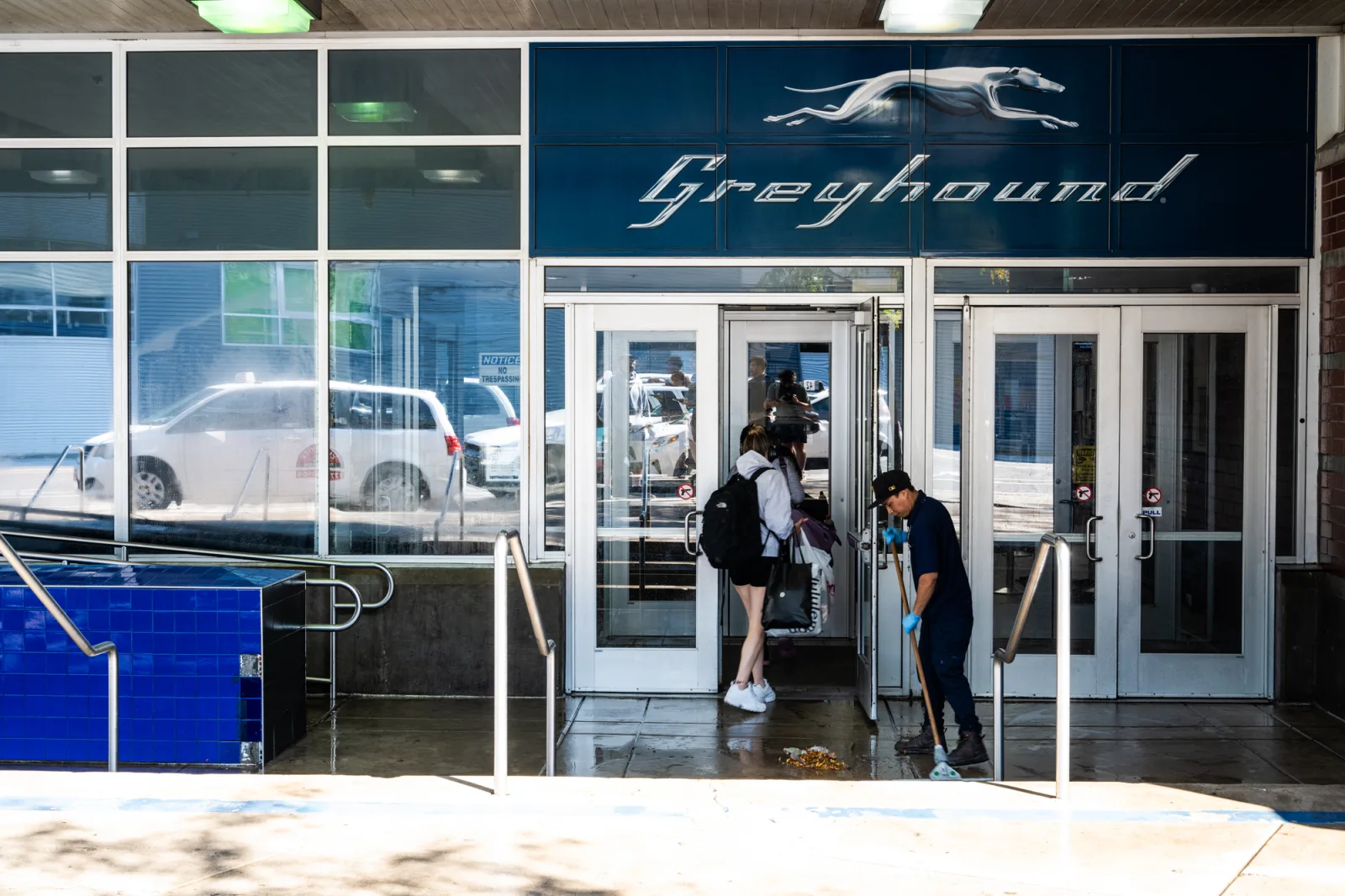
Chicago is preparing to acquire the Greyhound bus station at 630 W. Harrison Street in a $19.2 million transaction to safeguard vital intercity bus service that faces shutdown as soon as September. The move responds to growing concerns about the future of downtown bus transportation after the station’s long-term lease expired last year.
The city’s purchase, authorized through a recent ordinance submitted by Mayor Brandon Johnson, also expands the Canal/Congress Tax Increment Financing (TIF) district to cover the terminal. This adjustment allows TIF funds—allocated over the next two years—to support both the acquisition and planned improvements to the aging facility.

The Greyhound station has operated since the late 1980s and serves roughly half a million passengers annually. In addition to Greyhound, other carriers such as Barons, Burlington Trailways, and FlixBus use the terminal as their primary hub. These services are key for many Chicago residents, especially older adults, low-income individuals, people with disabilities, and those without access to personal vehicles.
Without this purchase, the bus terminal would likely close, forcing travelers to rely on curbside pickups. City officials have warned that curbside operations, which have struggled in other metropolitan areas, could be particularly impractical here given Chicago’s harsh winters. Losing the station would make Chicago unique among the world’s largest cities by lacking a dedicated intercity bus terminal, according to research from DePaul University’s Chaddick Institute.
The terminal has been operating on a month-to-month lease with Alden Global Capital, the property owner, increasing uncertainty about the station’s future. The city intends to manage the property under public ownership but does not plan to immediately assume daily operations. Plans also include expanding bus routes to additional cities and states, aiming to enhance regional connectivity.