

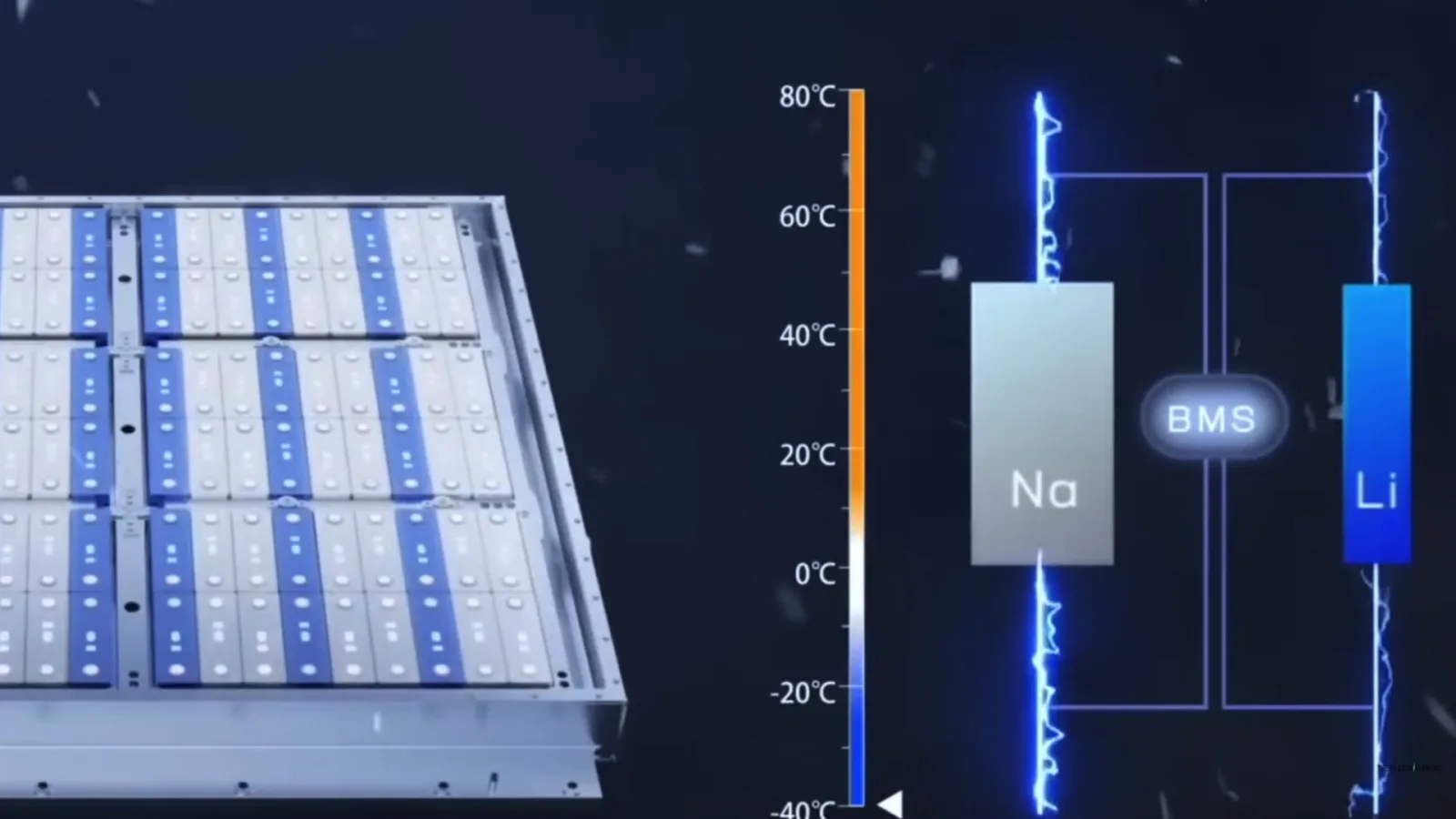
China has initiated the mass production of sodium-ion batteries for passenger electric vehicles, signaling a potential shift in the EV market as these batteries reach cost parity with traditional lithium-ion packs. Domestic companies CATL and Changan have already integrated sodium-ion cells into entry-level vehicles, combining affordability with competitive performance.
The newly deployed sodium-ion packs offer an energy density of around 175 watt-hours per kilogram (about 79.4 watt-hours per pound), enabling driving ranges near 250 miles (400 kilometers). These packs have cleared validation and entered full-scale production, with estimated costs comparable to the cheapest lithium iron phosphate batteries, hovering around 5 to 5.9 cents per watt-hour.

This development addresses a key challenge to wider EV adoption: battery expense. Sodium’s abundance relative to lithium reduces exposure to price spikes and geopolitical risks, potentially easing supply chain constraints. Aside from vehicles, lower-cost sodium-ion batteries could enhance grid resilience by making energy storage solutions more affordable for utilities, businesses, and communities vulnerable to extreme weather and power outages.
In addition to cost benefits, manufacturers emphasize sodium-ion batteries’ safety and cold-weather performance. These cells reportedly resist thermal runaway until temperatures exceed 392°F (200°C) and maintain over 90% capacity even at minus 4°F (minus 20°C), while operating reliably in extreme cold down to minus 40°F (minus 40°C).
China is aggressively expanding its sodium-ion battery production, with more than 40 projects underway despite current factory usage below 40%. This suggests capacity growth is outpacing immediate demand but signals confidence in the technology’s potential. Industry observers view sodium-ion as well-suited for lower-priced vehicles and grid storage rather than immediate lithium replacement, broadening the market’s energy storage options.