

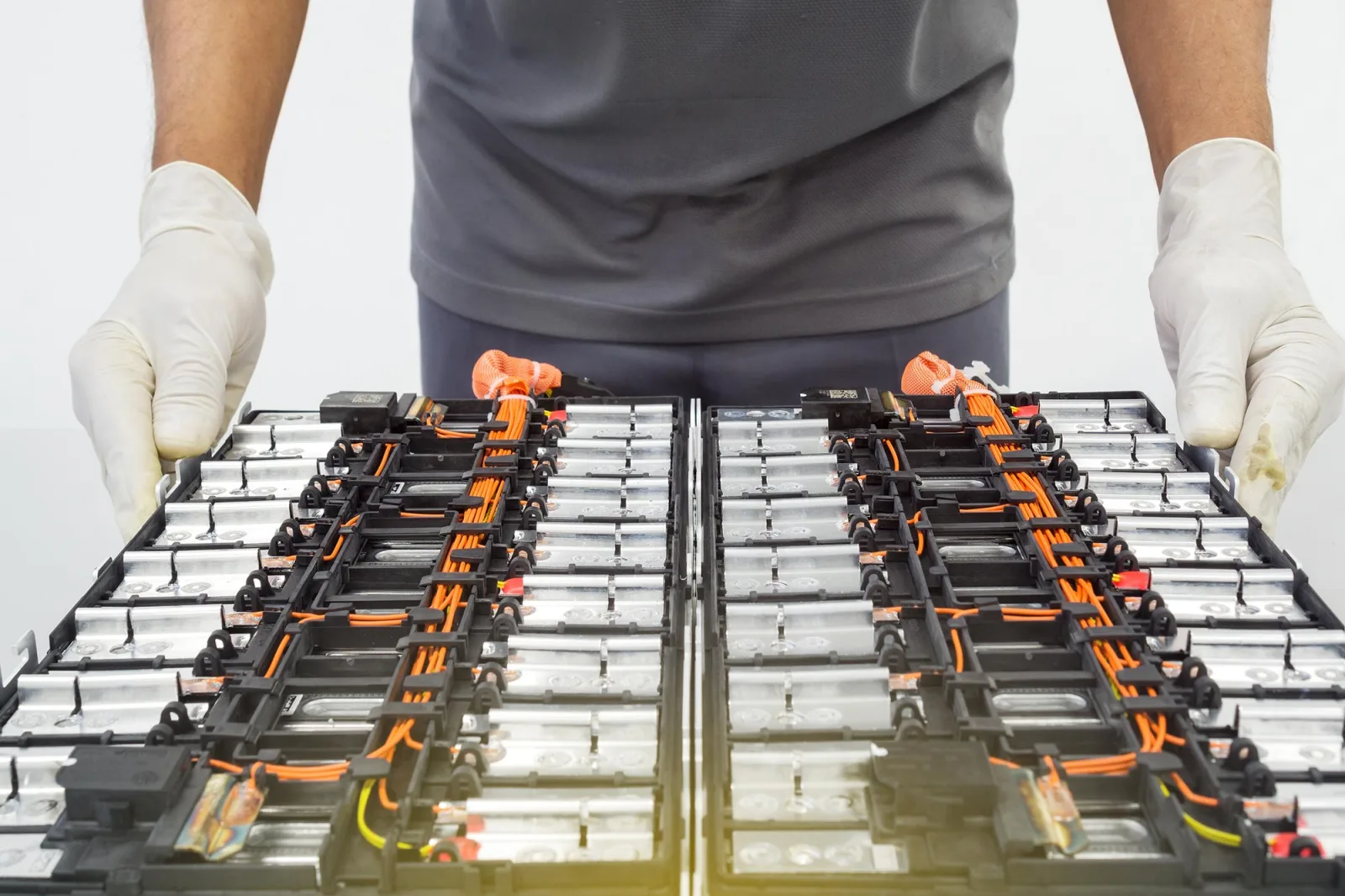
A Chinese-made sodium-ion battery, already used in electric vehicles and large-scale energy storage, has demonstrated manufacturing consistency and several performance metrics that rival those of Tesla’s lithium-ion batteries, according to new research. The study highlights the battery’s advanced design, signaling rapid progress in sodium-ion technology as a potential affordable substitute for lithium-ion cells.
Researchers tested 120 of these sodium-ion cells using impedance spectroscopy, a non-destructive technique that evaluates manufacturing uniformity. Their findings showed the cells exhibit a sophisticated architecture, including a tabless, double-aluminum current collector, which reduces electrical resistance and improves temperature management. This design closely mirrors that of Tesla’s batteries, making the sodium-ion cells notable for their consistent quality and power capabilities.

Tests covered a range of real-world conditions, including charging currents and temperatures spanning from −20 °C to 45 °C. The sodium-ion batteries performed well in terms of high power output, though they struggled with charging efficiency under low-temperature conditions. While energy density remains below that of current lithium-ion technology, researchers said the battery’s strengths make it suitable for stationary energy storage, grid services, and electric vehicles that prioritize cost and resource availability over maximum range.
This technology substitution is significant because sodium is far more abundant and less expensive than lithium, positioning sodium-ion batteries as a practical and scalable option for expanding electric mobility and energy storage infrastructure, especially where affordability is critical.