

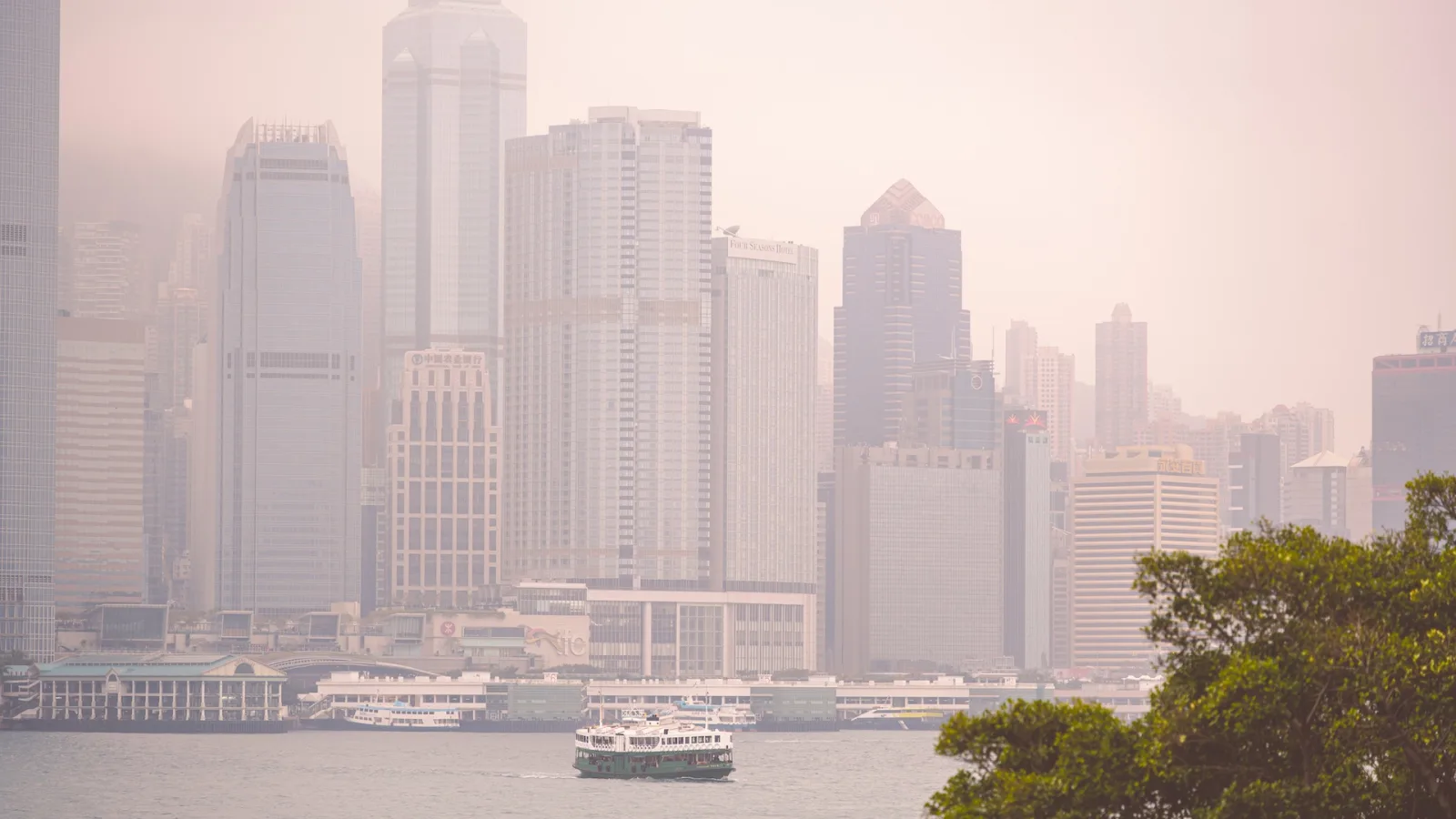
While initiatives to lower air pollution have improved public health by reducing harmful aerosols, emerging research reveals an unintended side effect: elevated summer temperatures in moisture-rich cities. A study by the University of Hong Kong highlights how cleaner air can lead to more intense heat waves, especially in regions with high humidity.
The research attributes this to the diminishing presence of aerosols—tiny particles that normally reflect sunlight back into the atmosphere. As aerosol levels drop, more solar radiation reaches city surfaces, raising temperatures. However, this effect varies significantly depending on local humidity and urban landscapes. In humid cities, urban surfaces like concrete reduce evaporative cooling, causing temperatures to climb faster than in surrounding rural areas, where vegetation thrives and helps moderate heat.

This enhanced urban heat island effect is most pronounced in parts of East Asia and Indonesia, where significant air quality improvements as part of China's Air Pollution Prevention and Control Action Plan have coincided with rising city temperatures during warm seasons. The study’s global climate simulations show that this pattern is not unique to China but likely applies to other humid regions worldwide as aerosol pollution is curbed.
The implications of rising urban temperatures are serious. Increased heat raises cooling costs, exacerbates heat stress, and poses greater health risks for vulnerable populations, including outdoor workers and residents without reliable air conditioning—especially in densely populated areas. The findings indicate a complex policy balance: while cleaning the air remains essential to prevent respiratory and cardiovascular illnesses, it must be paired with urban heat mitigation strategies in humid climates.
Possible measures include expanding urban tree coverage, implementing reflective or green roofing, designing shaded streets, and promoting building techniques that reduce heat absorption. Importantly, dry regions show different responses to reductions in aerosol pollution, underscoring the necessity to tailor policies according to local climate conditions.
This study spotlights a critical, often overlooked conflict between air quality improvement and urban heat management. It calls for integrated approaches that address both issues simultaneously to protect public health and enhance climate resilience in rapidly urbanizing, humid environments.