

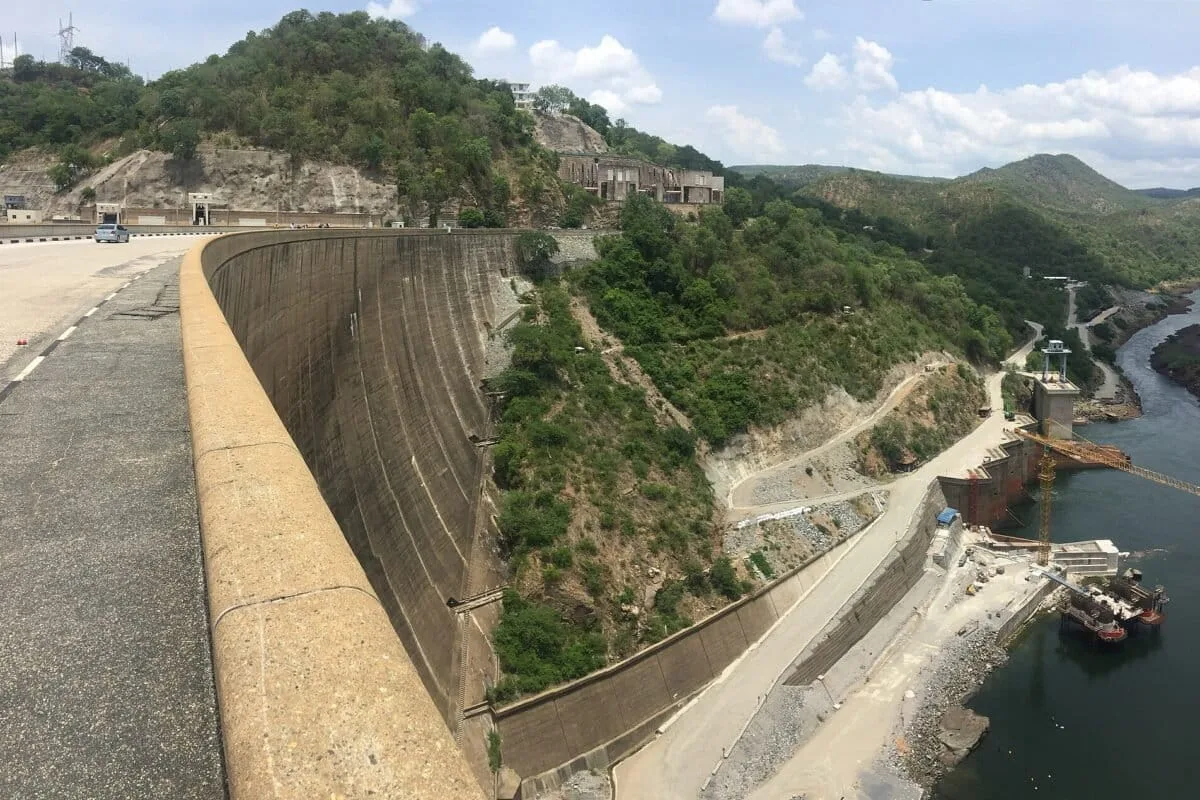
Zambia and Zimbabwe, long dependent on hydropower for the majority of their electricity, face critical power shortages after successive droughts lowered water levels in Lake Kariba, a key hydroelectric reservoir. These disrupted supplies have revived interest in coal-fired power as a seemingly faster way to stabilize electricity grids and support industrial growth.
Over 80 percent of Zambia’s electricity and nearly half of Zimbabwe’s came from hydropower in recent years. However, El Niño-driven droughts during 2023–2024 sharply reduced hydropower generation, culminating in one of Southern Africa’s most serious energy crises in decades. In response, coal power proposals surged, with the two countries accounting for over two-thirds of new coal projects announced in Africa in 2025, according to the Global Energy Monitor.

Zambia and Zimbabwe’s energy systems underpin critical sectors such as mining and urban services, intensifying pressure to secure reliable power. Proponents argue coal offers a quick industrial lifeline, particularly for mining-heavy economies craving steady electricity to maintain and expand operations.
Yet the coal comeback presents a conflict with international climate goals. Expanding coal capacity risks locking these nations into long-term carbon emissions, potentially undermining commitments under the Paris Agreement. Moreover, future trade regulations that internalize the cost of carbon could erode the export competitiveness of coal-dependent industries.
Zimbabwe’s historical reliance on coal partly explains its current openness to coal projects. The country hosts major coal mines and large industrial plants, including Chinese-backed steel manufacturing, that depend heavily on coal. National policy reflects a pragmatic stance that “all energy is good energy” to meet rapid industrialization demands.
Meanwhile, an alternative energy shift is gaining momentum at grassroots levels. In Zimbabwe, growing numbers of households and businesses are investing in rooftop solar installations to counter unreliable grid power. Solar energy’s falling costs make it an increasingly viable solution for decentralized, climate-resilient electricity access.
Despite the practical advantages of solar and other renewables, energy transitions face hurdles. Limited access to financing and policies still favoring fossil fuels slow down broader adoption of cleaner technologies across Southern Africa. This policy environment leaves hydropower’s vulnerability exposed and the coal debate unresolved, highlighting the region’s complex energy dilemma amid climate change pressures.