

South America’s cloud forests face an alarming threat as climate change is projected to eliminate the vast majority of these ecosystems by 2070 if greenhouse gas emissions remain high. These forests, crucial for biodiversity and fresh water, could shrink dramatically, with potentially catastrophic effects on the environment and human populations downstream.
The latest research, published in the Journal for Nature Conservation, forecasts that under a high-emissions climate scenario, as much as 91% of cloud forest area could vanish. Even the most optimistic scenario predicts significant loss, estimating a 12% decline—equivalent to an expanse the size of a small country. Only a fraction of these forests currently lies within protected zones, but legal safeguards alone may prove insufficient as rising temperatures and drier conditions make cloud forests unable to survive in their existing habitats.

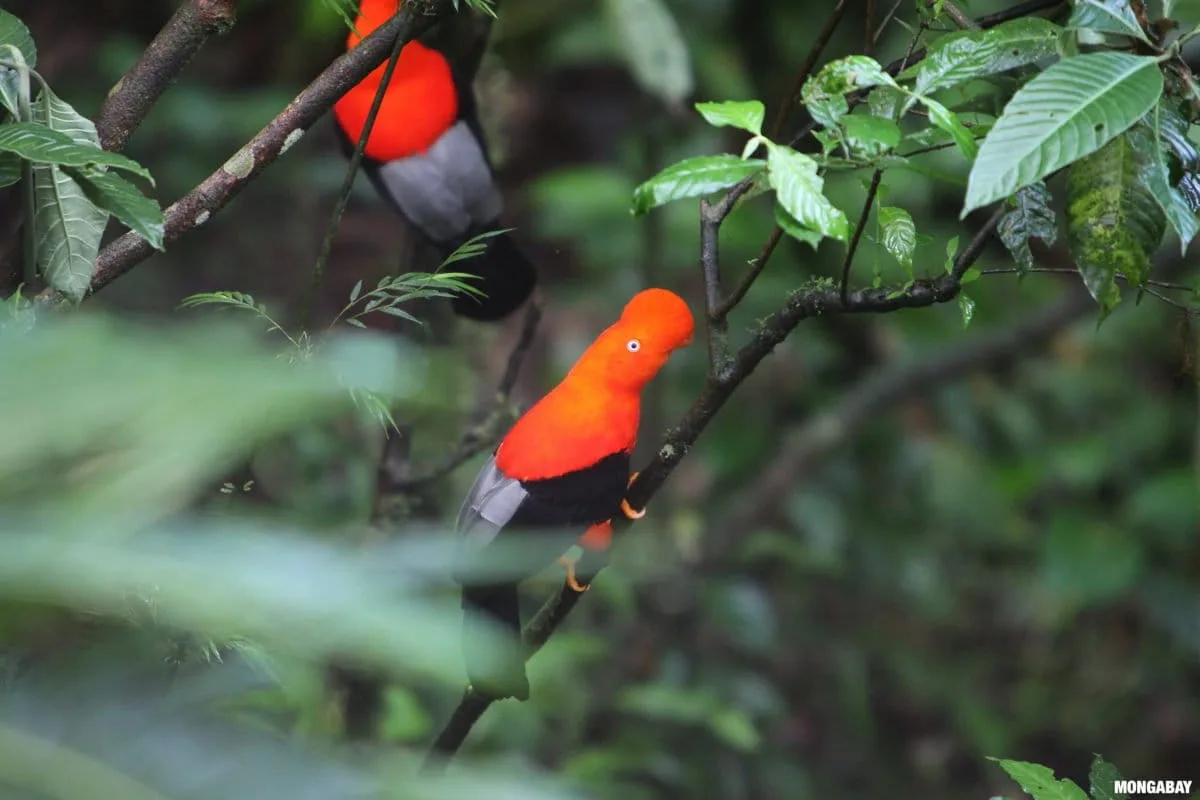
Cloud forests typically exist in a narrow altitude range between 1,000 and 3,000 meters, where persistent fog, cool air, and high humidity create unique conditions supporting diverse species not found anywhere else on Earth. These include nearly 2,000 species with restricted ranges, such as the vividly plumed Andean cock-of-the-rock, the critically endangered yellow-tailed woolly monkey, and fragile glass frogs. As global temperatures rise, the cloud layer moves higher on mountain slopes, shrinking the habitable zone for these species and fragmenting their populations. Those confined to mountain summits face extinction with no higher ground to retreat to.
Beyond biodiversity, cloud forests play a vital role in water regulation by capturing moisture from fog and sustaining streams that supply drinking water to around 16 million people. Their loss threatens this essential resource. Scientists emphasize that addressing this crisis requires aggressive reduction of greenhouse gas emissions alongside enhanced forest protection measures. Incentives to encourage conservation and restoration on private and community lands might help secure pockets of cloud forest in zones projected to remain climatically suitable.
Without urgent intervention, the decline of South America’s cloud forests would compromise both ecological richness and human well-being, underscoring the interconnected nature of climate, habitat, and water security.