

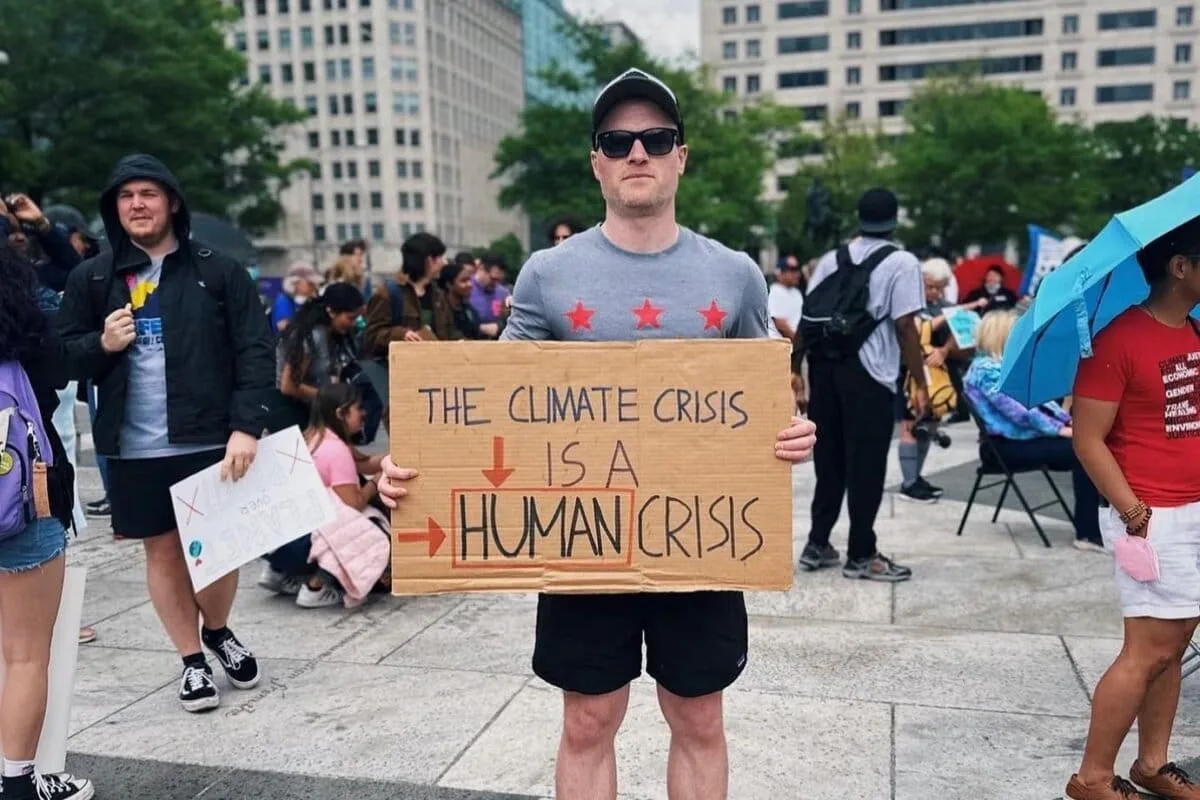
Despite robust scientific consensus confirming human activity as the driver of climate change, translating this knowledge into effective political action remains a significant hurdle. Political polarization and widespread misinformation have slowed progress, especially in the United States where climate change is a divisive topic. A new book by Will Hackman, a climate advocate and political strategist, addresses this challenge by proposing a fresh approach to climate communication that emphasizes everyday concerns over abstract environmental crises.
Hackman critiques conventional climate messaging, which often relies on fear, guilt, and alarming imagery such as melting glaciers and polar bears. While these messages resonate with audiences already engaged with climate issues, they fail to reach those who are skeptical, cautious, or disinterested. According to Hackman, the climate movement has largely spoken to its converted, neglecting the broader public whose support is essential for meaningful political gains.

Drawing on insights such as those from the Yale Program on Climate Change Communication, which identifies distinct audience segments varying in concern and awareness, Hackman stresses the need to design messages tailored to different groups. For individuals who are doubtful or disconnected, climate communication should avoid apocalyptic tones and instead focus on direct impacts related to health, safety, economic costs, and community wellbeing. By reframing climate issues within a context that connects to people’s daily lives, the movement could cultivate a broader and more hopeful constituency.
Hackman also highlights that the barriers to climate action are not solely scientific or technological but deeply political and cultural. The persistent division in political attitudes toward climate change, particularly between Democrats and Republicans in the U.S., necessitates communication strategies that bridge ideological gaps rather than deepen them. His book argues that refining how climate science is communicated can empower grassroots activism and foster bipartisan support, essentials for advancing policy solutions.