

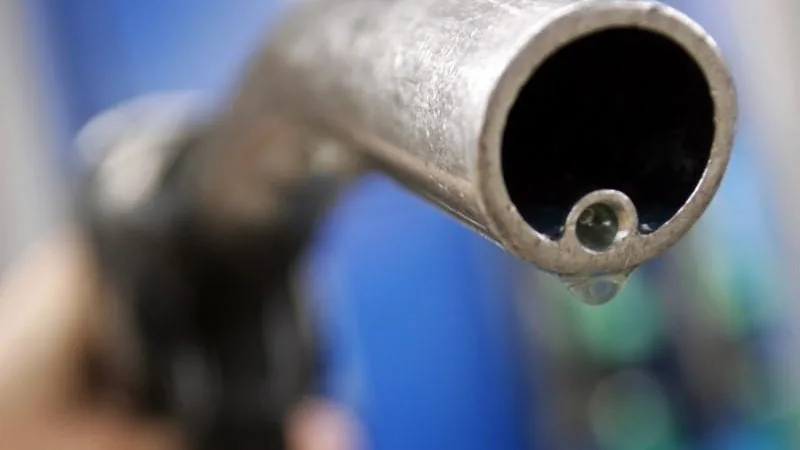
The Justice Department and Federal Trade Commission have formally called on state attorneys general to enforce fuel price-gouging laws as oil prices fluctuate. This coordinated push follows a directive from President Donald Trump to investigate suspicious gasoline price hikes, emphasizing that market turbulence cannot serve as a shield for illegal pricing practices.
In a letter distributed to states, the federal agencies underscored their commitment to monitoring the oil sector for signs of price-fixing or monopolistic behavior. They stressed that neither antitrust statutes nor state consumer protection laws are suspended amid crude oil price swings. The agencies encouraged states to scrutinize fuel suppliers and retailers for potential violations of emergency pricing laws within their jurisdictions.

While the Justice Department and FTC cannot enforce state price-gouging statutes directly, they urged legal authorities to use their powers against any unfair acts that harm consumers. The letter reminded businesses that volatility in crude oil markets does not excuse collusion or price manipulation.
This federal stance coincides with a notable drop in crude oil prices after earlier spring peaks, partly due to resumed tanker traffic through the Strait of Hormuz. Brent crude prices have declined toward pre-conflict levels, and West Texas Intermediate crude has fallen below $70 per barrel. Despite this, retail gasoline prices have declined more slowly, a pattern that has drawn public criticism from the President, who called on major oil companies and gas retailers to reduce pump prices immediately.
The petroleum industry has responded by pointing out that gasoline prices do not move in direct correlation with crude prices. They note that refining expenses, transportation, taxes, wholesale inventories, and regional competition all shape pump price fluctuations.