

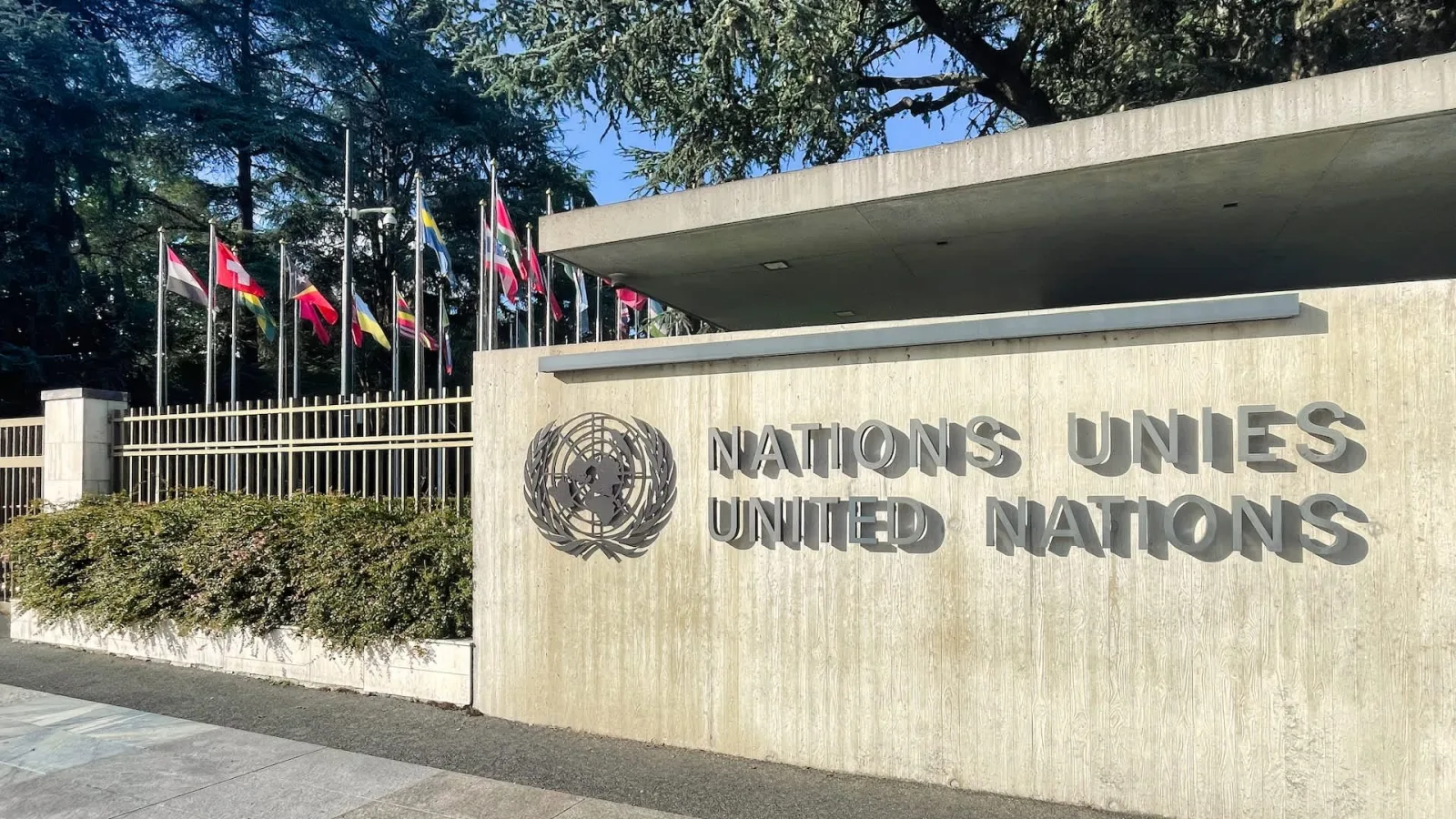
The European Union’s leading climate commissioner delivered a blunt assessment of recent United Nations climate negotiations, describing the outcomes as “underwhelming” compared to the scale of the climate emergency. Addressing a Brussels gathering, he highlighted a significant gap between what climate science insists is needed and what the annual Conferences of the Parties (COP) have achieved over the past several years.
Wopke Hoekstra emphasized that although the COP process remains crucial, it suffers from slow decision-making due to its consensus-driven format involving nearly 200 countries. This structure, meant to keep all nations engaged, often results in diluted agreements that fall short on ambitious actions to combat global warming. He suggested smaller groups of countries could act more swiftly on clean energy, pollution cuts, and resilience strategies.

The disconnect between climate policies and scientific recommendations is not abstract; it manifests in the intensification of heat waves, floods, droughts, and economic pressures on households worldwide. Vulnerable and low-income communities bear the brunt of delayed action, with growing risks to food security and rising living costs. Amid these challenges, the debate intensifies on whether to wait for global consensus or empower willing countries to accelerate efforts independently.
While Hoekstra did not call for scrapping the COP framework, his remarks reflect mounting frustration within international climate circles about the pace of negotiations in addressing a rapidly intensifying crisis. Researchers and climate advocates agree stronger, faster measures are indispensable to limit damage and reduce the future costs of inaction.