

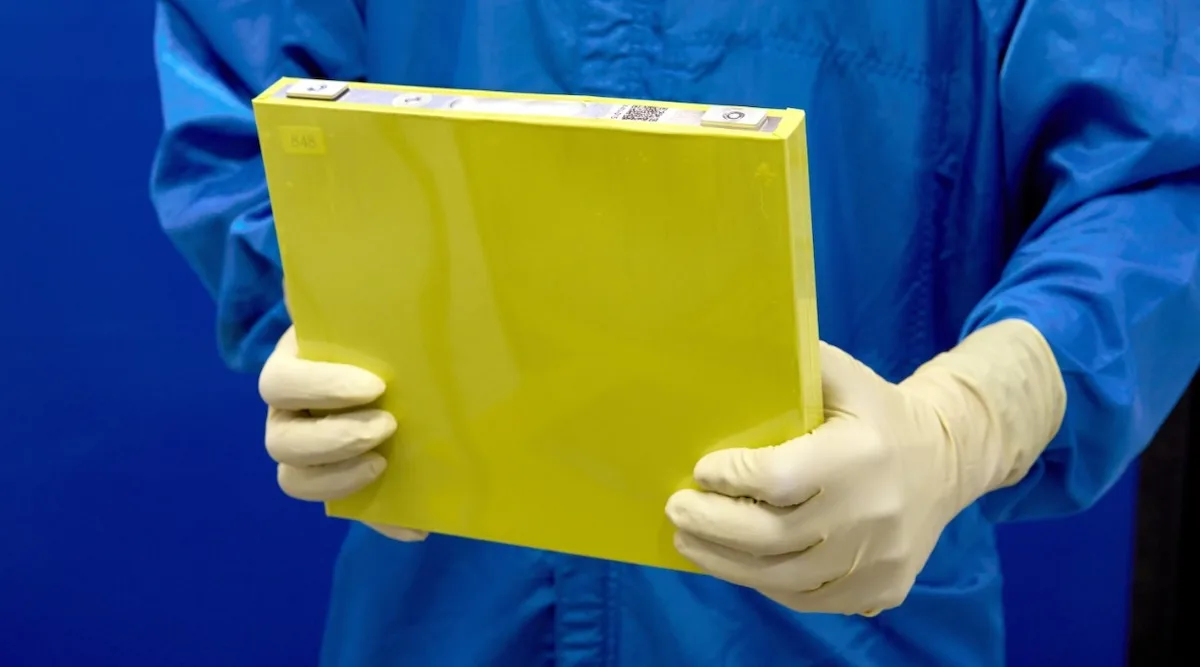
General Motors is progressing toward large-scale manufacturing of electric vehicle batteries featuring a lithium-manganese-rich (LMR) chemistry designed to improve driving range and reduce production costs. This breakthrough technology aims to make EVs more accessible by offering higher energy density and better performance without relying on expensive materials.
The LMR battery technology distinguishes itself through its unique composition, which enhances battery stability and longevity while using more abundant and less costly raw materials. This approach contrasts with traditional lithium-ion batteries that depend heavily on cobalt and nickel, metals subject to supply constraints and price volatility.

GM’s commitment comes amid evolving federal energy policies that have introduced uncertainties in the EV market. Despite these shifts, the company’s focus remains on innovating battery chemistry to accelerate EV adoption. Early tests indicate the LMR batteries could provide longer range per charge, faster charging times, and improved thermal management, key factors in consumer acceptance.
This battery technology also aligns with global sustainability goals by reducing reliance on critical minerals with significant environmental and ethical concerns. By optimizing the manganese-rich formula, GM seeks to balance performance, cost, and environmental impact.
The production timeline targets integration into upcoming EV models, positioning GM to maintain competitiveness in a rapidly transitioning automotive landscape. While specific rollout dates and vehicle models remain undisclosed, industry analysts view this move as pivotal in the race for next-generation battery systems.
The shift toward LMR batteries reflects broader trends in the electric mobility sector, where manufacturers explore diverse chemistries—such as solid-state and lithium-iron phosphate—to address the challenges of supply chain dependencies and total cost of ownership.
Though the federal government’s energy policies continue to evolve, GM’s strategic push into LMR battery technology may influence policy frameworks and investment priorities in support of more sustainable, affordable EV solutions.