

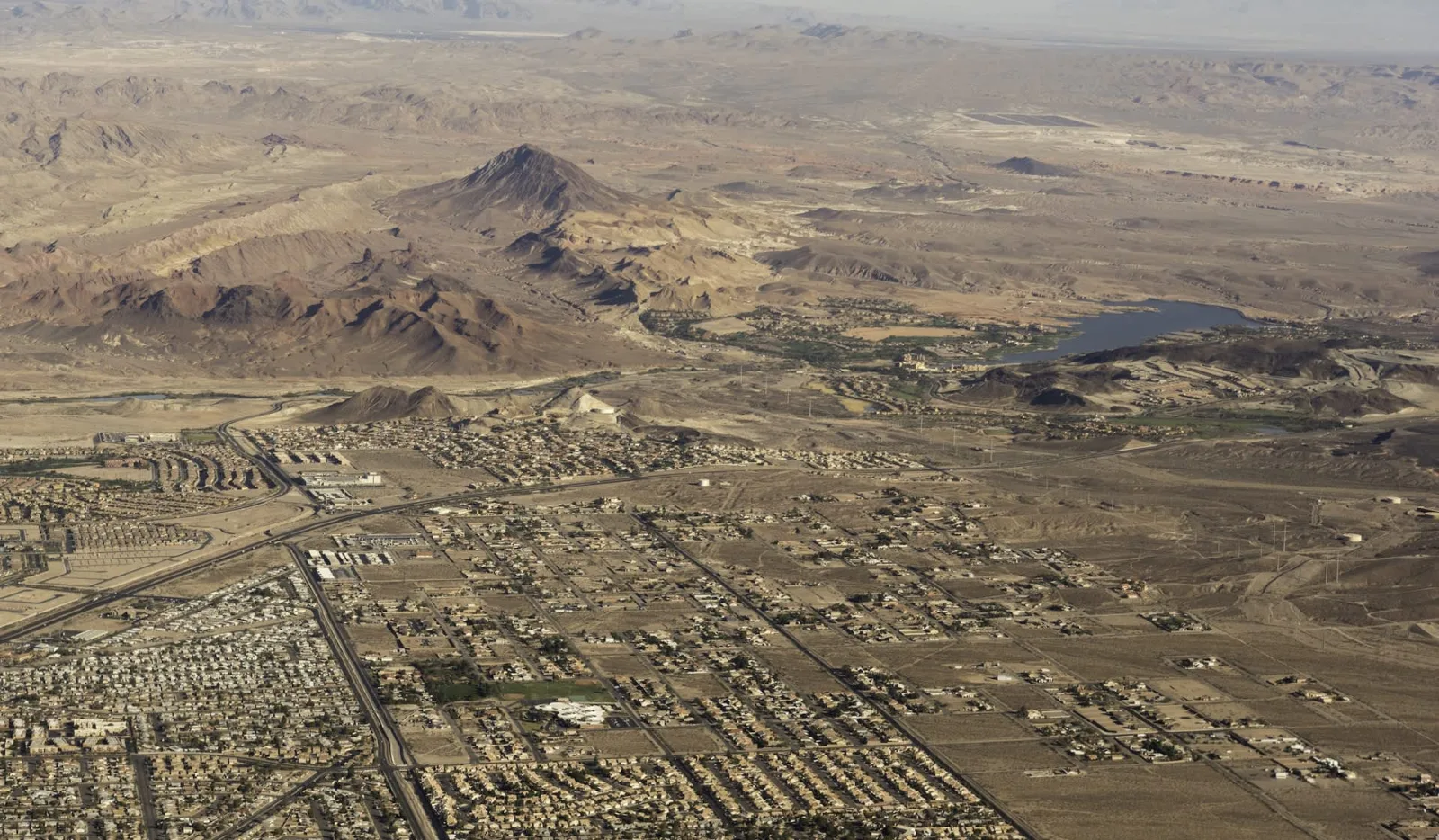
Henderson, Nevada, is proposing a temporary halt on accepting conditional use permit applications for new data centers as part of a comprehensive review of their effects on local infrastructure and neighborhoods. This pause could last up to 180 days unless the city enacts updated regulations sooner, reflecting growing concerns about the strain these facilities place on power, water, and air quality.
The city council initially scheduled discussion of the moratorium for mid-June, but it is now expected to be reconsidered at a late July meeting after staff requested more time to evaluate the potential consequences. Officials aim to examine issues including electricity demand, heat generation, noise, environmental impact, and compatibility with nearby residential areas before approving additional projects. Henderson currently hosts only one operating data center located at a Google campus.

This move follows similar action from nearby Reno, which recently extended its existing moratorium on new data center permits until new policies are formalized or until August 2027. Data centers are known for their heavy electricity consumption and need for significant water volume to cool servers, challenges that Southern Nevada’s hot, dry climate exacerbates. While these facilities contribute to job creation and tax revenue, local authorities stress the necessity of balancing growth with sustainable resource management.
Henderson’s mayor has emphasized that the proposed pause is intended as a fact-finding step rather than a permanent ban. The city seeks to gather more detailed information and community feedback before moving forward with development. Officials recognize that current local regulations already address some concerns, such as noise levels and water use, but believe a deeper analysis is needed given the unique demands of AI-powered data centers and their increasing prevalence.
Artificial intelligence-driven technologies, while capable of improving energy grid efficiency and integrating renewable sources, simultaneously require vast amounts of electricity to operate. This dual nature intensifies the debate over how to support digital infrastructure expansion while mitigating environmental and social impacts in regions with limited natural resources.