

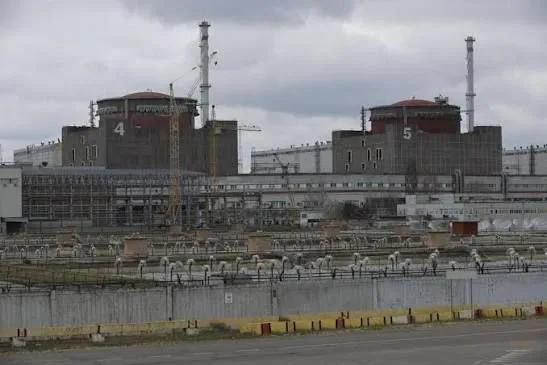
The Zaporizhzhia Nuclear Power Plant (ZNPP) recently lost its external power supply for the 21st time since the outbreak of the conflict in Ukraine, underscoring persistent threats to its operational safety. This latest outage occurred when the plant lost connection to the 330 kV Ferosplavna-1 transmission line, a critical source of off-site electricity.
Military activity near the plant triggered automatic shutdowns of electrical systems connected to the transmission line, according to the International Atomic Energy Agency (IAEA) team stationed on site. Immediately following the power loss, emergency diesel generators engaged to maintain power for essential functions, including the reactor cooling systems vital to preventing a nuclear accident.

Such recurrent interruptions reveal the fragile safety conditions faced by one of Europe’s largest nuclear power plants. The IAEA’s Director General emphasized that the incidents demonstrate a pressing need for all parties to exercise extreme caution and military restraint to avoid compromising nuclear safety.
Adding to the plant’s risks, a recent drone attack caused significant damage to a fire station in Enerhodar, the nearby city, crucial for supporting the plant’s emergency response efforts. The attack impaired firefighting vehicles and infrastructure, severely reducing the station’s ability to assist in large-scale emergencies at the facility.
During a visit days before the outage, IAEA inspectors documented the extensive deterioration of the fire station’s operational capacity. This facility serves as an important backup to the plant’s internal fire brigade, highlighting the wider impact such assaults have on emergency preparedness around the nuclear site.
The IAEA stressed that any action hindering nuclear safety and emergency readiness is unacceptable given the potentially catastrophic consequences. The repeated loss of off-site power combined with damages to emergency support infrastructure illustrates the vulnerable state of nuclear oversight amid ongoing conflict-related disruptions.