

Residents in Hancock County, Kentucky, are voicing strong opposition to a proposed AI data center, warning that it could cause household electricity bills to soar past $1,000 during summer months. At a public hearing, local residents expressed frustration over climbing energy costs and a lack of transparency surrounding the project.
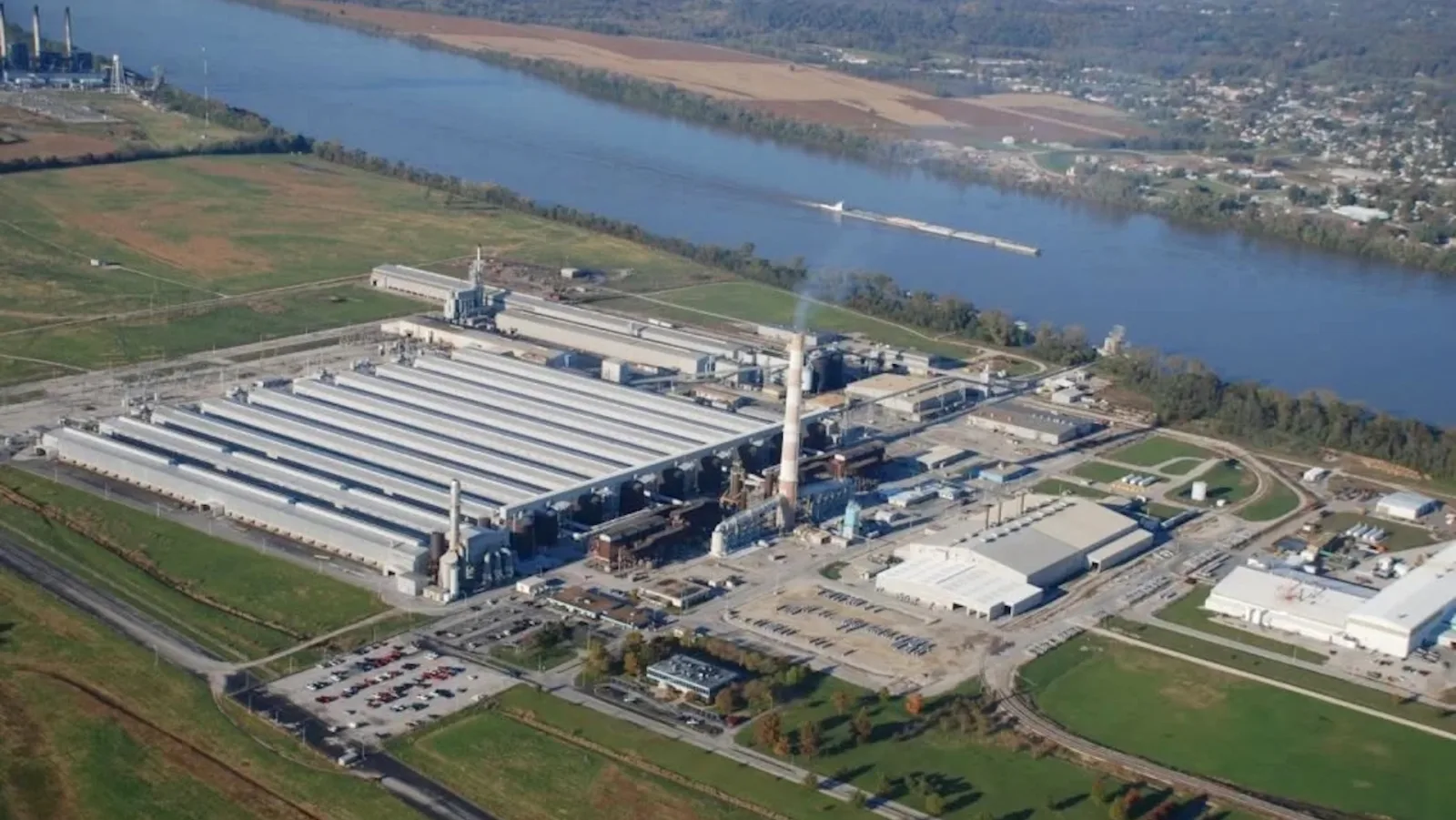
The proposed facility, known as the Justified Data Campus, is planned by Maryland-based TeraWulf on the site of a former aluminum smelter in Hawesville. It aims to serve AI company Anthropic under a 20-year lease, drawing nearly 500 megawatts from the regional electrical grid. While developers highlight potential job creation and millions in school tax revenue, residents remain concerned about the financial and environmental impacts.

Electricity costs in the area are already rising sharply. Local utility Kenergy customers saw average monthly bills exceed $260 in July, marking an increase of nearly 40% compared to two years prior—far above the statewide average increase. This surge fuels fears that servicing the energy demands of large data centers will push rates even higher for residential consumers.
TeraWulf’s CEO cited Kentucky’s robust power infrastructure and favorable business environment in pitching the state as an ideal location for data center investment. However, some experts question the company's assurances that ratepayers would not bear the facility’s electricity costs. Industry analysts note that new data centers require significant upgrades in power generation and transmission, which typically lead to higher utility rates in affected communities.
Beyond financial concerns, the scale of electricity and water consumption necessary for such data centers raises questions about their impact on local infrastructure and resources. As data centers expand to meet growing AI demands, communities grapple with balancing economic development against rising costs and environmental pressures.
In addition to Hancock County, TeraWulf recently announced plans for another data campus in Ashland, Kentucky, pointing to continued expansion in the region. The ongoing tension between economic promises and community concerns highlights a complex debate over the future of energy-intensive technology investments in rural areas.