

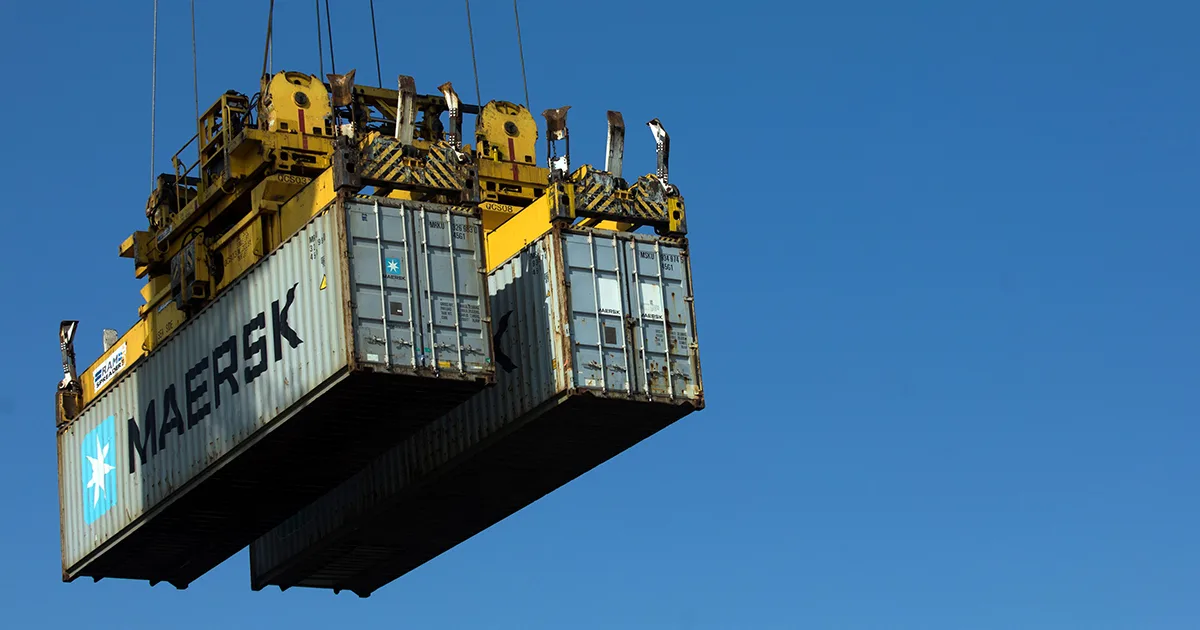
A. P. Moller-Maersk A/S is facing a significant surge in operating expenses driven by higher oil prices linked to the ongoing conflict in Iran. The company’s CEO, Vincent Clerc, revealed that these increased costs add approximately $500 million monthly, prompting the world’s second-largest container shipping firm to pass these charges in full to its customers.
Despite the financial pressure, Maersk remains confident in maintaining its current financial outlook for the year. Clerc noted that they have successfully transferred elevated costs to customers so far and expect to continue this trend in the coming quarters. However, longer-term demand beyond mid-year carries uncertainty, heavily influenced by how the Iran war unfolds and sustained energy prices.

The conflict, which escalated with U.S. and Israeli airstrikes late in February, has introduced instability in a critical shipping corridor responsible for about 6% of global container trade. Although Maersk reported only a limited impact on first-quarter results, the company emphasized heightened risks tied to persistent fuel price inflation and insurance premium hikes for vessels operating near the Gulf.
First-quarter earnings before interest, taxes, depreciation, and amortization stood at $1.75 billion, surpassing analyst expectations, while freight rates have edged higher since the outbreak of hostilities. Still, these gains are tempered by the sharp rise in fuel and insurance costs, which weigh heavily on shipping operators’ margins.
Looking ahead, Maersk’s growth projections for the container market remain steady at 2% to 4% for 2026, assuming partial normalcy returns to regional trade channels. The company’s forecast also factors in scenarios for the reopening of strategic passages like the Strait of Hormuz and the Red Sea, which would ease some supply chain constraints.
Clerc highlighted one of the strongest market traits in recent years—robust demand—noting it should persist into the second quarter. Beyond that, however, economic ripple effects from the conflict, such as inflation and potential demand slowdowns, pose notable challenges.
On the supply front, Maersk reported continued fleet growth and low inactive capacity in early 2026, supporting container shipping volumes despite offsetting headwinds. Still, the company remains cautious, pointing out that ongoing trade restrictions and high energy costs create downside risks for global trade momentum.