

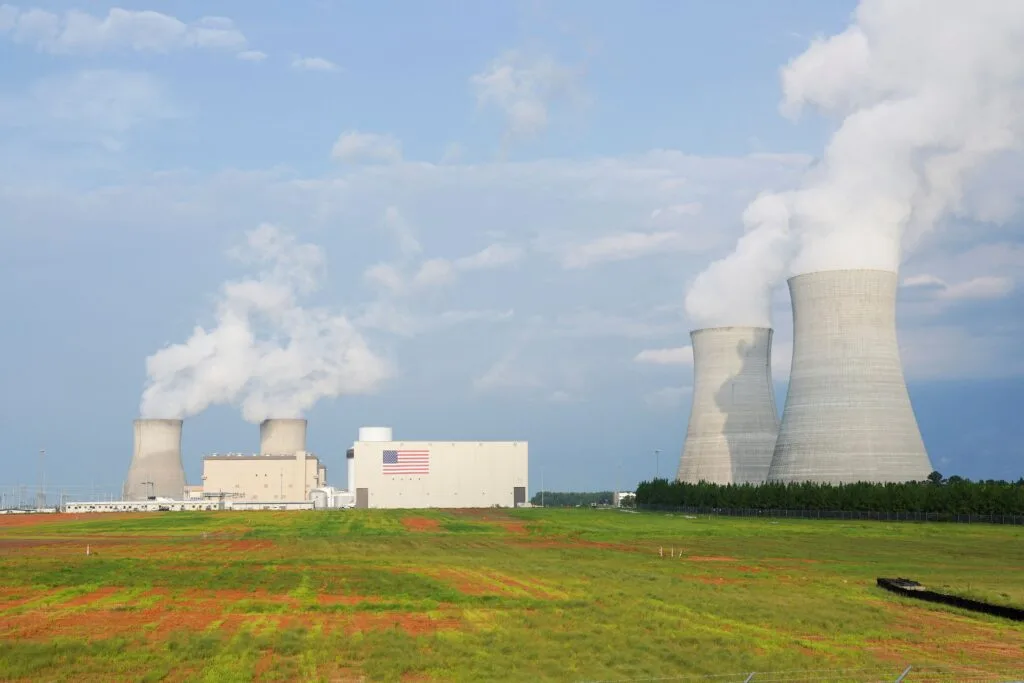
Minnesota is taking a significant step toward reversing its long-standing ban on new nuclear reactors by launching a comprehensive study mandated to conclude in early 2027. This initiative, quietly approved by state lawmakers, aims to evaluate the viability of reinstating nuclear energy development amidst growing electricity demand and technological progress.
The study will closely examine the economic, environmental, and safety aspects of restarting nuclear projects in the state. It will assess the costs and financial risks alongside recent technological innovations designed to make reactors safer, more efficient, and less environmentally impactful. Central to the review is addressing persistent concerns about nuclear waste management, which historically prompted Minnesota’s moratorium.

Concerns about radioactive waste disposal led many states, including Minnesota, to halt new nuclear construction over thirty years ago, pending a federal solution like the Yucca Mountain repository in Nevada. Although that site remains stalled, current nuclear facilities have safely stored spent fuel on-site for decades without incident. Meanwhile, fuel recycling technologies—already operational in countries like France—are gaining traction, with private companies aiming to establish similar capabilities in the U.S. This development could offer a sustainable alternative to permanent waste storage.
Minnesota’s reconsideration follows a recent trend of states easing or ending nuclear restrictions. Illinois and New Jersey lifted moratoriums this year, while California, Oregon, and Massachusetts are actively debating similar measures. Other states such as Indiana and Kentucky have passed legislation to reduce barriers for nuclear projects, reflecting a broader bipartisan movement to modernize regulatory frameworks.
Opponents often cite the high costs and lengthy timelines of nuclear plant construction, but these challenges are largely attributed to complex, overlapping federal and state regulations. Lengthy permitting processes, onerous design requirements, and mid-construction regulatory changes have inflated costs and delayed projects significantly. Efforts to streamline these regulations have gained momentum with recent congressional action and Nuclear Regulatory Commission (NRC) reforms aimed at reducing red tape.
This week, the NRC proposed relaxing its radiation standards, standards that experts now consider excessively conservative and scientifically outdated. As electricity demand rises nationwide, embracing nuclear energy as a safe, reliable, and low-carbon source is increasingly practical. Minnesota’s move to study nuclear power signals a wider shift toward recognizing its role in the future energy mix.