

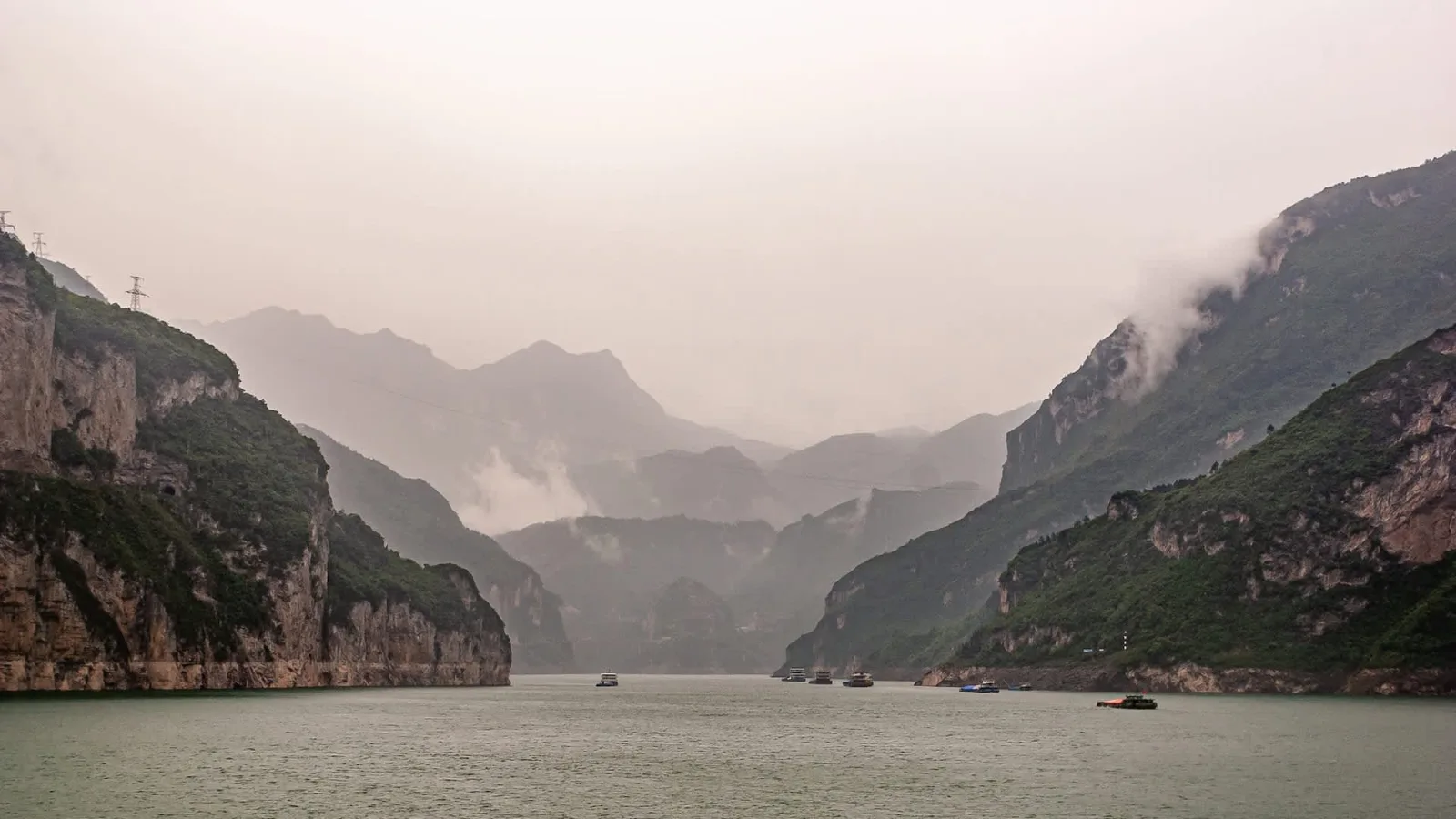
China's efforts to reduce urban air pollution over the past decade face a surprising setback as recent extreme heatwaves have caused vegetation and soil to become significant contributors to smog-forming ozone. A study focused on the Yangtze River Basin found that during the 2022 heatwave, daily ozone concentrations surged well beyond previous averages despite ongoing declines in industrial pollution.
Researchers from Fudan University, collaborating with teams at Duke University and the University of California, Irvine, documented a sharp rise in natural emissions triggered by the heat. As temperatures climbed, trees released large amounts of terpenoids—volatile organic compounds like isoprene—that fuel ozone formation. Simultaneously, dry, heated soils emitted increased nitrogen oxides, further accelerating ozone generation. In some regions, isoprene emissions grew by more than 130%, contributing directly to ozone spikes during the hottest periods.

This phenomenon complicates air quality management since ground-level ozone poses serious health risks, including respiratory problems for vulnerable populations such as children, the elderly, and asthmatics. The heatwave also elevated levels of secondary organic aerosols, a damaging fine particulate matter, creating a scenario where communities faced simultaneous increases in multiple pollutants.
The findings, published in Environmental Science and Ecotechnology, point to a broader climate challenge: even as human-made pollution declines, warming temperatures may stimulate natural emissions that worsen air quality. Pollution increases were noted once temperatures exceeded roughly 86°F for aerosols and 95°F for ozone, suggesting hotter summers could lead to more frequent unhealthy air days.
These insights raise concerns about the effectiveness of current pollution control strategies, which typically focus on reducing emissions from vehicles, factories, and power plants but may neglect the growing impact of natural sources influenced by climate change. The study highlights the need for air quality policies to adapt to these shifting dynamics and for urban greening and reforestation projects to consider the complex interactions between local vegetation, soil chemistry, and atmospheric conditions.
Researchers emphasize that existing models might underestimate soil contributions to ozone formation, which could mean the problem is even more significant than now understood. They warned that ignoring these natural feedbacks risks undermining clean-air progress as climate warming continues.