

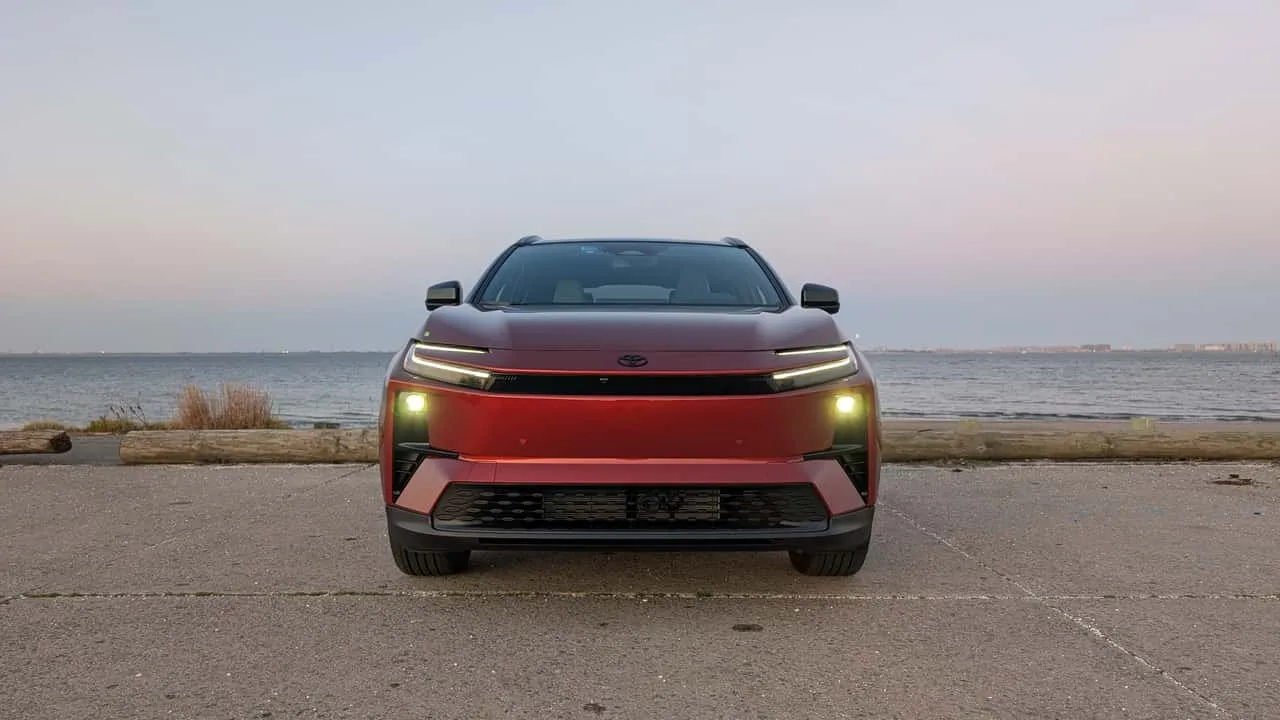
Toyota has significantly increased its electric vehicle (EV) sales this year, reaching nearly 22,000 units sold in the first half, more than doubling its performance from the same period last year. This surge places Toyota among the top five EV sellers in the United States, surpassing well-known competitors such as Volkswagen, Nissan, and Ford.
This turnaround stems largely from the expansion of Toyota’s EV lineup, which now includes the newly introduced bZ Woodland and the compact C-HR, alongside the existing bZ crossover. Improved range and faster charging capabilities have addressed earlier weaknesses in the bZ model, enhancing its competitiveness in a market that has seen softening demand following the expiration of EV tax credits and other incentives.

While other manufacturers like Ford and Volkswagen have scaled back or discontinued certain EV models, Toyota has doubled down by broadening its EV offerings. The bZ crossover alone accounted for over 17,500 sales, nearly doubling sales from last year, with the C-HR and bZ Woodland contributing thousands more.
Toyota’s rise reflects a strategic push to claim a solid presence in the rapidly evolving EV market. Unlike some rivals who have pulled back on EV production, Toyota aims to secure its “fair share” through ongoing model releases. One such example is the all-electric next-generation Highlander, a three-row SUV expected to debut in early 2027 after a recent delay.
Industry observers point to Toyota’s approach as a noteworthy pivot from its previous cautious stance on electrification. The company’s ability to sustain and grow EV sales will likely depend on continued improvements in vehicle features and competitive manufacturer incentives that have already boosted interest in the bZ series.