

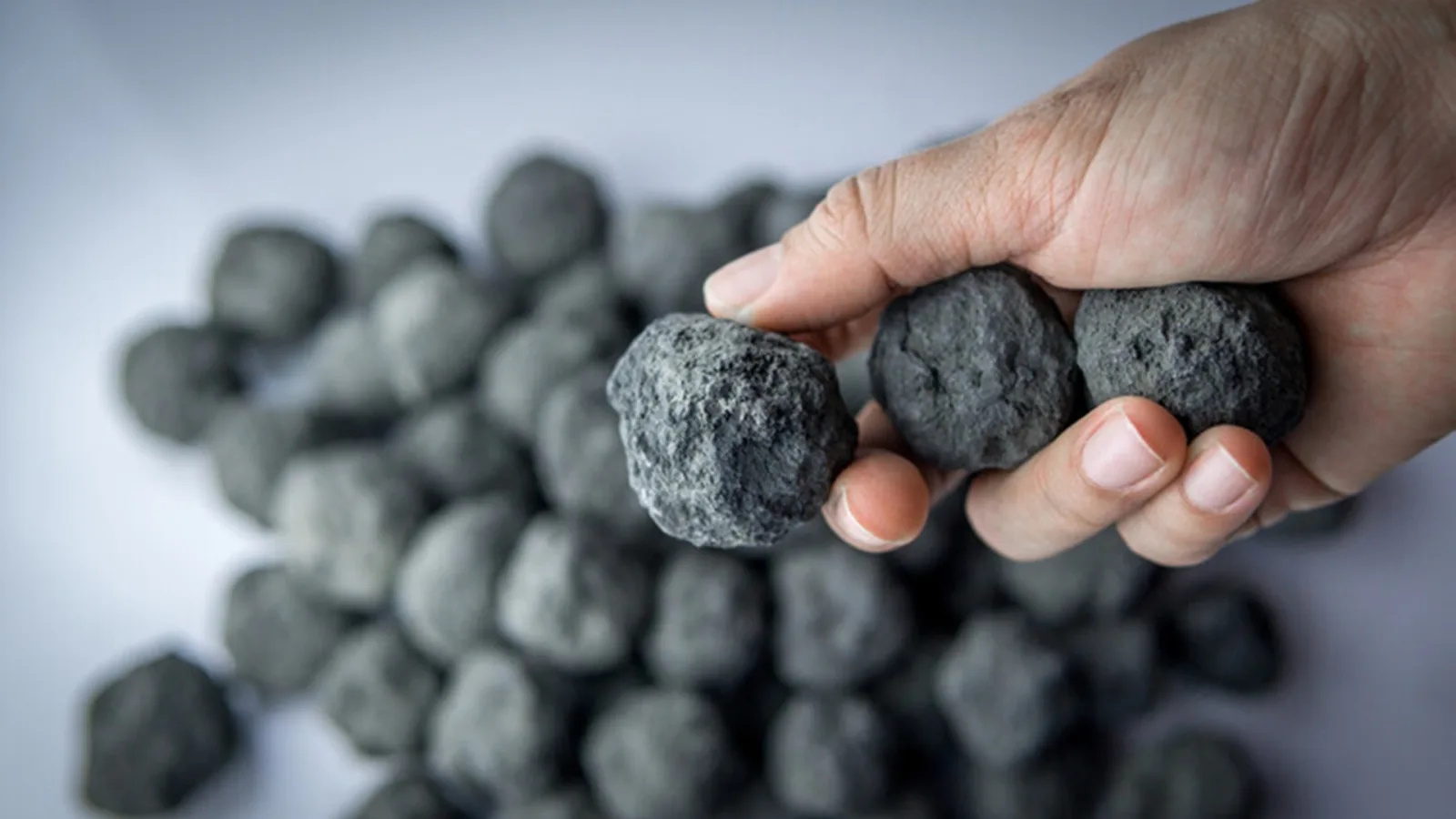
Scientists in the United States have created an innovative method using extremely high-temperature electric plasma to transform how cement is produced. This breakthrough enables the material to be manufactured in a matter of seconds rather than hours, offering a faster, cleaner alternative to conventional fossil fuel-based processes.
The technology relies on plasma heated to over 4,352°F (2,400°C), which rapidly converts raw materials into cement clinker—the key intermediate product. By replacing traditional coal or gas furnaces with this electric plasma system, cement plants can drastically reduce greenhouse gas emissions associated with burning fossil fuels.

Cement production is one of the most carbon-intensive industrial activities globally, responsible for a significant share of CO₂ emissions due to the high temperatures required in kilns. This plasma heating method addresses that core challenge by enabling thermal processing powered by electricity, which can derive from renewable sources.
Not only does the plasma process accelerate production times, but it also reduces fuel consumption, potentially lowering operational costs and environmental impact simultaneously. Its application could mark a pivotal shift in how the construction industry confronts climate change.
Transitioning to this technology involves integrating specialized plasma torches and power control systems into existing manufacturing lines. These modifications allow rapid heating and cooling cycles that conventional kilns cannot achieve, enhancing energy efficiency.
While still in developmental stages, this approach represents a promising direction for decarbonizing the cement sector, which has traditionally struggled to find scalable low-carbon solutions. With further optimization and industrial validation, the electric plasma method could reshape sustainable building material production worldwide.