

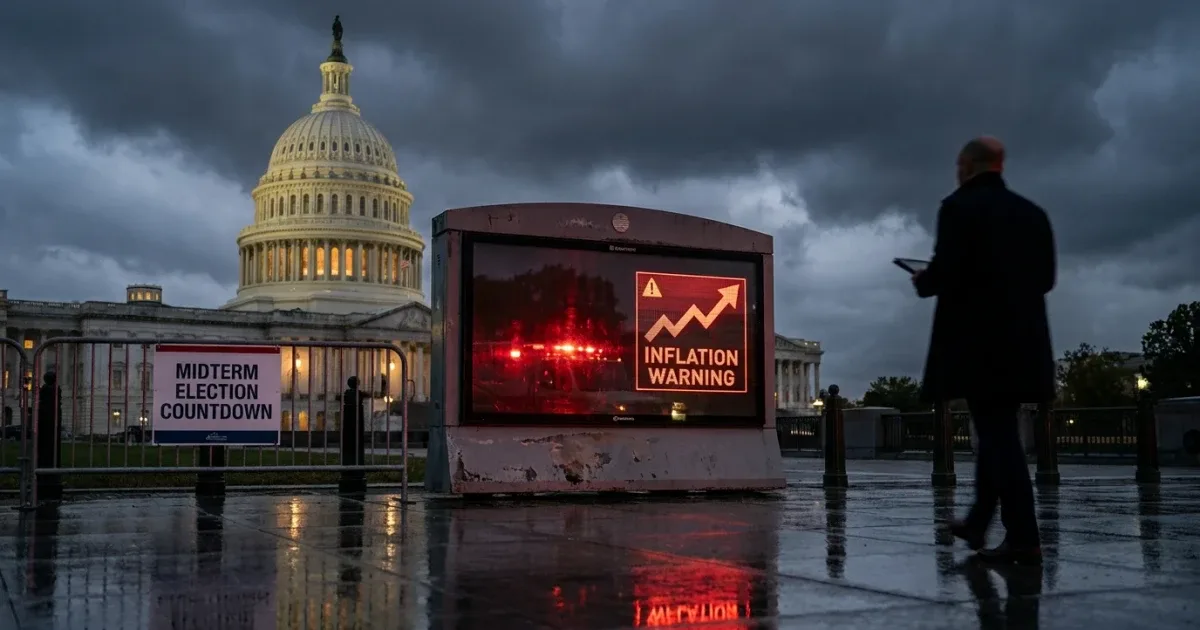
The bond market is signaling a rise in inflation expectations, complicating the political landscape for Donald Trump and Republican candidates as the midterm elections approach. The 10-year breakeven inflation rate—a measure reflecting anticipated average inflation over the next decade—has increased significantly, indicating investor concern about sustained price pressures.
This uptick in inflation expectations coincides with rising yields on Treasury bonds, which suggest that the market demands higher returns to compensate for inflation risk. Such shifts often prompt policymakers to adjust fiscal or monetary policies to curb potential economic overheating. The bond market’s warning could therefore influence decisions on interest rates and government borrowing costs in the coming months.

Politically, the signal adds pressure to the GOP. Inflation and the cost of living remain top voter concerns, as recent surveys reveal. Republican candidates have centered their campaigns on economic issues, but persistent inflation fears risk undermining confidence in their economic management. Some party strategists view Trump’s messaging on the economy as a gamble, especially if rising prices and market alarms persist, potentially affecting voter turnout in crucial districts.
Beyond politics, the rise in inflation expectations has tangible effects on households and businesses. Higher anticipated inflation tends to push up borrowing costs, raising mortgage rates and loan expenses. This dynamic can influence consumer behavior and business investment decisions, adding complexity to the economic environment leading into the elections.