

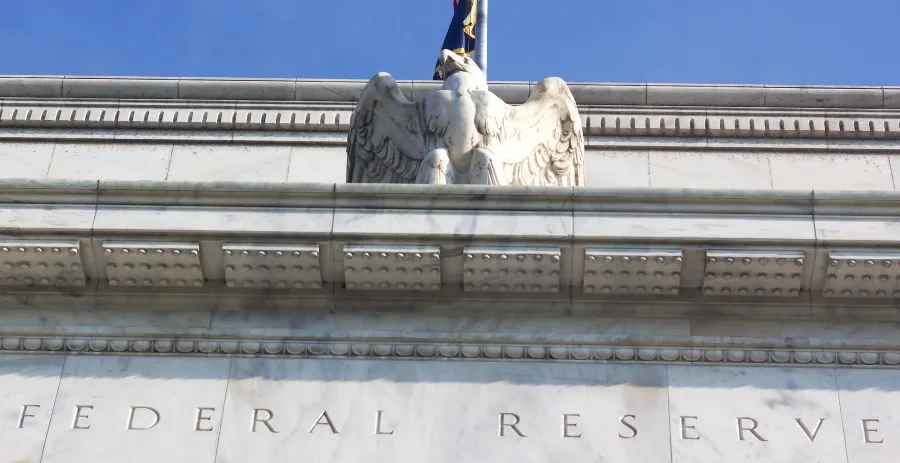
The Federal Reserve is expected to adjust its monetary policy stance by ending its easing bias and signaling tighter interest rates at its upcoming meeting. While economic growth remains robust and employment steady, swelling inflation — largely due to soaring energy prices linked to geopolitical tensions — has prompted concerns about price stability.
Despite the cautious outlook, consumer spending continues to support the expansion, even as consumer confidence hits historically low levels. This spending momentum, along with productivity gains fueled by advances in artificial intelligence (AI), suggests underlying economic strength that could justify a firmer Fed response to inflation.

Recent data show that GDP grew slightly above expectations in the first quarter, with forecasts indicating even stronger growth for the second quarter. AI-driven innovation has propelled investment in intellectual property, pushing productivity growth to a faster pace than the two-decade average. This boost raises the economy’s potential growth rate, affecting how policymakers assess inflation and interest rates.
Labor markets remain tight but stable. After a period of minimal job gains earlier in the year, monthly payrolls are now increasing moderately. The unemployment rate stands near what is considered full employment, reflecting that most job seekers have found work.
Inflationary pressures have intensified recently, mainly influenced by a sharp rise in gasoline prices linked to the conflict in Iran. Gas prices jumped from just over three dollars per gallon to around four and a half, pushing headline Consumer Price Index (CPI) inflation higher. However, core inflation — which excludes volatile energy and food costs — has risen more modestly, indicating the inflation spike is largely energy-driven.
Against this backdrop, analysts expect Federal Reserve Chair Kevin Warsh to resist political pressures favoring lower rates and instead prioritize curbing inflation. A shift from an easing to a tightening bias at the June meeting would send a clear message to markets that the Fed intends to avoid repeating past delays in rate hikes.