

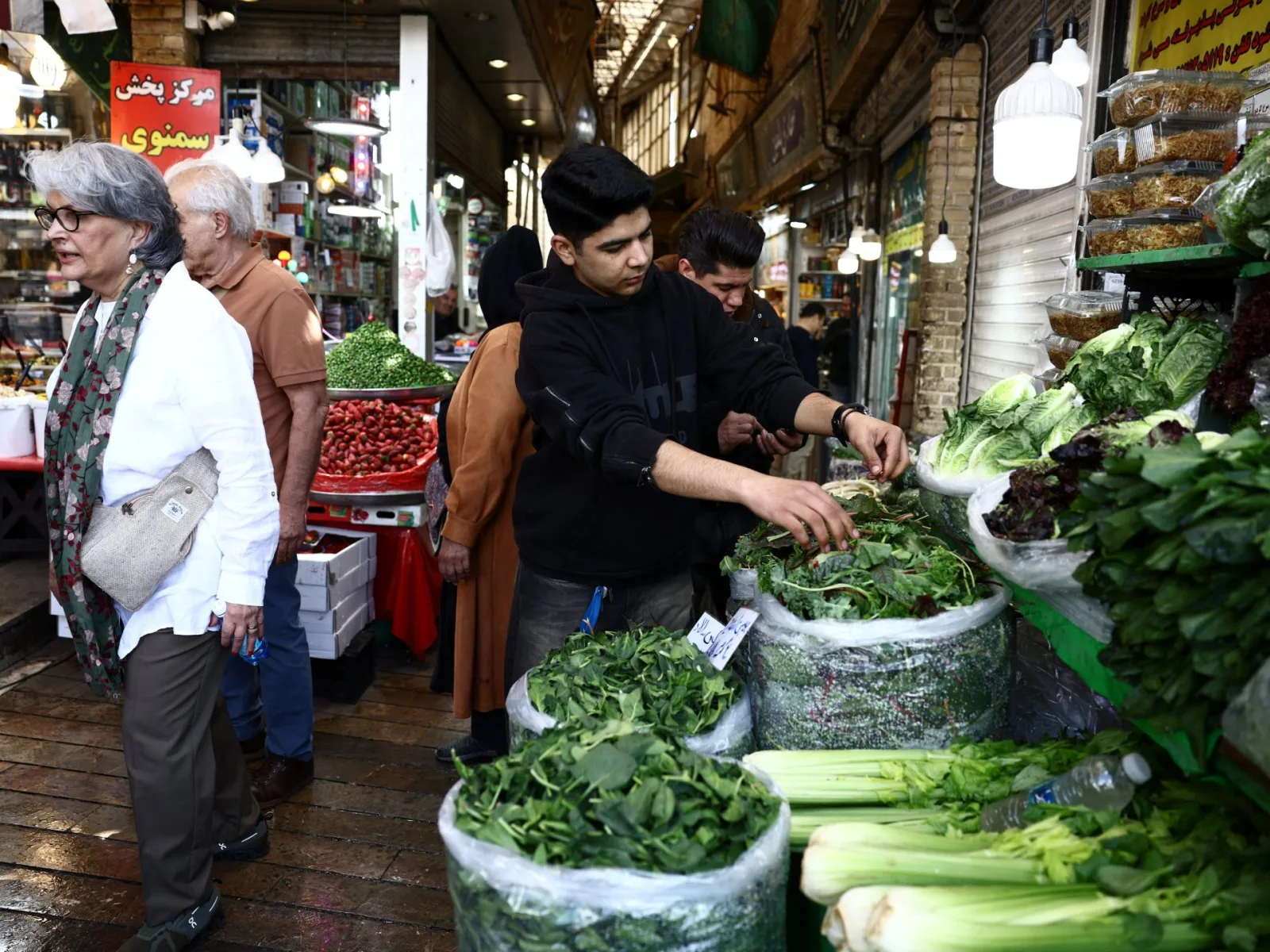
Households in Iran are struggling as inflation accelerates rapidly, hitting food prices particularly hard. Recent government reports reveal that food inflation has more than doubled compared to the previous year, pushing essential goods beyond the reach of many families in the conflict-affected nation.
The Statistical Center of Iran (SCI) reported that the country’s inflation rate for the first month of the Persian calendar year reached over 73 percent year-on-year, while food prices soared by 115 percent during the same period. This sharp increase marks a further escalation in a persistent trend that is eroding purchasing power across Iran. The Central Bank’s figures, slightly lower but consistent, confirm a monthly inflation increase well above average levels seen globally.

Prices of staple foods have seen dramatic spikes, with some more than tripling in cost. Solid vegetable oil led the surge with a 375 percent increase, followed by liquid cooking oil climbing over 300 percent. Imported rice prices doubled, and chicken nearly tripled in price. Even products with lower increases, such as butter and infant formula, still recorded significant rises.
Consumers report unable to maintain former living standards, with many forced to cut back on necessities. In the capital, restaurant owners say they have raised prices repeatedly as supply shortages and export restrictions impact costs. Retailers and suppliers cite limited oversight, adding to uncertainty in the market.
Against this backdrop, state authorities have declared recent price hikes on cooking oil unlawful and ordered a reversal to former prices. However, details on how enforcement will proceed remain unclear, amid broader challenges managing inflation linked to sanctions and ongoing geopolitical tensions.
The Iranian leadership acknowledges the difficulties posed by these economic conditions, emphasizing national unity and cooperation as key to overcoming obstacles. At a recent meeting on reconstruction after attacks attributed to foreign forces, the President underscored the need for public understanding of the nation's restrictions and vowed efforts to address the hardships.