

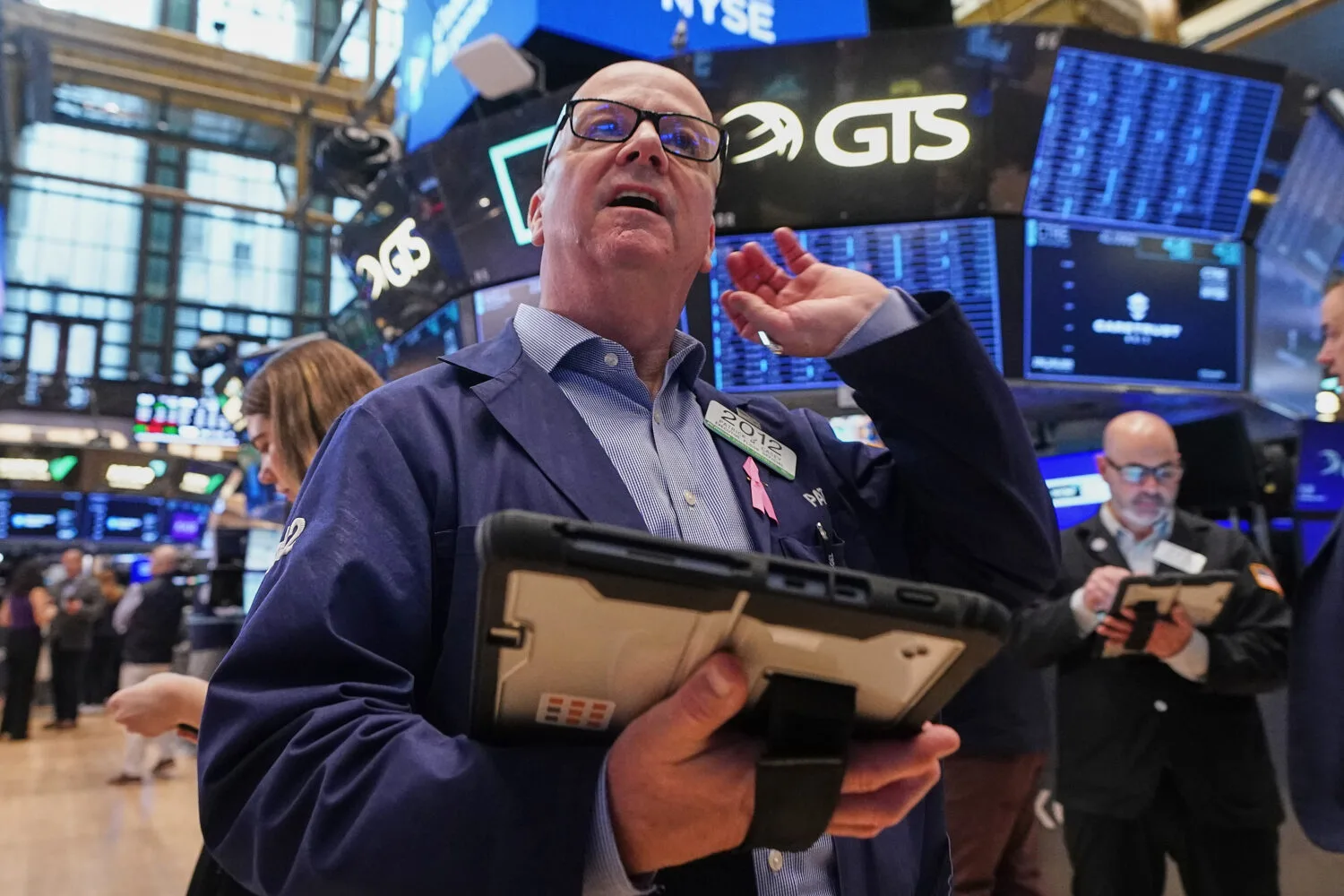
Financial markets worldwide experienced a sharp pullback following fresh record highs, driven by a significant rise in oil prices and bond yields fueled by escalating tensions in the Iran war. The U.S. equity indexes, including the S&P 500, Dow Jones Industrial Average, and Nasdaq Composite, all declined notably, with technology stocks, especially those linked to artificial intelligence, leading the downturn.
Investors also reacted with caution after the U.S.-China summit concluded, as uncertainties linger over trade relations and geopolitical risks. Global markets showed broad weakness: European benchmarks such as the FTSE 100, CAC 40, and DAX dropped, alongside major Asian indices including Tokyo’s Nikkei, South Korea’s Kospi, and Hong Kong’s Hang Seng. While some optimism remains regarding potential trade cooperation, analysts warned that previous U.S.-China deals had frequently failed to materialize amid rising tensions.

Oil prices surged sharply, climbing more than 3% amid fears that the conflict in Iran could disrupt supply further, intensifying concerns about inflationary pressures. This increase in commodity prices triggered a jump in bond yields, reflecting investor unease about potential impacts on borrowing costs and the broader economy. The rise in yields influenced sentiment across financial markets, pressuring equities as traders reassessed risk.
The U.S. administration highlighted ongoing discussions surrounding trade and the Iran conflict during President Trump’s meetings with Chinese leader Xi Jinping. Notably, Trump mentioned that China might resume buying U.S. crude oil, reversing a previous halt driven by tariff disputes, and suggested that China showed willingness to assist in mediating the Iran situation. However, experts advise watching these developments cautiously given past unmet commitments.
Asian markets showed mixed reactions with India’s Sensex posting a slight gain, contrasting declines in other regional indexes. South Korea’s Kospi retreated sharply from an all-time high reached earlier in the week, partially driven by profit-taking from earlier AI-driven gains. Investors worldwide continue to weigh geopolitical risks alongside economic indicators as markets adjust to evolving global tensions.