

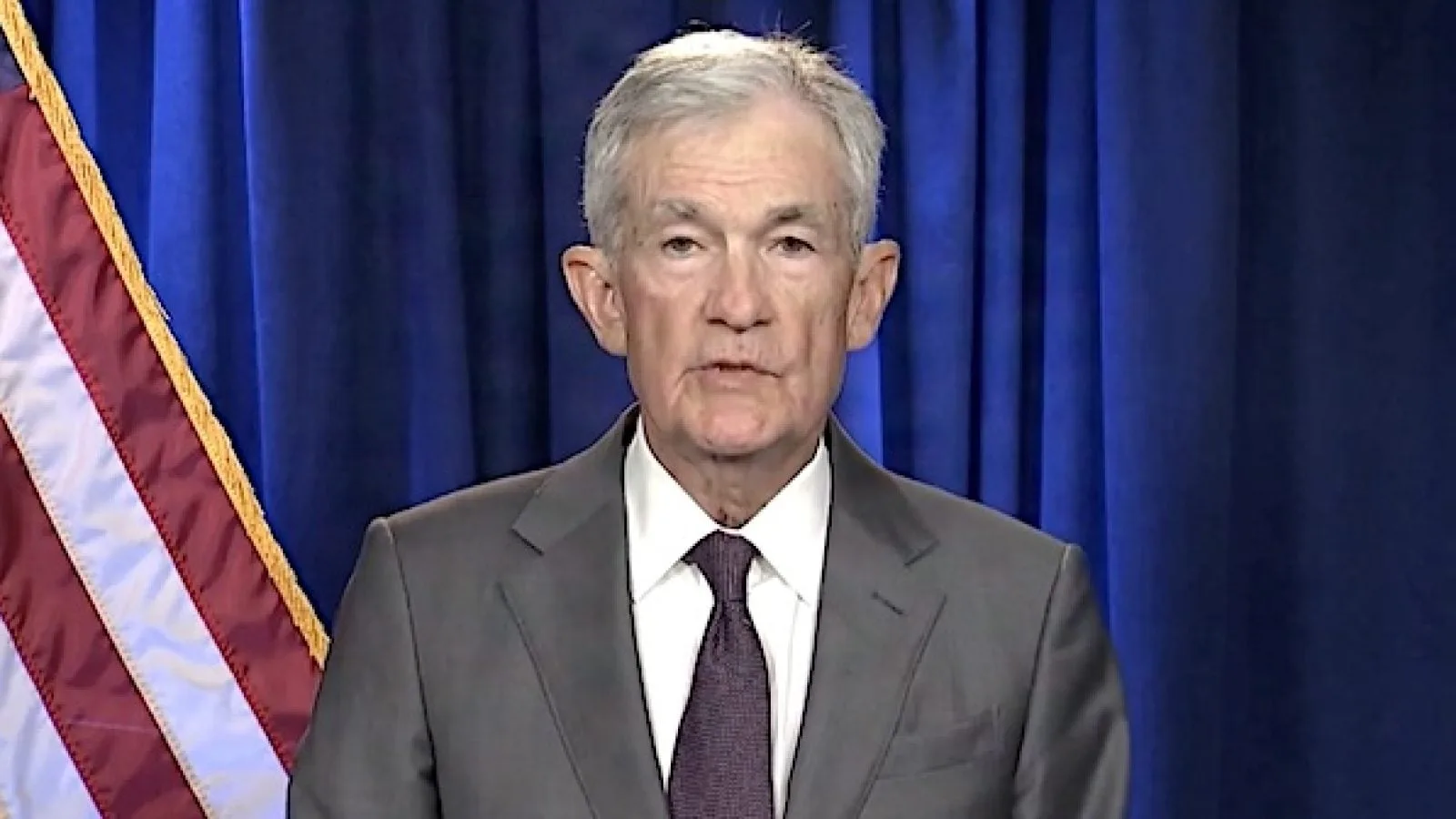
Jerome Powell continues to serve as Federal Reserve chairman despite his announced departure, marking a rare extension in the role’s history. His main justification centers on defending the Fed’s independence from legal and political challenges, which he argues are essential for unbiased monetary policy. However, this claim clashes with the significant political consequences his policies have triggered in recent years.
Since 2008, the Federal Reserve’s monetary interventions have drastically expanded the U.S. money supply, increasing it by over three times—from $7 trillion to more than $22 trillion measured by M2 money supply. This vast creation of currency has directly influenced wealth distribution, disproportionately benefiting asset holders like older generations who own homes and stock portfolios. Inflation and soaring asset values have widened the gap between those who possess such wealth and those who do not, fueling social and generational tensions.

The surge in inequality observed under Powell’s tenure is unprecedented in modern U.S. history. While traditional capitalism generates inequality through entrepreneurial success, critics argue that the Fed’s monetary strategies have exacerbated inequality by inflating asset prices and living costs without equivalent income growth for younger Americans. This economic backdrop partly explains the growing appeal of socialist-leaning candidates in urban centers, notably among younger voters disillusioned by persistent economic disparities.
Powell’s stance that politics should stay out of monetary decision-making overlooks how intertwined Fed actions have become with political outcomes. The dramatic shifts in wealth and societal divisions during his chairmanship reveal that the Fed’s so-called independence is more complex and consequential than the traditional narrative suggests.
Additionally, the Fed’s role during crises, including the COVID-19 pandemic, involved accommodating massive government borrowing and stimulus measures. This entanglement with fiscal policy further blurs the line between monetary policy’s technical independence and political influence, raising questions about the future balance of power between elected officials and central bankers.