

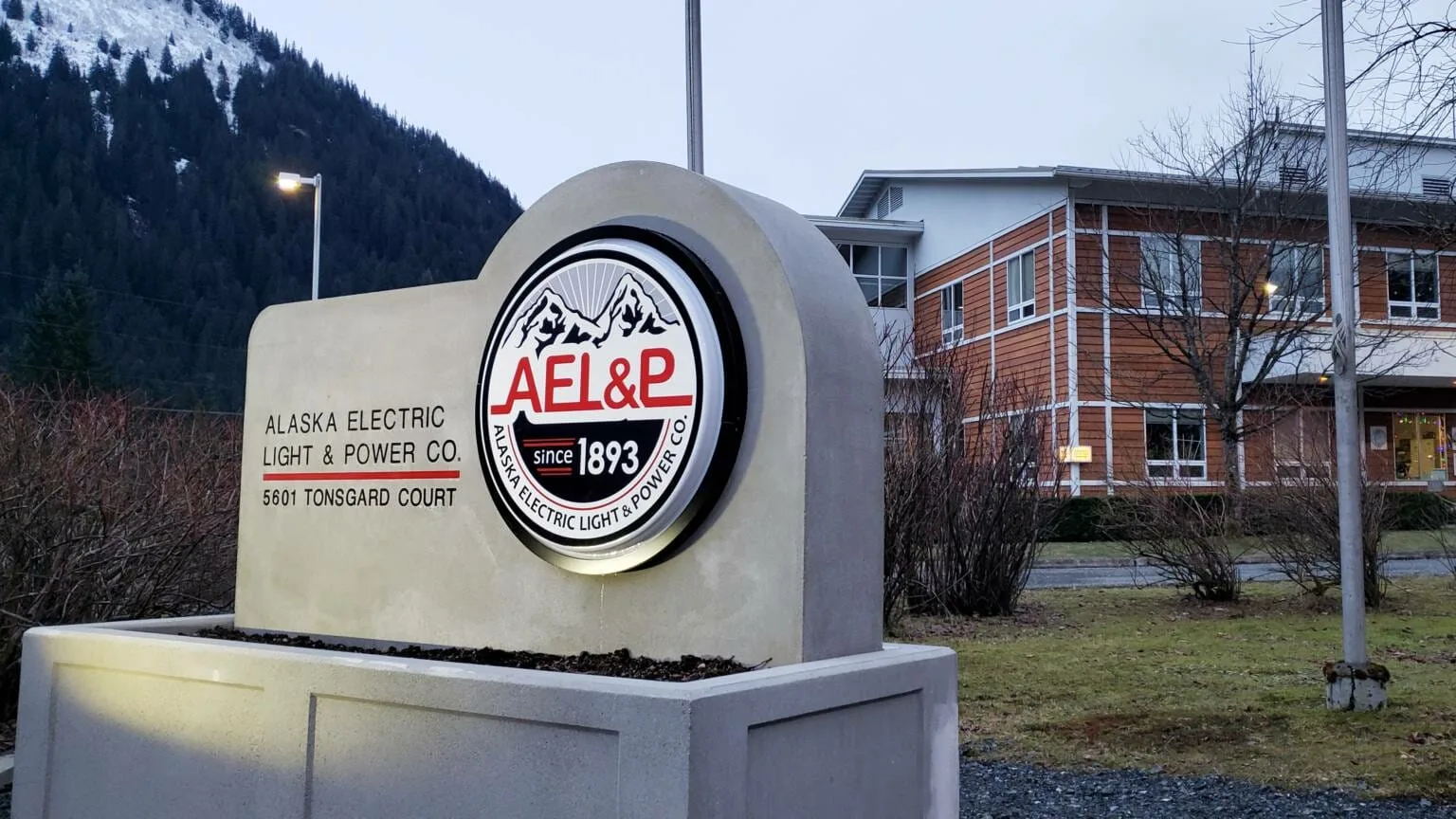
Residents of Juneau will see an increase in their electricity bills starting next month as Alaska Electric Light & Power (AEL&P) seeks to recover higher expenses resulting from recent infrastructure projects and inflationary pressures. The utility filed a rate increase proposal with the Regulatory Commission of Alaska, aiming to address a revenue gap caused by elevated costs.
The average household in Juneau, consuming about 850 kilowatt-hours monthly, may experience a bill increase of between 18 and 20 percent. The planned rate hike will occur in two phases: one beginning in June and another in August. The initial phase will raise rates by slightly over one-and-a-half cents per kilowatt-hour, with a further rise of about one cent per kilowatt-hour following in August. If approved in full, rates would reach nearly 15.99 cents per kilowatt-hour—still below the U.S. national average, which ranges between 17 and 18 cents.

AEL&P has invested roughly $65 million in capital improvements since its last rate adjustment in 2022. About half of these funds went to replacing a steel pipeline that transports water from the reservoir to the powerhouse at the Annex Creek Hydroelectric Facility, which supplies approximately 6 percent of Juneau’s electricity. The remainder was allocated toward updating and replacing aging equipment across the electric grid.
Inflation has significantly increased the prices of key raw materials such as steel, copper, and aluminum. These rising costs have been influenced by a combination of tariffs, supply chain disruptions, and geopolitical unrest, affecting the cost of equipment crucial for maintaining the utility’s infrastructure.
The utility faces a $10 million shortfall, referred to as a revenue deficiency, that it hopes to offset through this rate increase. Despite the rise, the company highlights that Juneau’s grid is nearly 100 percent renewable and that electricity costs remain competitive nationally.
The Regulatory Commission of Alaska will review the proposed rate increase in a process expected to last up to 450 days, which includes a period for public comment. However, the first phase of the rate increase is scheduled to take effect before the commission completes its review.
If the commission ultimately rejects the requested rate or orders a lower rate, customers will receive refunds, generally issued as account credits for the difference. This safeguard ensures that customers will not pay more than the commission deems justified during the review process.