

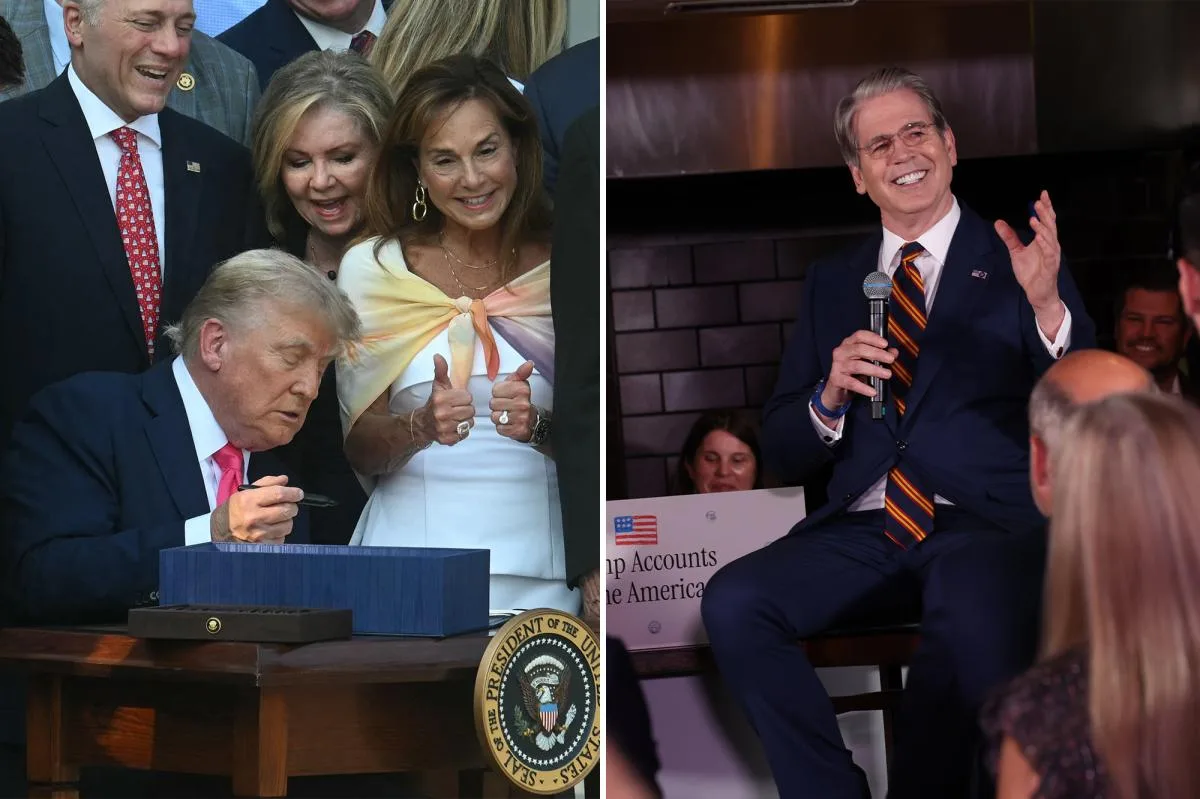
Nearly every individual who filed taxes this year received a tax reduction, amounting to a total of $82 billion in relief, according to data from the Treasury Department. The widespread tax cuts stem from the One Big Beautiful Bill Act, passed last year, which countered an otherwise substantial tax increase caused by the expiration of previous tax measures.
Without this legislation, taxpayers would have faced a combined $5 trillion hike due to the rollback of the 2017 tax cuts. The Treasury confirmed that 97 percent of filers benefited from the new law’s provisions, reflecting efforts to make the tax system more equitable and to ease the financial burden on millions.

The relief package included several key provisions targeting middle-income earners. Taxpayers with incomes between $100,000 and $200,000 received an average cut exceeding $1,250, while those earning between $50,000 and $100,000 saw average savings over $815. Additionally, specialized breaks helped certain groups significantly reduce their taxable income.
More than 7.5 million workers claiming the no-tax-on-tips exemption removed around $7,000 from their taxable income on average, showcasing one of the law’s most impactful measures. Furthermore, over 29 million filers took advantage of no-tax-on-overtime pay deductions, trimming their tax bills by an average of $3,100. Notably, three-quarters of these individuals earned less than $100,000, and nearly all earned under $200,000.
The doubled standard deduction simplified tax filings for approximately 127 million people, representing roughly 90 percent of all returns filed so far. Treasury officials anticipate these numbers could rise as more taxpayers with filing extensions submit their returns.
This extensive tax reform also introduced benefits for seniors and families, along with incentives to support domestic manufacturing and new savings instruments known as Trump Accounts. These accounts encourage families to save for their children’s futures, with over 5.5 million opened to date. Around 1.4 million children currently qualify for a pilot contribution of $1,000 through these accounts, with the majority linked to families earning less than $200,000 annually.
The One Big Beautiful Bill Act represents a signature domestic policy accomplishment from the previous administration, combining tax relief with economic growth strategies. Despite bipartisan opposition—including all Democrats and two Republicans—the bill passed both chambers in July and was signed into law shortly after.