

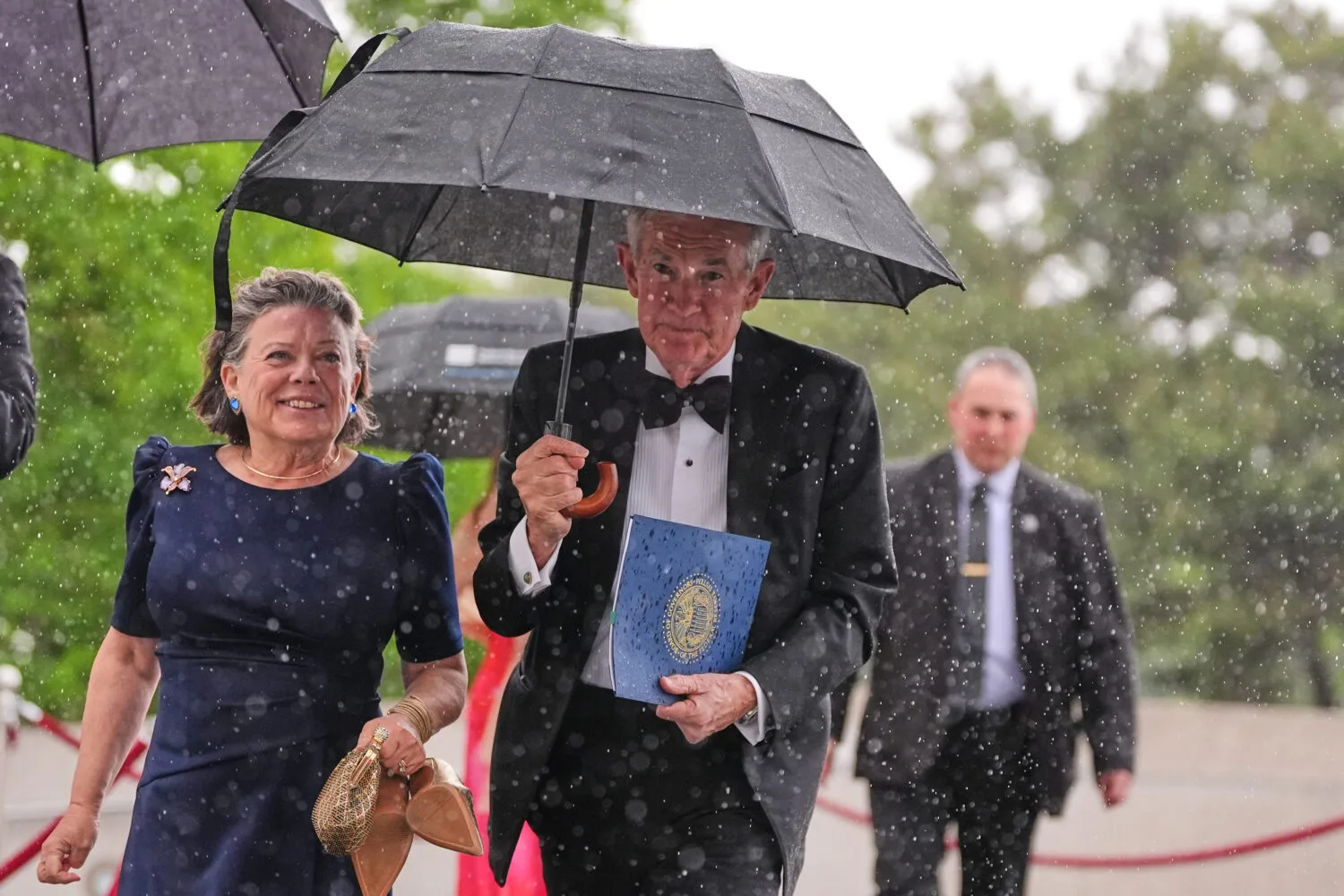
Jerome Powell used a prominent award ceremony to emphasize the critical importance of safeguarding the independence of key democratic institutions, including the Federal Reserve, the judiciary, universities, and Congress. Speaking at the John F. Kennedy Presidential Library, he stressed that these institutions form the foundation of democracy and that protecting their autonomy is vital for maintaining public trust.
Powell warned that attempts by any administration to remove Federal Reserve officials over policy disagreements risk undermining the institution's credibility, which has developed over many years. He noted that insulating monetary policy from political influence is a standard practice across advanced economies, essential for stable governance.

The former Fed chair, who stepped down after his term expired, has retained his seat on the Fed’s governing board until 2028, limiting the current administration’s ability to appoint new members. This move follows disputes including efforts to remove other Fed governors, which have faced legal challenges in court. Although Powell did not name specific political figures, his remarks clearly underscored the dangers of political interference in independent bodies.
Beyond monetary policy, Powell defended the role of universities, the legal system, and Congress as pillars of democratic governance. He framed them as institutions that must remain free from political pressure to uphold their purpose as embodiments of democracy and public service.
The John F. Kennedy Profile in Courage Award, granted annually to public servants who face significant personal or professional risks for principled decisions, honored Powell for his efforts to protect the Fed’s independence amid intense scrutiny and political attacks. Past honorees include several presidents and international leaders recognized for their courageous leadership.
Powell’s cautionary address comes after years marked by political criticism of Federal Reserve policies, particularly regarding interest rates, highlighting the ongoing challenges central banks face in balancing economic policy with political realities.