

The U.S. labor market’s resilience has shifted market sentiment, increasing the likelihood of interest rate hikes in 2026 despite persistent inflationary pressures. Recent data showed stronger-than-expected job growth, with the economy adding significantly more jobs than projected and unemployment steady at forecasted levels. This performance challenges earlier expectations for rate cuts and supports a more hawkish Federal Reserve stance.
Following the release of the employment figures, the probability of a rate hike rose notably, as measured by the CME FedWatch Tool. Inflation remains above the Federal Reserve’s 2% target, further diminishing hopes for easing monetary policy. This adjustment in expectations signals a changing financial landscape, especially for risk assets such as cryptocurrencies, which historically suffer when borrowing costs rise.

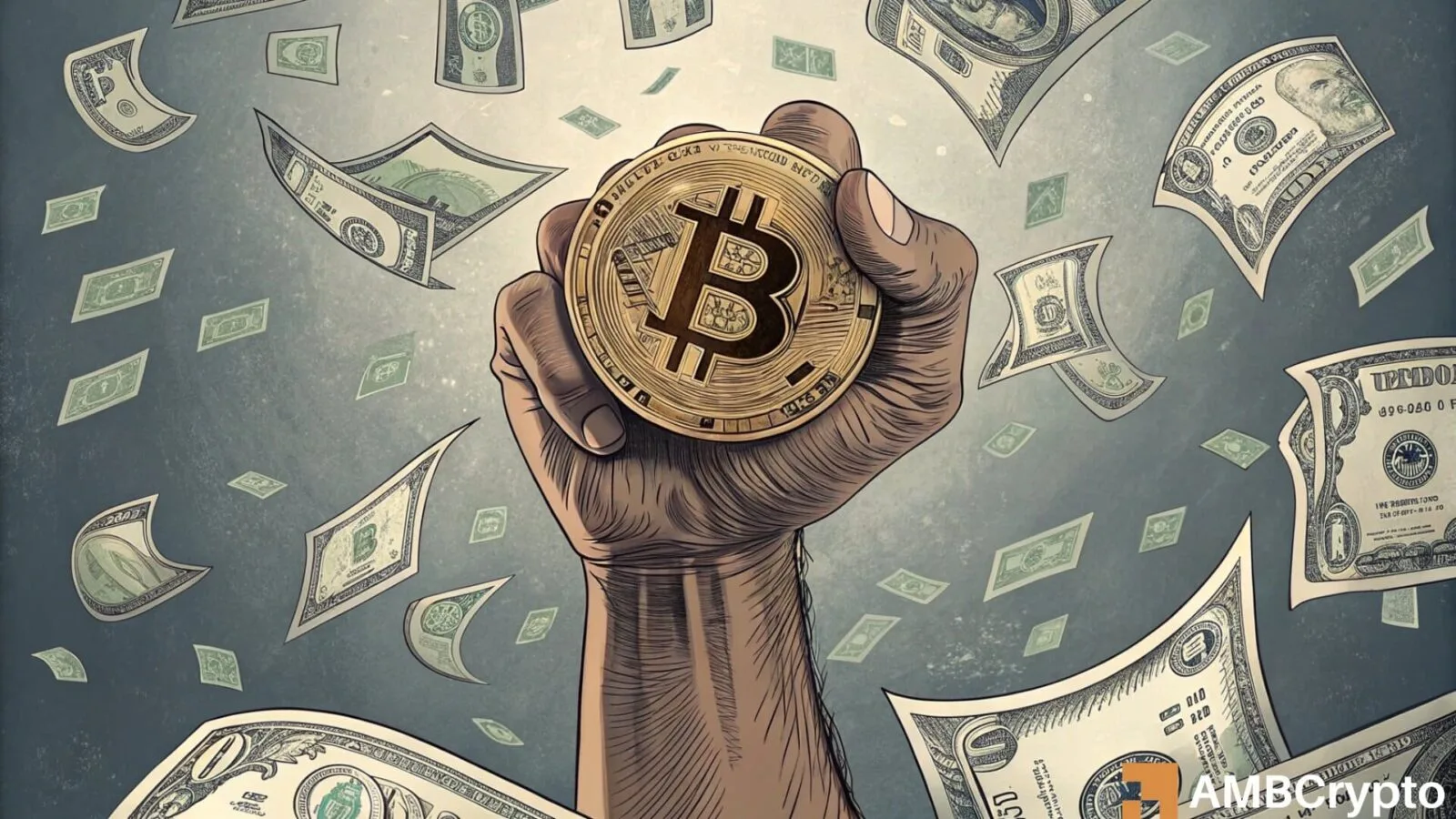
Nonetheless, the current environment presents a nuanced picture for crypto. The U.S. Dollar Index, after several quarters of gains, has declined in the second quarter, influenced by the Fed’s ongoing liquidity measures. This weakening dollar has helped shift capital into alternative assets. Bitcoin, in particular, is gaining traction as a preferred hedge against currency debasement, outperforming traditional safe havens like gold in recent months.
Institutional investment underlines this trend. Bitcoin exchange-traded funds (ETFs) have attracted substantial net inflows, and ongoing momentum suggests this pattern could continue. The strong inflows and Bitcoin’s rising value relative to gold affirm its emerging role as a macroeconomic hedge amid inflation and potential rate hikes.
As expectations for U.S. rate increases grow, crypto markets are increasingly viewed not merely as high-risk assets vulnerable to tightening monetary policy but as strategic instruments for preserving value in a shifting macroeconomic environment. This dynamic highlights the complex interplay between monetary policy, inflation, and capital allocation decisions in 2026.