

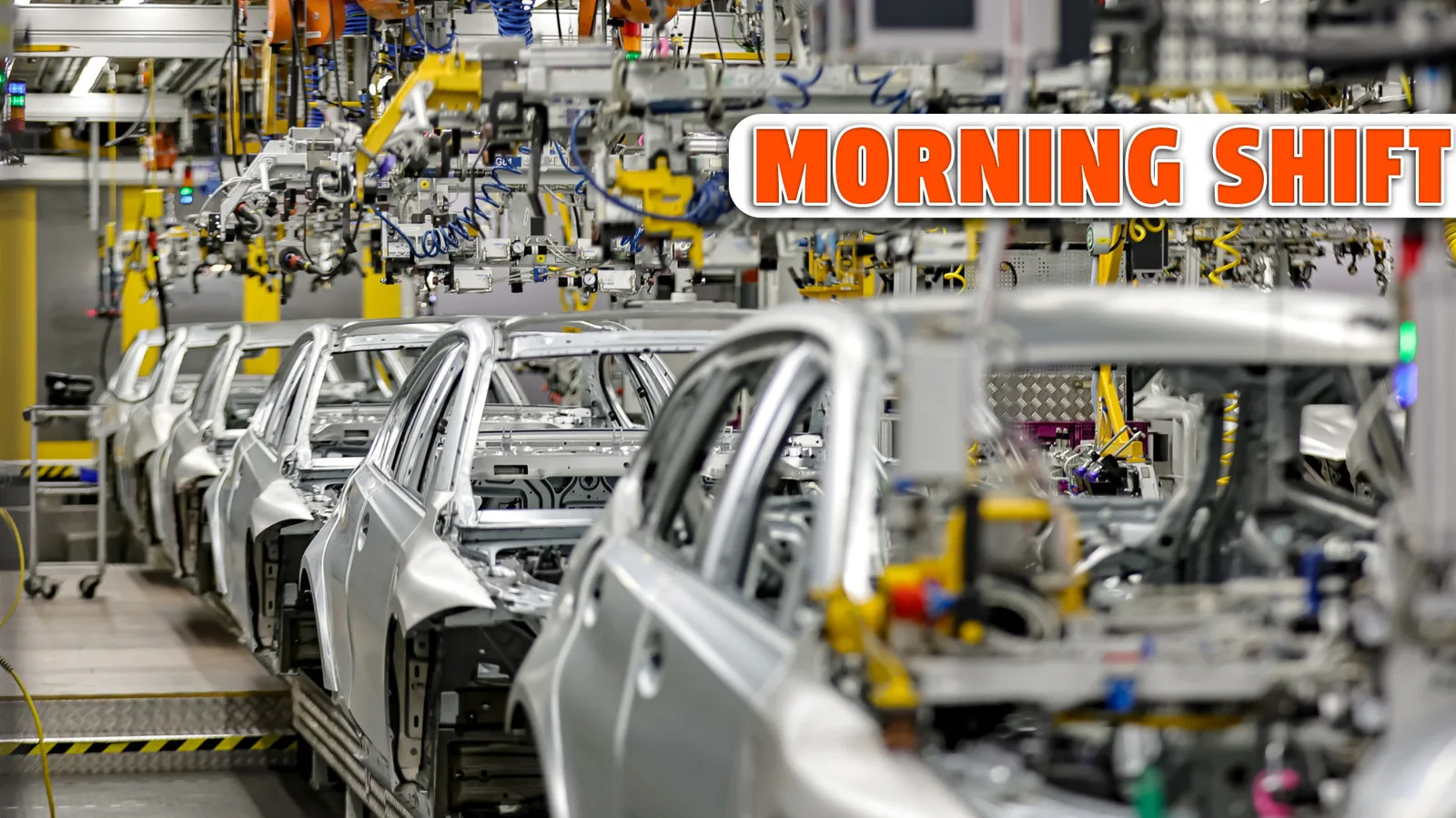
The ongoing conflict involving the United States and Iran has caused a significant spike in energy prices across Europe, potentially jeopardizing more than 1.3 million jobs in energy-dependent industries this year. The European Commission highlighted the automotive sector as the hardest hit, with up to 600,000 layoffs anticipated amid soaring operational costs.
Labour Commissioner Roxana Minzatu emphasized that jobs across other critical sectors such as construction, metals, chemicals, and transport also face steep reductions. The automotive industry, known for its unionized and stable employment, illustrates the severity of the ripple effects from geopolitical tensions on European economies. Additionally, emerging industries tied to green technologies, including battery manufacturing and solar panel production, could see tens of thousands of positions cut.

EU estimates project job losses across multiple sectors as follows: approximately 56,000 in construction, metals, chemicals, and transport; around 85,000 in battery projects; nearly 59,000 in solar manufacturing; and roughly 4,500 in steel production due to environmental regulations. Energy costs are pressuring businesses heavily reliant on fuel, and consumers in lower-income brackets could face increased transport fuel expenses, further constraining household budgets.
This scenario unfolds amidst an EU manufacturing workforce of about 30 million and service sector employment nearing 87 million. The sharp rise in energy expenses triggered by the Middle East conflict demonstrates the broad economic vulnerability to geopolitical crises, especially for energy-intensive sectors.
Meanwhile, at the other end of the automotive landscape, Kia has begun producing the hybrid version of its Sportage crossover in Georgia, USA. This shift moves hybrid production from South Korea to the American factory, aiming to reduce tariff costs amid shifting trade policies. This marks the first vehicle under the Kia badge built at the Georgia plant, reflecting strategic adjustments to evolving market and regulatory environments.