

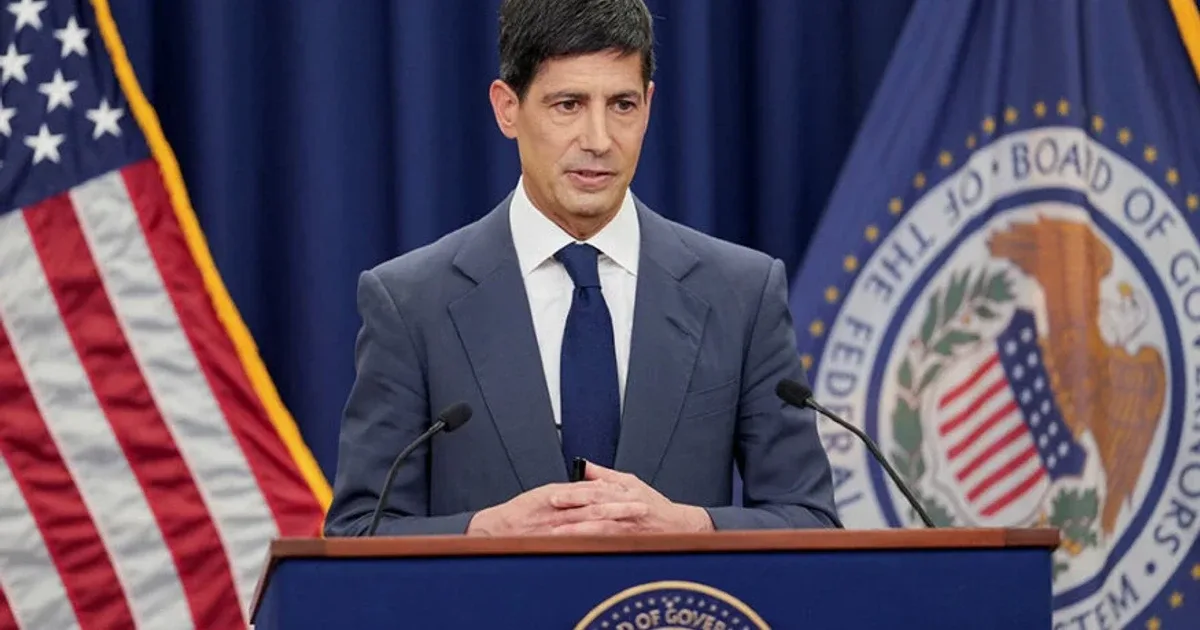
Kevin Warsh’s initiative to diminish the Federal Reserve’s use of forward guidance signals a significant shift in how the central bank communicates future monetary policy. This change could complicate investors’ ability to anticipate rate adjustments, potentially driving up borrowing costs for the government, homebuyers, and companies.
Forward guidance has been a cornerstone of the Fed’s strategy for nearly two decades, providing markets with clues about the likely direction of interest rates. This practice helped stabilize expectations during and after the Global Financial Crisis by using phrases tied to economic thresholds such as unemployment and inflation levels. Removing or limiting such guidance introduces a degree of uncertainty that investors may price into longer-term Treasury yields, mortgage rates, and corporate debt.

Warsh’s approach became evident during his first policy meeting as chair, where the Fed paused its rate hikes without offering clues on future paths. This departure from previous policy statements omitted traditional forward guidance, signaling a quieter, more inflation-focused Fed. Market reactions followed swiftly as Treasury yields increased, reflecting investors’ rising concern over the less transparent direction of monetary policy.
If this muted communication persists, financial markets may demand a higher risk premium due to the unpredictability of Fed actions. The resulting jump in borrowing costs could offset any benefits Warsh hopes to gain from greater policy flexibility. Households seeking mortgages, corporations issuing debt, and the US government refinancing bonds might face steeper costs amid this new landscape of uncertainty.