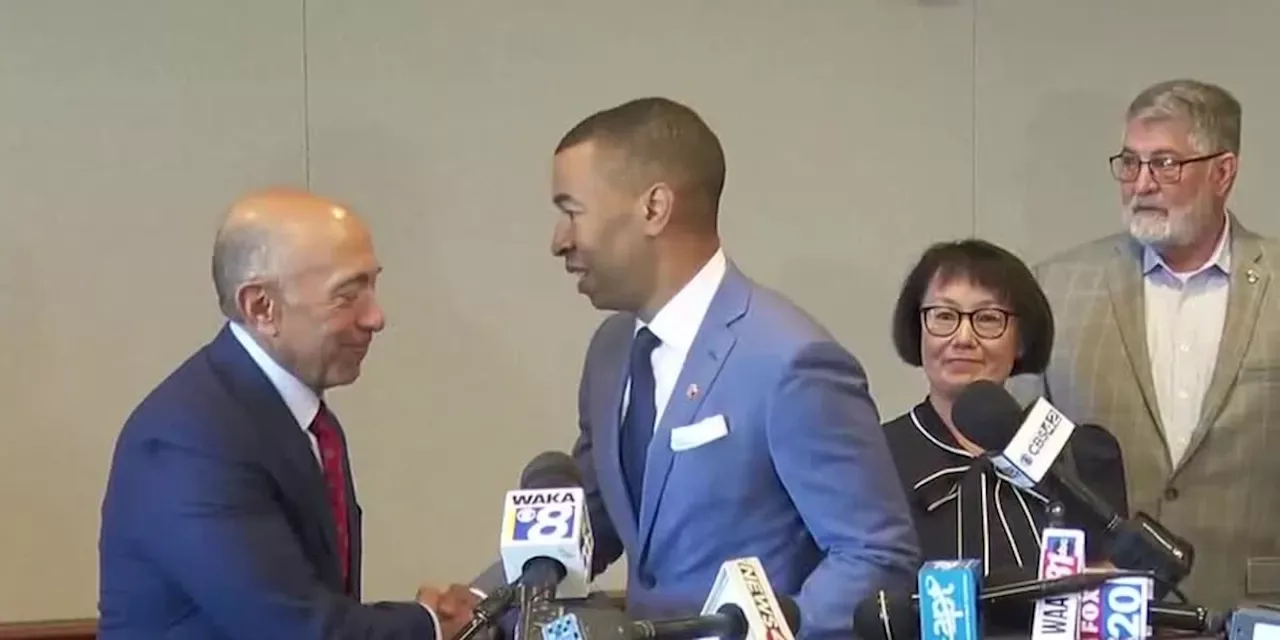
Alabama Amendment 1, set for a vote in the 2026 primary election on May 19, would expand Aniah's Law to include two additional violent crimes in the list of offenses for which judges can deny bail to accused criminals. The state's Big 10 mayors are urging voters to support the measure as a public safety measure.
The mayors argue the expansion is necessary to prevent accused violent offenders from committing additional crimes while awaiting trial. Dothan Mayor Mark Saliba described it as critical to protecting communities, noting that reoffending while out on bond has been a persistent problem in Alabama and in his city specifically.
Aniah's Law was first approved by voters in 2022. The original law added violent crimes to the list of offenses that could result in bail denial. It is named for Aniah Blanchard, who was killed by a man who was out on bond at the time facing murder and kidnapping charges.
Before Aniah's Law took effect, Alabama law generally granted individuals the right to bond in virtually all cases. The law changed that framework by giving judges discretion to hold violent crime suspects without bond.
Mobile Mayor Spiro Cheriogotis, who previously served as a judge, emphasized the importance of judicial discretion. "A judge needs to have the ability to make the determination — should they be held without bond or not," he said. Cheriogotis noted that many tragedies, particularly those involving children, stem from the types of charges covered under the law.
Saliba said the expansion addresses strain on Alabama's criminal justice system. While police departments face challenges and the judicial system operates under heavy caseload, he argued that curbing violent crime through bail denial mechanisms remains a priority. "Voting yes on Amendment 1 is really what we're striving for today," Saliba said.
The amendment reached the ballot after the state legislature passed enabling legislation in 2025, clearing the way for voter consideration in the May primary.