The Bank of England is poised to deliver a significantly downgraded assessment of the UK's economic outlook, with growth forecasts expected to fall sharply as multiple headwinds converge on the British economy. The central bank's report, scheduled for release Thursday, will reflect mounting pressures stemming from global conflicts, domestic policy changes, and an energy crisis that has destabilized business confidence across sectors.
Business confidence has deteriorated substantially, with thousands of financially strained firms already weakened by recent tax increases now facing heightened collapse risk. Oil prices have climbed to nearly $120 per barrel, while UK borrowing costs have risen sharply on global bond markets, signaling deteriorating financial conditions. The central bank is expected to warn of weaker growth and persistent inflation, though analysts anticipate interest rates will remain at 3.75 percent for now, with potential increases later in the year to combat inflation—a move that would further strain households and businesses already burdened by higher mortgage and loan costs.
Data from insolvency experts Begbies Traynor Group paint a dire picture. During the first quarter of the year, 62,193 firms entered critical financial distress, representing a 36.9 percent increase compared to the same period in 2025. The hospitality and leisure sectors face particular vulnerability, caught between rising labor costs from minimum wage increases and heightened national insurance contributions. Julie Palmer, managing partner at BTG, warned that many of these struggling businesses risk failure this year.
Private sector forecasters have already begun revising their outlooks downward. Lloyds Bank reduced its UK growth forecast for this year from 1.2 percent to 0.5 percent, citing stagflationary pressures and collapsing business confidence. The National Institute of Economic and Social Research has issued a more severe warning, predicting the crisis could push the UK into recession, drive inflation to 5 percent, and cost the economy £68 billion over the next two years.
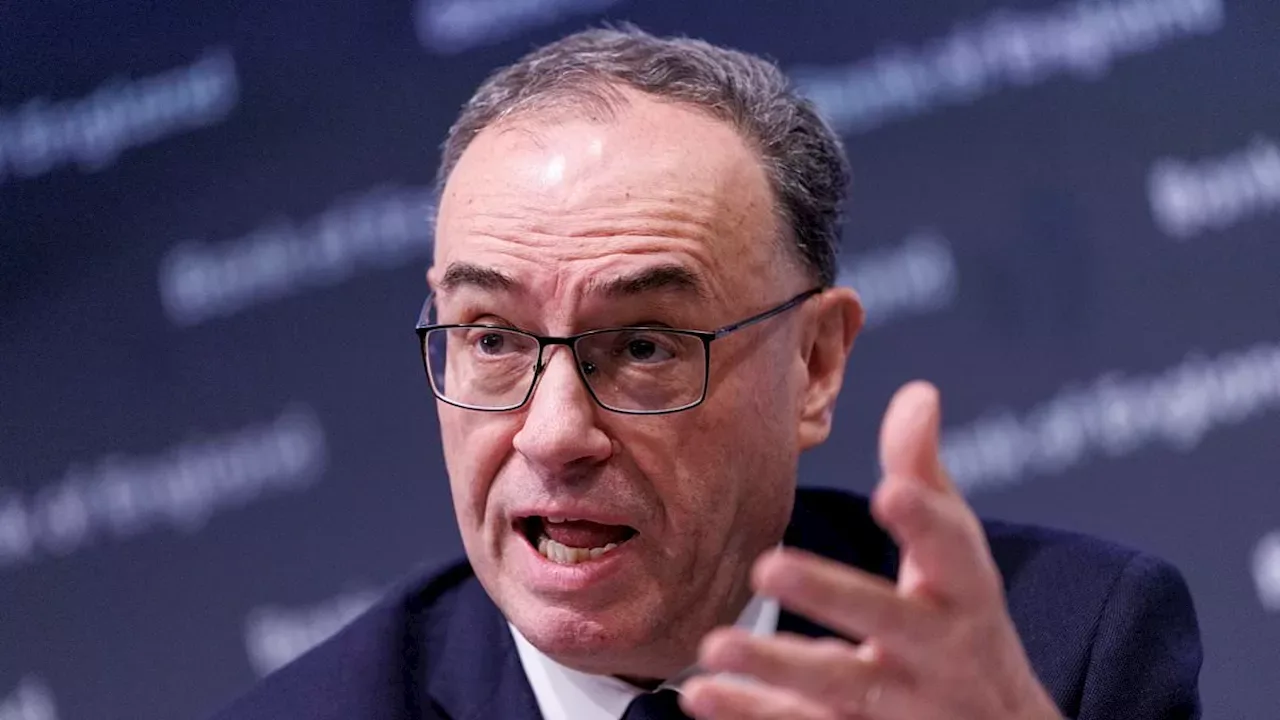
The Bank of England's previous forecasts, which anticipated 0.9 percent growth for 2024 and 1.5 percent for 2027, now appear substantially too optimistic. Governor Andrew Bailey has acknowledged the severity of the global energy shock, describing it as unprecedented in recent memory. Political criticism has intensified, with Shadow Chancellor Sir Mel Stride accusing the government of ignoring economic warnings and exacerbating the crisis through tax measures.