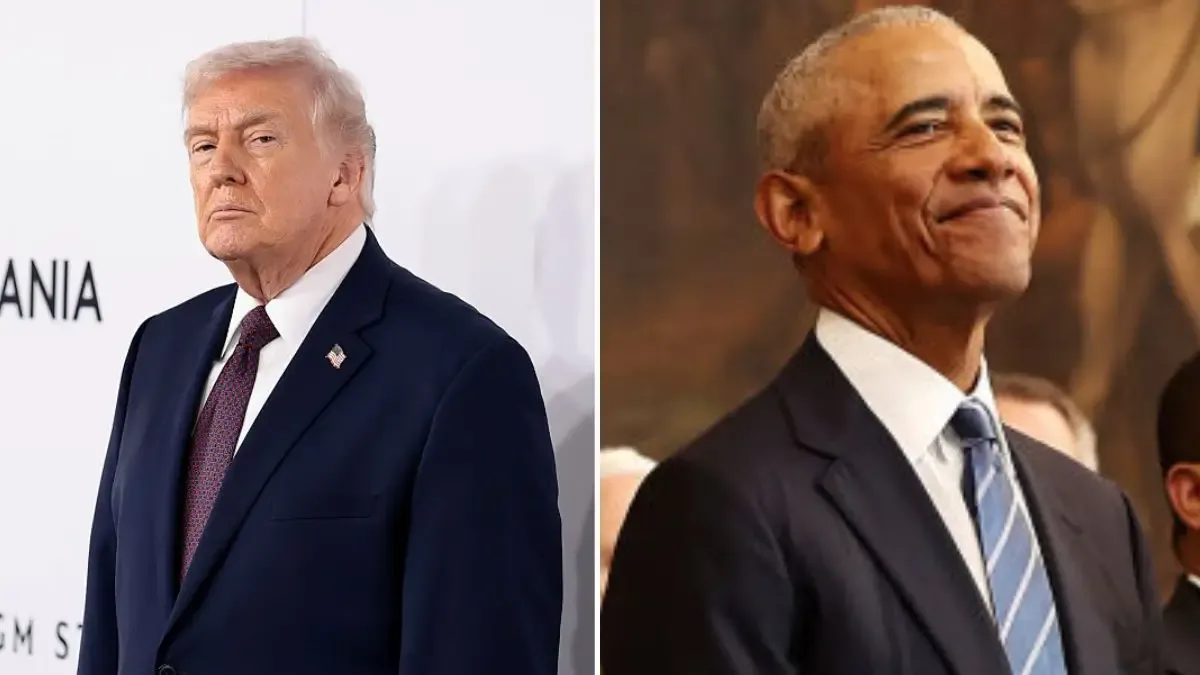
Democrats are attempting to rebuild their coalition with blue-collar voters by recruiting candidates who embody a working-class aesthetic, a shift that underscores how badly the party's favorability has deteriorated in recent years. A CNN poll found just 28 percent of Americans view the Democratic Party favorably, compared to 32 percent for Republicans, marking a significant reversal for the opposition party.
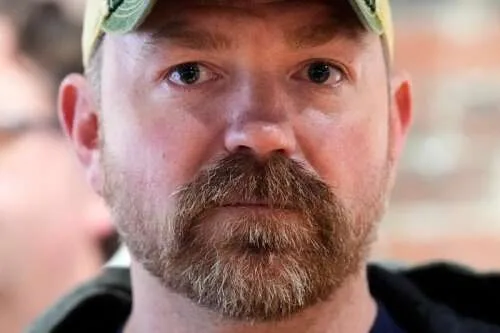
The strategy has crystallized around candidates like Graham Platner, a Maine candidate running as an oyster farmer and Iraq war veteran with the visual trappings of blue-collar appeal—plaid shirts, tattoos, and a rugged persona. Yet scrutiny of his background reveals a stark disconnect between his public image and his actual origins. Platner grew up as the son of a prominent Maine family; his father was a lawyer and his grandfather a world-famous architect. He attended an elite Connecticut prep school costing $75,000 annually before moving to another exclusive private institution.

The candidate has faced significant backlash over social media posts and personal history. Reddit posts attributed to him describe himself as an "antifa supersoldier" and "communist," contain derogatory language about Jewish people, defend violence as necessary against perceived fascism, and praise Hamas. Most controversially, Platner wore a skull-and-crossbones tattoo on his chest for 18 years—a symbol associated with Nazi Holocaust units—before claiming he was unaware of its significance and having it re-tattooed. Former campaign staff have disputed his account, suggesting he understood the symbol's meaning.
The broader pattern reflects Democratic struggles. Democratic favorability stands at net-negative 22.4 percent according to RealClearPolling averages, while Republicans maintain a four-point favorability advantage despite controlling the White House and facing sustained negative media coverage. Trump himself polls 8 points higher on favorability than Democrats collectively.
In the 2026 midterms cycle, Democrats hold a 5.7-point advantage on the generic congressional ballot, but political analysts note this lead is not commanding given the historical pattern of the president's party losing ground at midterm elections. The party's efforts to construct a populist alternative to Trump's appeal, while moderating its image on issues like immigration and law enforcement, have produced candidates whose records complicate their carefully crafted personas.