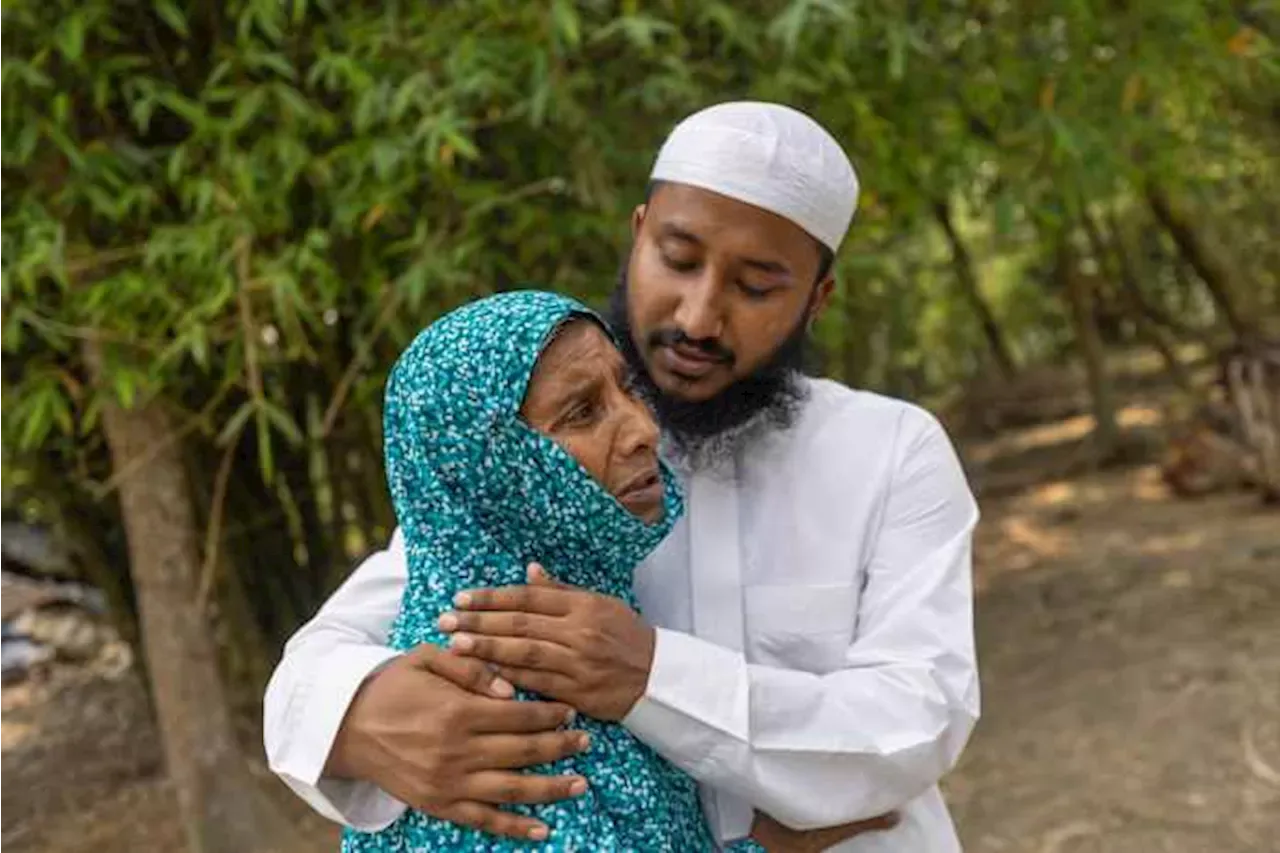
Millions of migrant workers laboring across the Middle East confront a deepening dilemma as conflict between the United States, Israel, and Iran has claimed the lives of foreign workers while threatening the remittances that sustain economies back home. Mohammad Abdullah Al Mamun, a 35-year-old Bangladeshi who had spent 15 years working in Saudi Arabia, died in March after suffering severe burns at his workers' camp. He was among more than two dozen foreign workers killed in the region following the outbreak of hostilities in February.
Mamun had planned to return home this year to build a larger house with his savings and spend time with his six-year-old son, whom he had met only once. Instead, his family received phone calls on March 9 informing them of his injuries. Video footage shot by a coworker showed him severely burned and bleeding, calling out for help. His mother, Shahida Khatun, had urged him to come home when the war began, but he continued working to accumulate savings.

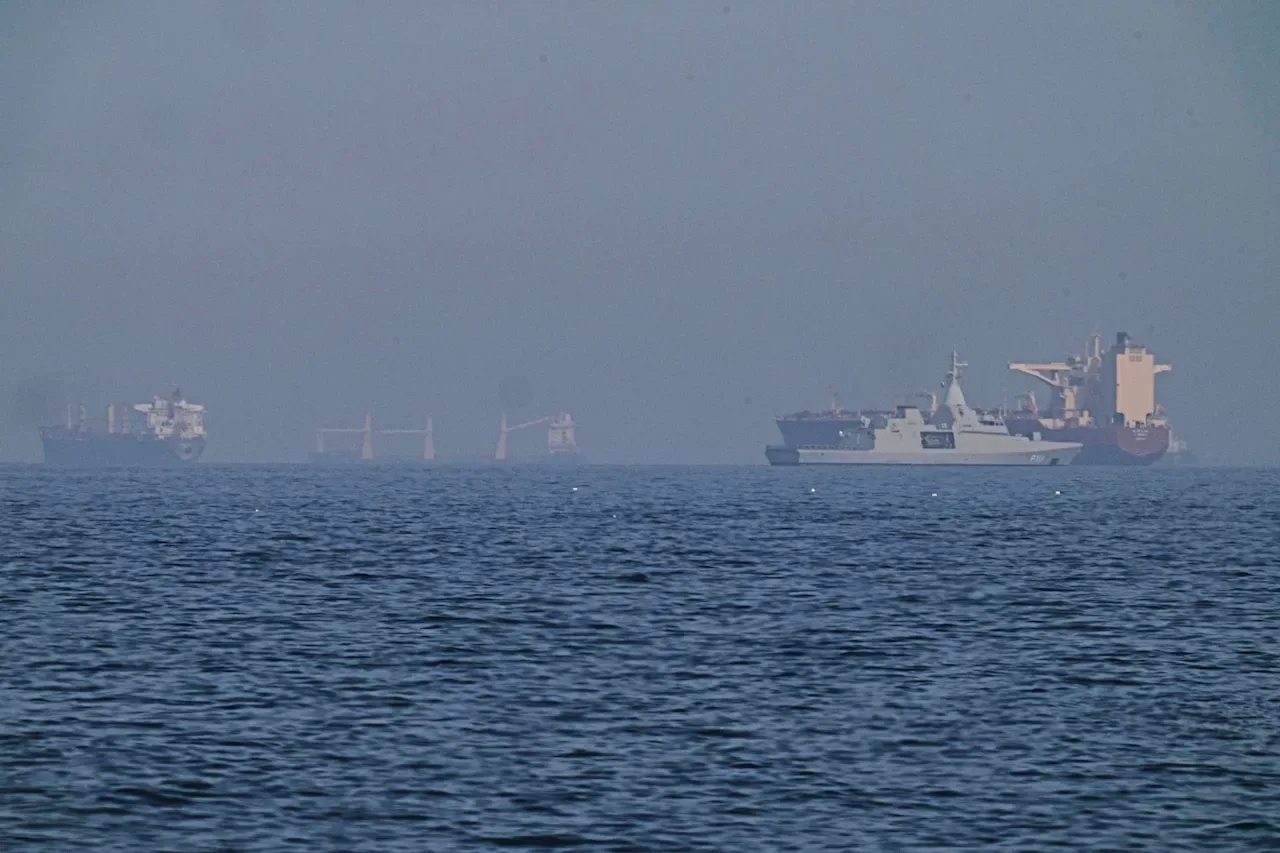
The vulnerability of migrant workers stems from their role in the region's economies. Millions from Asia and Africa perform the lowest-paid labor at oil facilities and construction sites, often with minimal protections. The Coalition for Labour Justice for Migrants in the Gulf reports that few workers had access to bomb shelters during the conflict and many were stranded. The group documented at least 24 foreign workers killed in the Gulf region and four in Israel, including eight mariners killed at sea.
For countries dependent on remittances, the situation compounds existing economic hardship. These payments constitute approximately 1% of India's gross domestic product, 3% to 5% for Bangladesh, Pakistan, and Sri Lanka, and nearly 10% for Nepal. As household incomes face strain and governments seek foreign currency to purchase fuel, workers feel trapped between danger and economic necessity.
A 27-year-old Bangladeshi factory worker in Qatar continues his 12-hour shifts despite missiles flying overhead, earning less than $400 monthly and sending two-thirds home. "We have no choice but to keep working," he said anonymously, fearing retaliation from authorities. Ahmed al-Aliyli, an Egyptian taxi driver in Qatar, has not sent money home for two months as his income dropped from $3,000 to roughly $1,000 monthly.
Activists warn that structural problems compound the crisis. While some Gulf states implemented reforms, work permits remain tied to single employers in many cases, leaving workers effectively stranded. The labor coalition cautioned that some employers may exploit the conflict to withhold wages, deny leave, or dismiss workers arbitrarily. A slowdown in construction and real estate will disproportionately affect workers from Bangladesh and Pakistan, who often labor informally without fixed contracts.
For some workers, the calculation remains weighted toward staying. Marlene Flores, a Filipino worker in Qatar, noted that tax-free pay and health insurance made the region feel safer than her home country despite the missile alerts. Filipino caregiver Jeremiah Supan continued caring for elderly charges despite near-daily warnings, uncertain whether his family could survive if he returned to the Philippines.