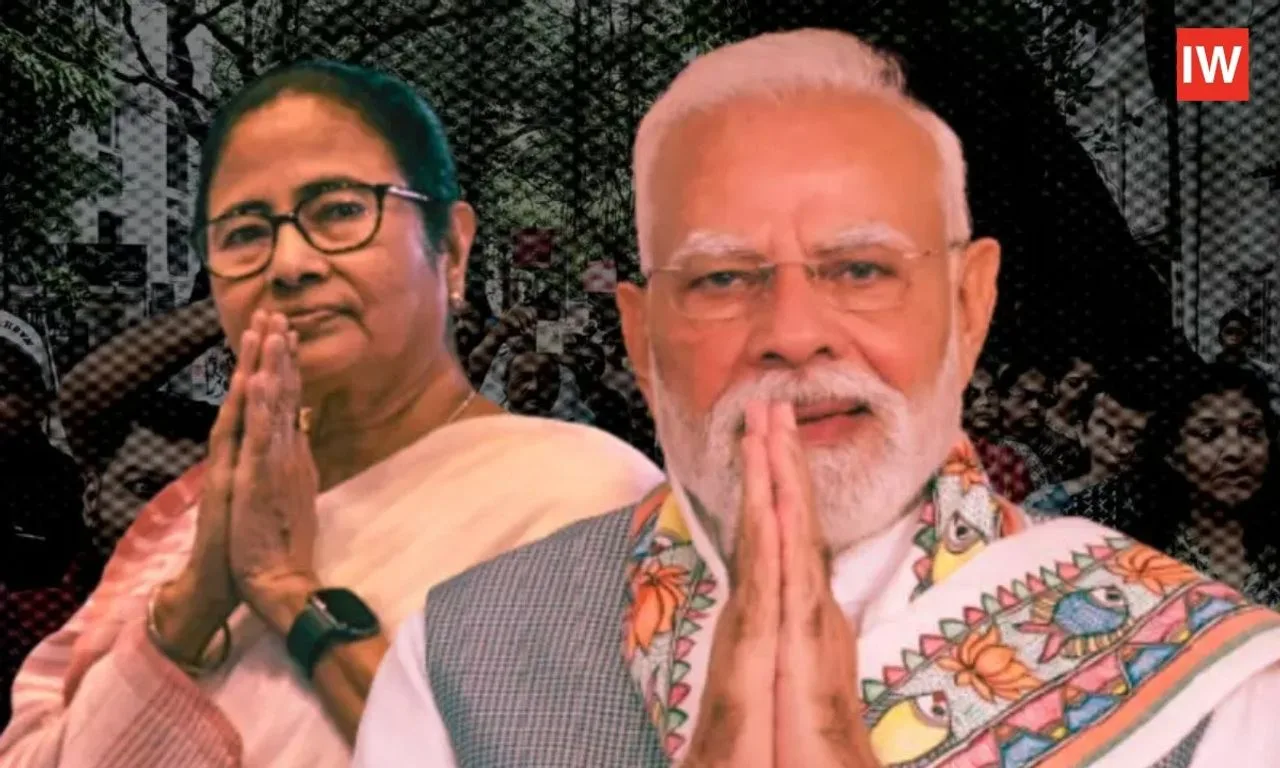
Counting in the 2026 West Bengal Assembly elections has shifted the political landscape dramatically, with the Bharatiya Janata Party establishing steady leads across regions and crossing the majority mark. The All India Trinamool Congress, which has governed West Bengal for 15 years under Mamata Banerjee, confronts its most serious electoral challenge to date as early trends signal a potential political realignment in the state.
The BJP's early leads suggest a clear trajectory toward the 148 seats needed for a majority in the 294-seat Assembly, provided counting trends stabilize. The party has gained consistent leads across multiple regions, indicating a broad momentum shift against the ruling party in what has become a predominantly two-way contest.

The election has been marked by aggressive positioning between Banerjee and Suvendu Adhikari, whose campaign has targeted traditional Trinamool strongholds and directly challenged the chief minister's leadership. The face-off has elevated the contest into a statewide leadership clash with significant implications for the state's political direction.
Voter composition shifts appear to have played a role in the outcome. The Special Intensive Revision of electoral rolls may have influenced the state's voter demographics in ways that affected the Trinamool's traditional support base, according to early result patterns.
The contest reflects a collapse of opposition space beyond the two main parties. The Congress and Left Front have failed to convert electoral presence into meaningful seat counts, leaving most constituencies as direct battles between the BJP and Trinamool. Intense campaigning centered on development, welfare promises, and ideological positioning has produced a fiercely contested election spanning urban and rural areas across the state.