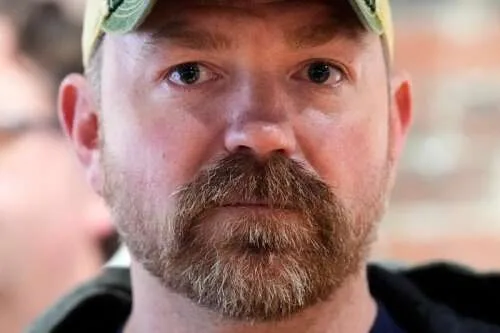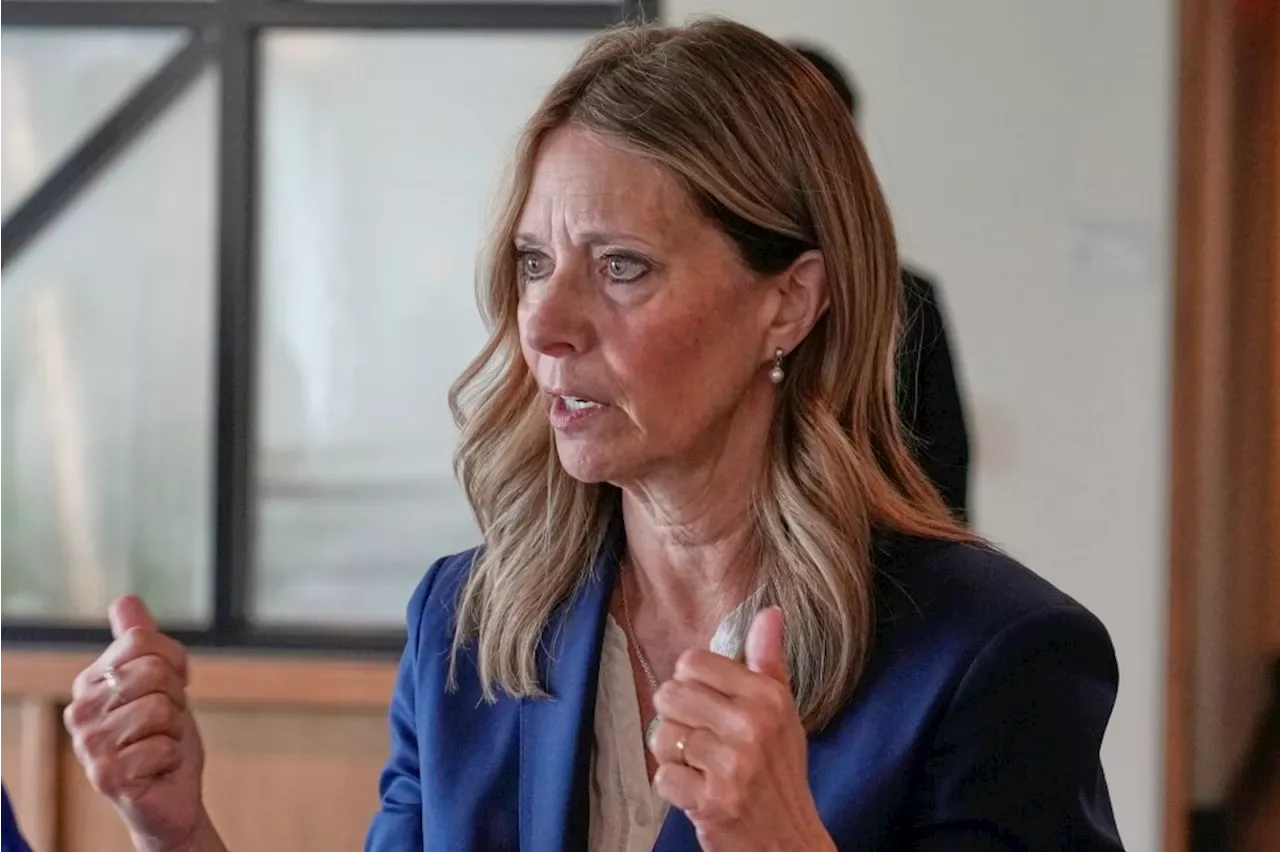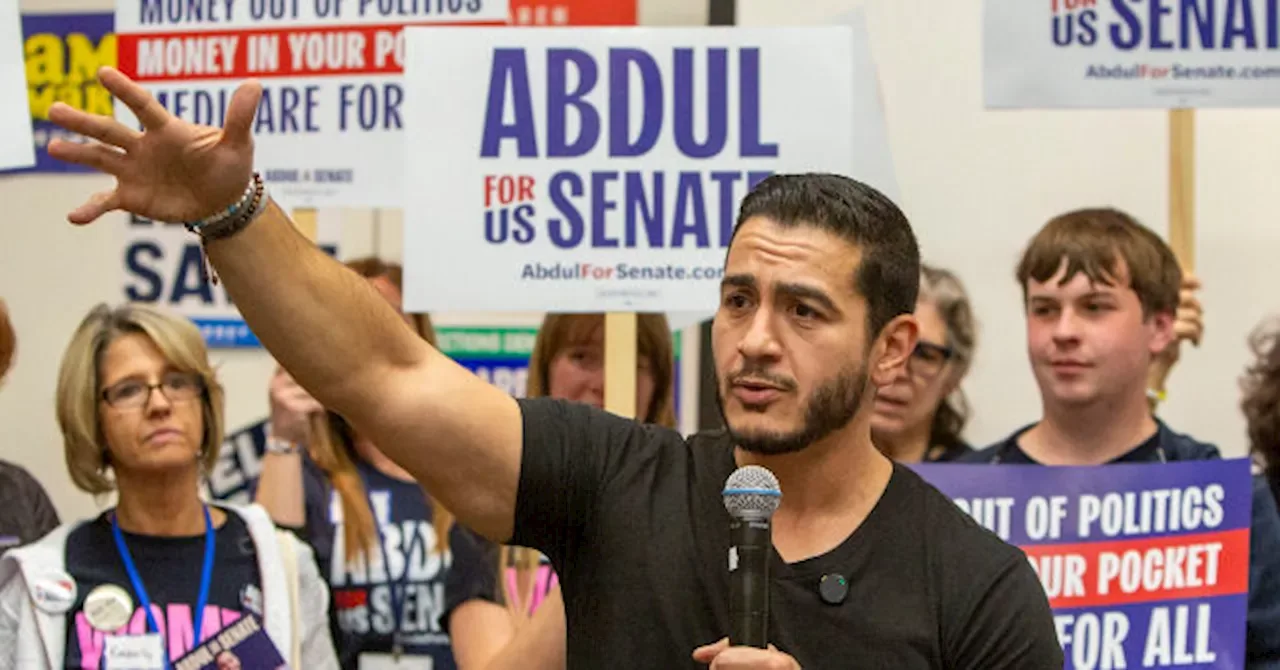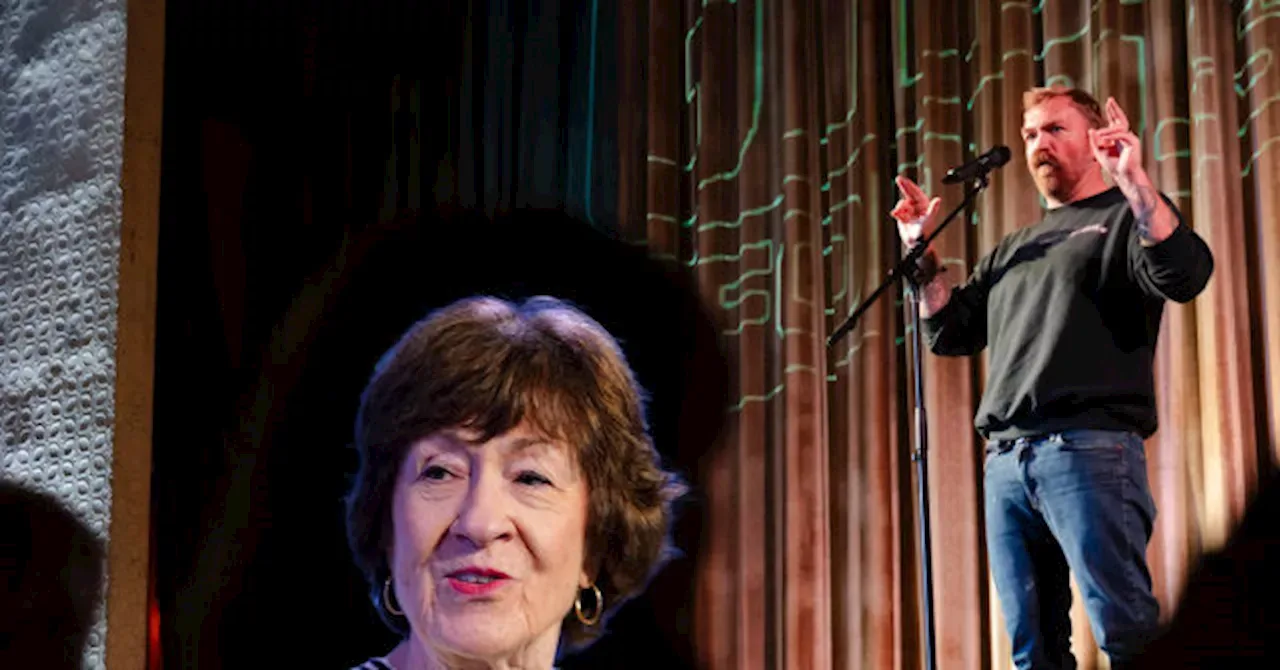
Jonathan Bush, a Maine gubernatorial candidate and nephew of former presidents George H.W. Bush and George W. Bush, argued that Republicans have a "much better chance of holding" Maine's Senate seat against Democratic Senate candidate Graham Platner, following Mills' exit from the race. Bush made the comments during an interview with host Matthew Boyle.
Bush criticized Platner's background and experience, describing him as unprepared for elected office. "He went to private school, got kicked out of Hotchkiss, so he went to another private school, and had unsuccessful experience after unsuccessful experience," Bush said. He also attacked Platner's current occupation, saying Platner "sells oysters to his mom" while presenting himself as a Maine fisherman. "He wouldn't last five minutes as a Maine fisherman, and yet he wants to navigate policy for the United States of America," Bush added, expressing optimism about the Republican position.

Bush characterized Mills' administration as politically toxic in the state. He described the officials and insiders surrounding Mills as a "little apparatchik class" viewed by Mainers as "poison." He attributed this perception to dissatisfaction with state spending and tax increases under Mills' tenure. Maine's state spending doubled during her administration, Bush claimed, growing from six billion dollars over two hundred years to twelve billion in eight years. He also stated that Maine's tax burden rose from the fifth highest in the country to the third highest.
The candidate offered a political assessment favoring Republicans statewide. He noted that "right track, wrong direction" polling suggests voters want change, and cited Republican enrollment gains as evidence of shifting momentum. "We're enrolling six new Republicans in town offices across Maine, for every one new Democrat enrolled," Bush said.
When asked whether he aligned with Trump or the Bush political legacy, Bush positioned himself as a "Maine guy" focused on state concerns. He argued that Augusta, Maine's capital, needed leadership similar to what Washington received when voters elected Trump—a business-oriented outsider unbeholden to political establishments. Bush called for a gubernatorial candidate willing to pursue "really great conservative politics" and understand "running things at scale" while remaining independent from political machines.