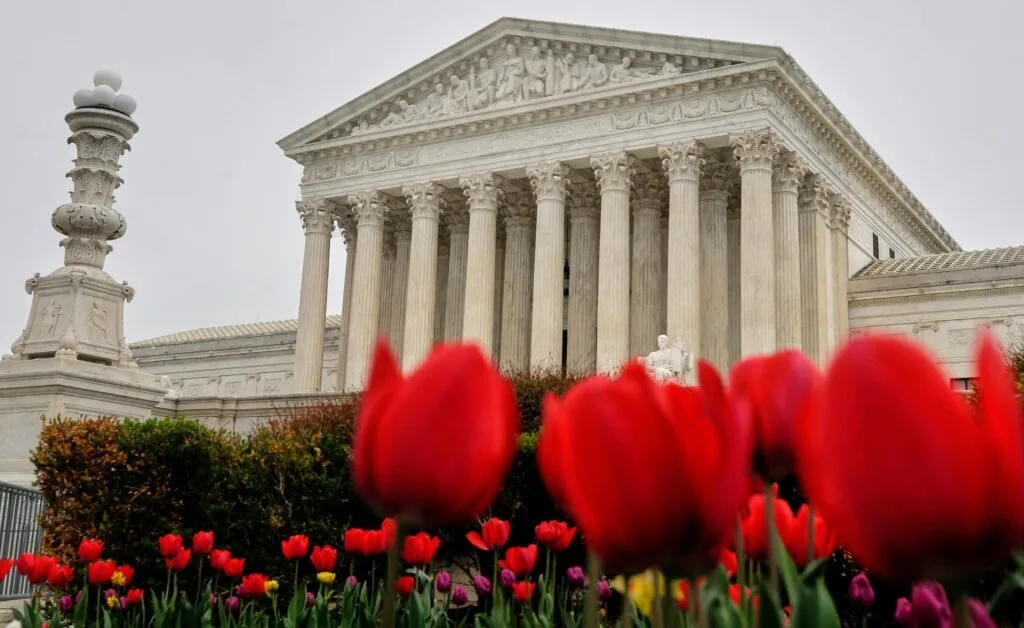
The Supreme Court's 6-3 decision has sharply constrained how states can consider race when creating congressional maps, with experts warning that Arizona's political districts could change significantly in the next redistricting cycle. The ruling effectively weakens a central provision of the Voting Rights Act that has been used for decades to challenge what advocates view as discriminatory voting maps.
The court determined that Louisiana's 2024 congressional map, which was redrawn to create a second majority-Black district, constituted an illegal racial gerrymander. The decision specifically limits how states can apply Section 2 of the Voting Rights Act, a tool rooted in the Civil Rights era that has served as what legal experts call a foundational mechanism for expanding democratic participation. Patty Ferguson-Bohnee, an Associate Dean and Director of the Indian Legal Clinic at Arizona State University, filed an amicus brief in the case and described the implications as significant. "Section 2 is the tool that's been seen as the crown jewel of the civil rights movement and has been foundational and expanding the democracy to people of all walks of life," Ferguson-Bohnee said, adding that the ruling will make it substantially harder for minority groups to challenge districts they believe are drawn unfairly.
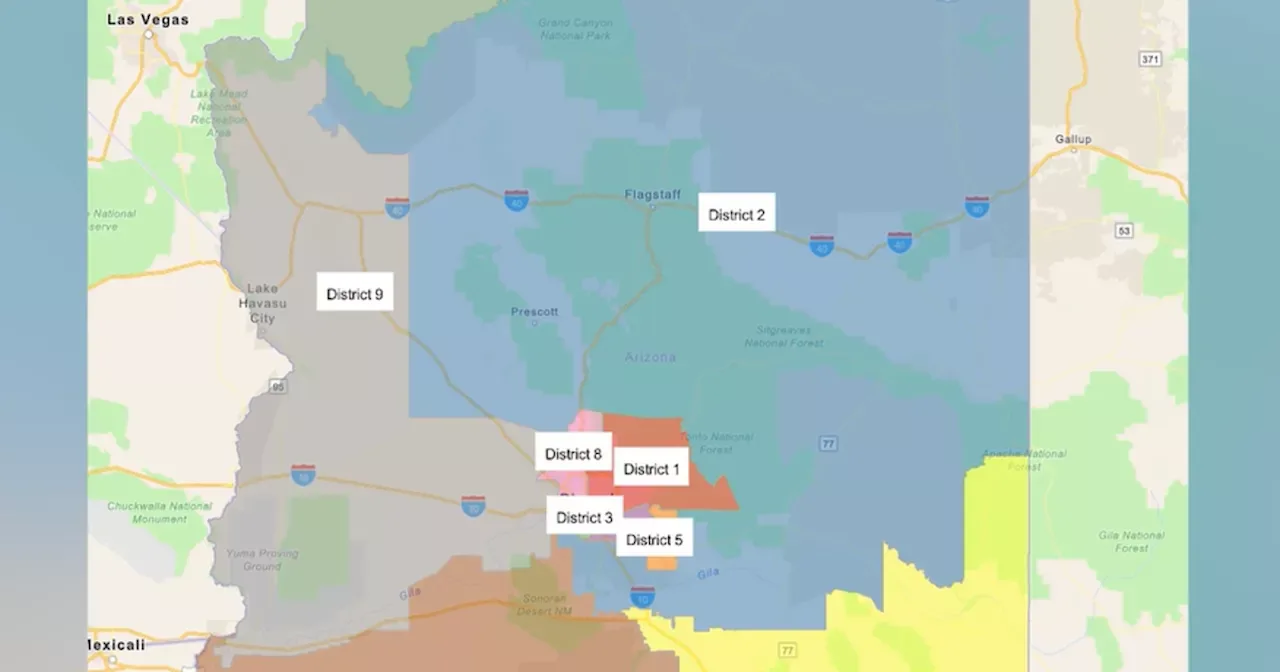
In Arizona, a bipartisan redistricting commission—rather than the legislature—holds responsibility for drawing the state's congressional and legislative districts. The commission weighs population, geography, district shape, communities of interest, and potential competitiveness while complying with the Voting Rights Act. Section 2 historically required that voting maps not dilute minority voting power, leading to the creation of majority-minority districts designed to give minority voters electoral influence in their own districts.
Stan Barnes, a former legislator and consultant with Copper State Consulting, noted that the court decision fundamentally alters the legal landscape. "Every politician in Arizona has known since the Voting Rights Act was ever done, that there must be a majority minority district that was taken for gospel. That seems to be out the door now," Barnes said. He warned that districts with heavy Hispanic populations—which were purposely designed to empower Latino voters and make them a majority within their own district—could face legal challenges under the new standard.
While some states are moving to redraw their maps before the 2026 midterms, Arizona's next redistricting will not occur until after the 2030 census, giving the state time to understand how courts will apply the ruling in practice.