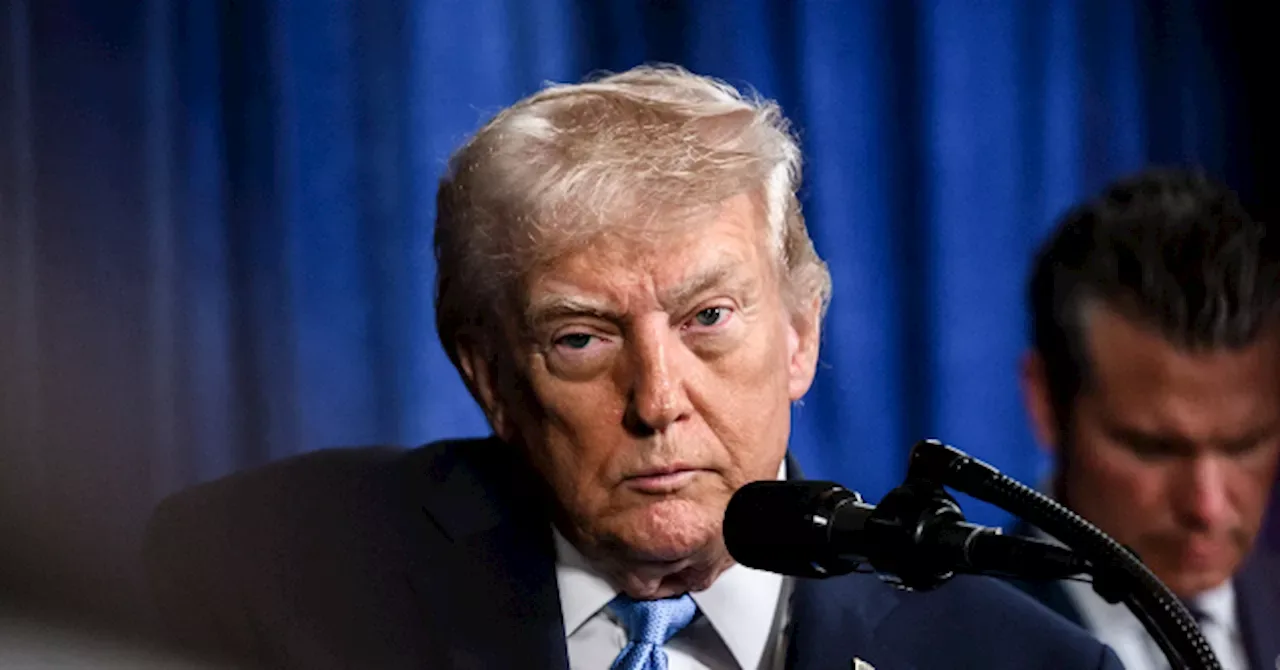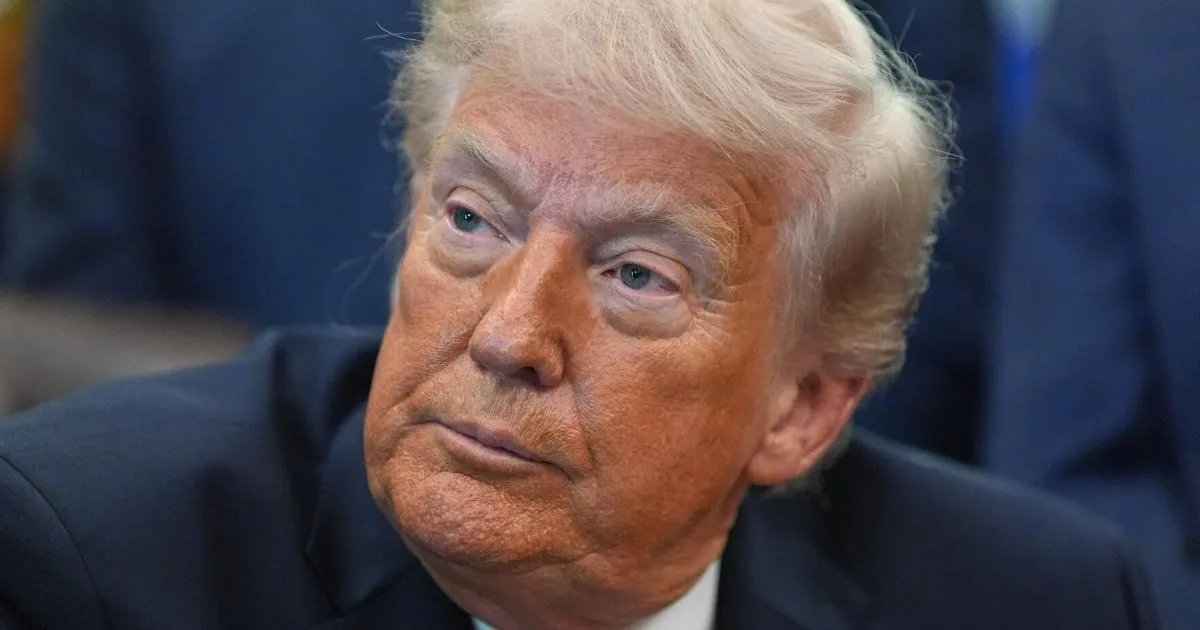
President Donald Trump said Friday that conflict with Iran is justified because the United States cannot allow the regime to acquire nuclear capabilities. Speaking to reporters at the White House, Trump characterized the stakes as existential, warning that an armed Iran would pose a direct threat to Israel, the Middle East, Europe, and ultimately the United States itself.
Trump acknowledged that his military posture would carry significant economic costs but maintained he was pursuing the right course of action. He rejected Iran's current negotiating position, telling journalists, "They're asking for things that I can't agree to," and expressed skepticism about Tehran's willingness to reach a lasting accord.

A senior Iranian official, according to Reuters, outlined a new proposal that would reshape the negotiation timeline. Under the framework, the immediate focus would shift toward ending the war, reopening the Strait of Hormuz, and lifting the U.S. blockade on Iranian ports. Nuclear discussions would be postponed to a later phase of talks. Iran formally presented this proposal to the United States through mediators, the official told Reuters.
The Iranian regime's terms include guarantees that neither the United States nor Israel would attack again. Future negotiations would then address Iran's nuclear program in exchange for sanctions relief, with Tehran also seeking U.S. recognition of its right to uranium enrichment for peaceful purposes.
Trump countered that he would not lift the military blockade without assurances Iran would not pursue nuclear weapons. He stated Iran's leadership was "very disjointed" and that while officials wanted a deal, internal divisions hampered their negotiating position. Trump told reporters the U.S. maintains "tremendous respect" for Pakistani mediators facilitating talks in Islamabad and that discussions were continuing by phone.
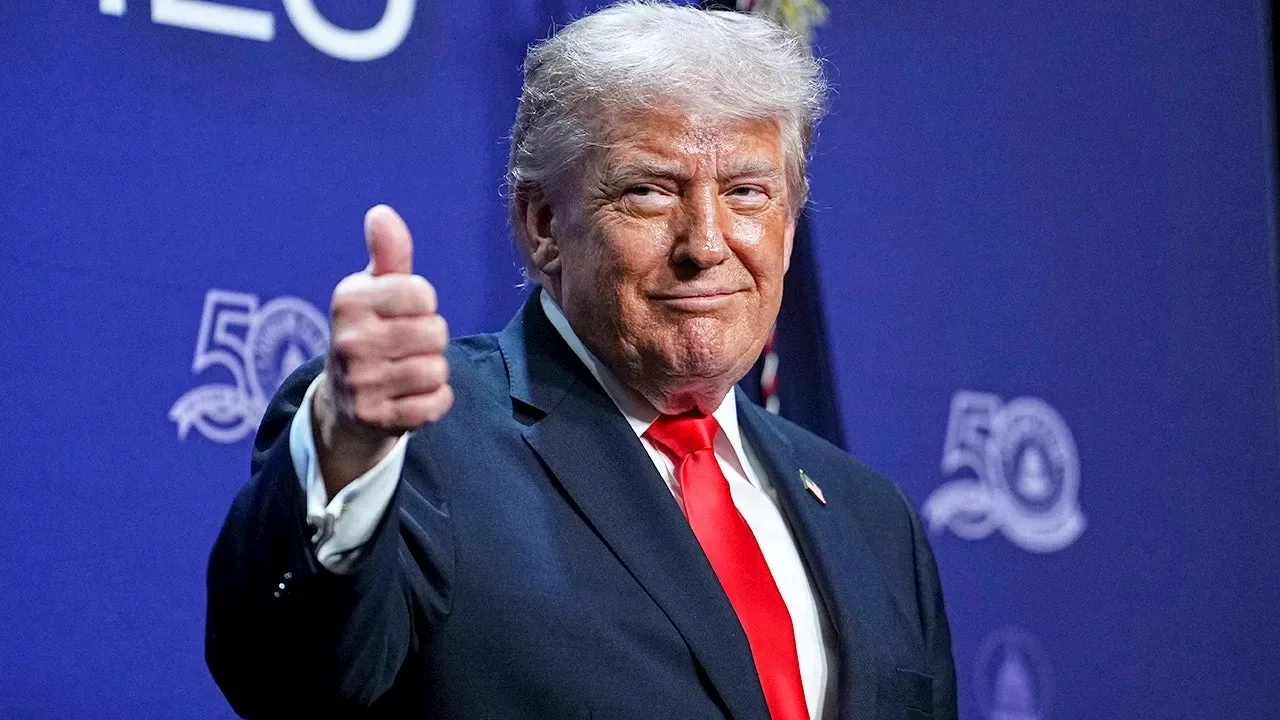
Repeating his position during remarks in Florida later Friday, Trump underscored his red line. "You cannot give Iran a nuclear weapon," he said, emphasizing the regional and global consequences of allowing such an outcome.