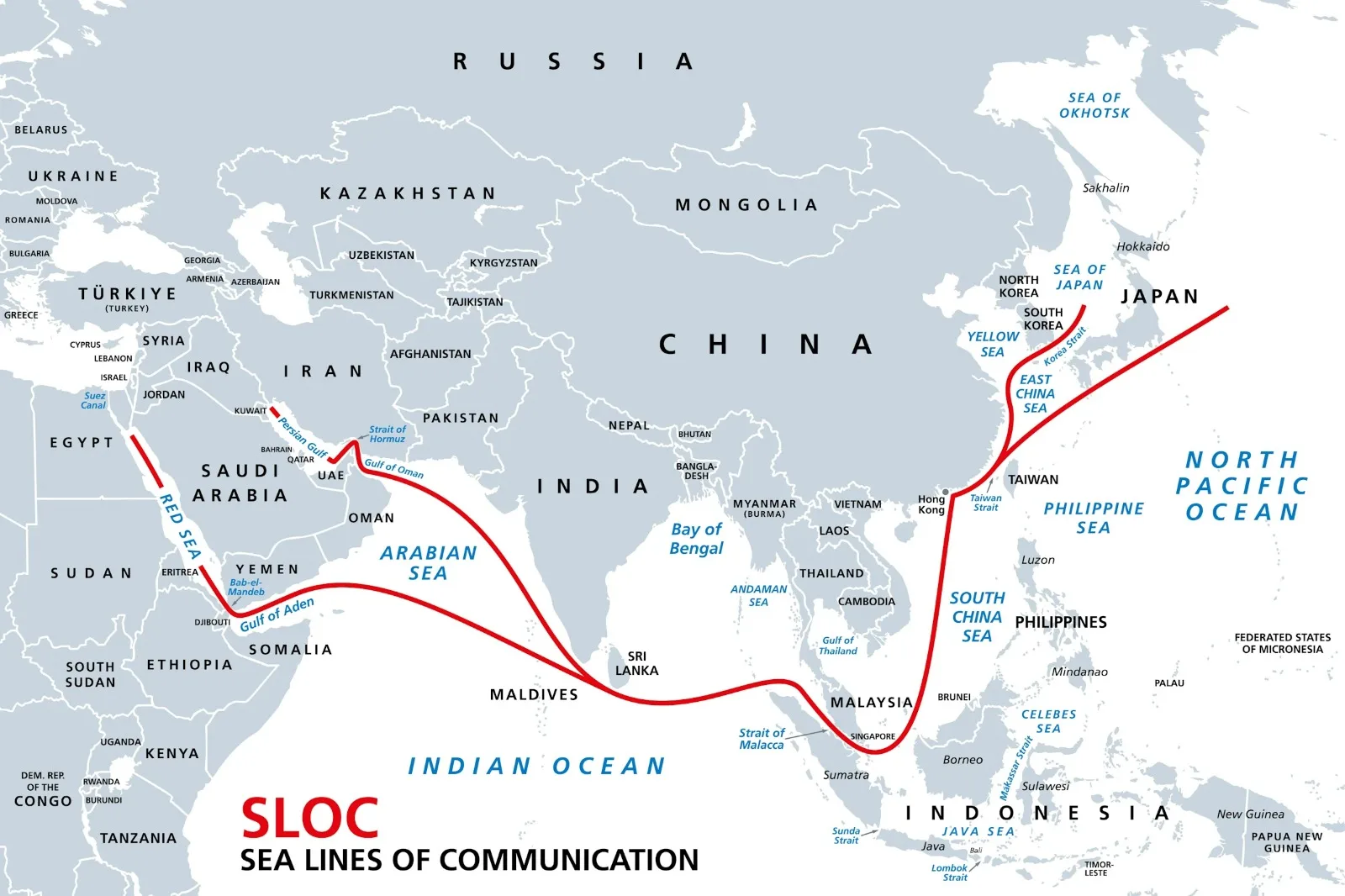
President Donald Trump has escalated his rhetoric on Iran's oil crisis, claiming that a U.S. blockade of the Strait of Hormuz will soon trigger catastrophic damage to Tehran's oil infrastructure. Speaking to reporters at the White House last Thursday, Trump stated: "If they don't get their oil moving, their whole oil infrastructure is going to explode." He doubled down during a Fox News appearance Sunday, warning that Iranian oil pipelines would "explode from within" if exports don't resume, adding that experts tell him Iran has "about three days left before that happens."
Energy experts and analysts, however, reject these predictions as fundamentally flawed. Rosemary Kelanic, director of the Middle East Program at the Defense Priorities think tank, directly challenged the characterization: "That is not how it works. Nothing is going to self destruct." Mark Finley, a fellow in energy and global oil at Rice University's Baker Institute, countered that Iran has demonstrated the capacity to maintain its oil operations, noting that abundant empty tankers and domestic refining networks provide alternatives to strait-based exports.

Columbia University's Center on Global Energy Policy issued a formal analysis concluding that even if Iran exhausts its storage capacity, the result "will not cause catastrophic, or even very serious, damage" to its oil industry. While shut-in operations—where water and gas contaminate reservoirs—can produce long-term deterioration, explosions are not a documented consequence of such scenarios.
Shipping data from TankerTrackers.com indicates approximately 45 million barrels of storage capacity exists in empty tankers within the blockade zone, equivalent to roughly six weeks of Iran's normal export output. Iran also maintains millions of barrels in inland storage facilities, according to analytics firm Kpler.
Treasury Secretary Scott Bessent claimed Monday that Iranian production was already declining due to the blockade. A Treasury Department spokesperson stated that Kharg Island, Iran's primary export terminal, was approaching storage capacity at a cost of approximately $170 million daily in lost revenue.
The blockade has created broader economic ripple effects. Gas prices in the United States have risen to $4.23 per gallon from below $3 before the February onset of the conflict, placing mounting pressure on American consumers as the Strait closure continues.