In Louisiana v. Callais, decided Wednesday, the Supreme Court nominally preserved Section 2 of the Voting Rights Act of 1965 while gutting its practical effect, according to civil rights advocates and attorneys. The conservative majority sided with a group of non-African American voters challenging Louisiana's congressional map, which the state had redrawn to include two majority-Black districts after a federal court found the previous map illegal under the Voting Rights Act.
Louisiana's population is approximately 33 percent Black. In 2022, federal courts ruled that the state's original map violated Section 2 by failing to provide minorities the opportunity to elect candidates of their choice, meaning Louisiana should have drawn two majority-Black districts out of its six total congressional seats. The state complied in 2024, but non-African American voters then sued, claiming they faced racial discrimination. A federal district court sided with those voters, and the Supreme Court ultimately upheld that decision.

Justice Samuel Alito wrote in the majority opinion that "the Constitution almost never permits the Federal Government or a State to discriminate on the basis of race," framing the case as whether compliance with the Voting Rights Act qualified as a compelling government interest that could justify racial discrimination.
Alanah Odoms, executive director of the ACLU of Louisiana, told Salon that the ruling stripped away protections that Black Louisianans had fought generations to obtain. "The Supreme Court has gutted the last pillar of the Voting Rights Act. This decision doesn't just weaken voting rights, it obliterates them," Odoms said.
Hilary Harris Klein, senior counsel for the Southern Coalition for Social Justice, characterized the Voting Rights Act as the "crown jewel" of the Civil Rights Movement and said the decision effectively reverts voting rights law to the pre-1965 era. Klein noted that the Court's new standard—examining the intent of those drawing maps rather than the actual effect on minority voters—creates an escape route for legislators engaged in racial gerrymandering, as intent is far harder to prove than demonstrable outcomes.
Charles Taylor, a state organizer for the Mississippi NAACP, warned the decision could usher in "Jim Crow 2.0." He predicted that Mississippi's government would move aggressively to eliminate Black legislative seats and dilute Black voting power across state legislative and state supreme court districts. Taylor noted that Mississippi's governor has already announced plans to call a special redistricting session.
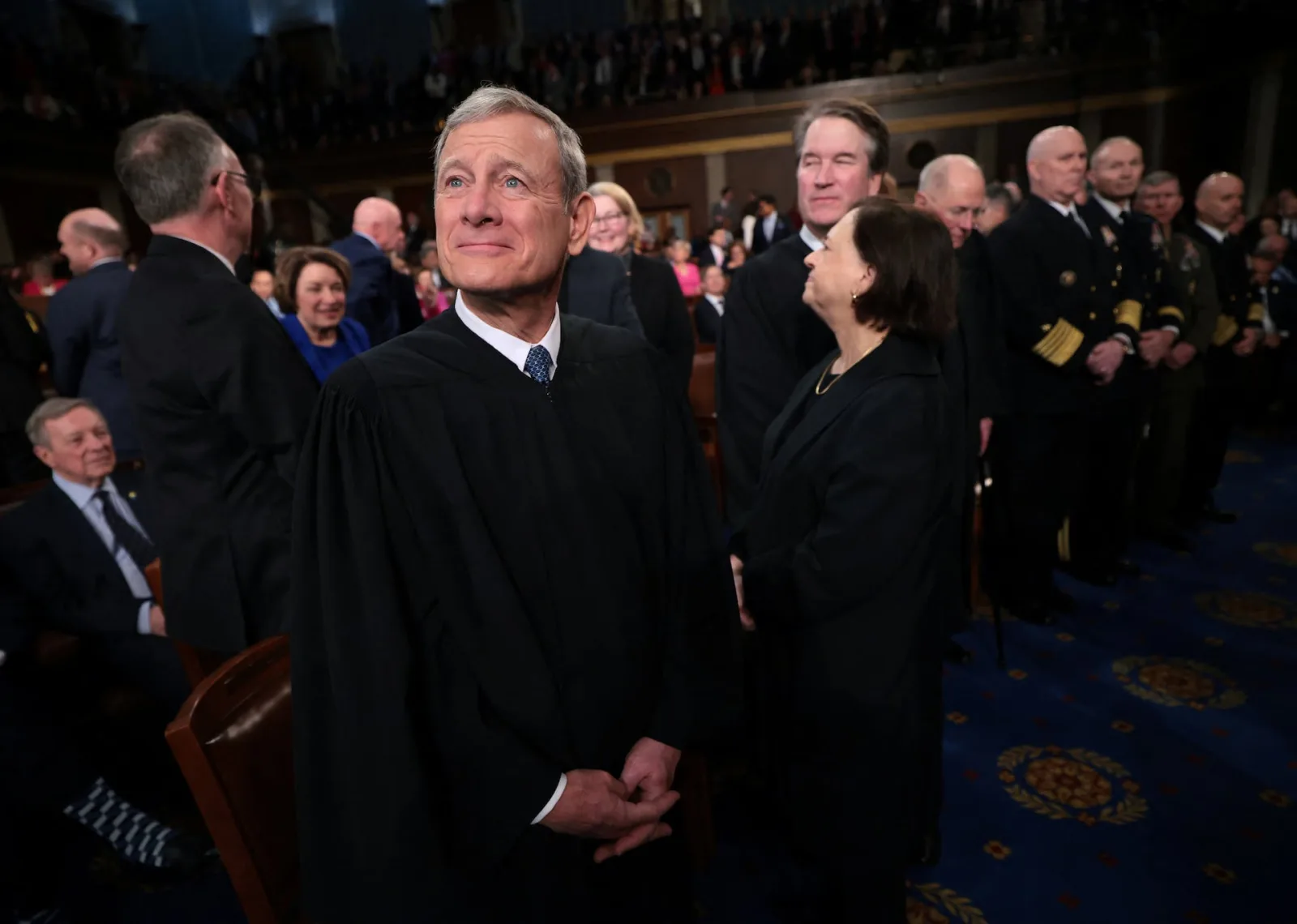
Rhyane Wagner, senior policy manager at the Black Voters Matter Fund, attributed the decision partly to Chief Justice John Roberts' long-standing opposition to the Voting Rights Act. She noted the irony that the Act was renewed in 2006 with overwhelming bipartisan support—390 to 33 in the House and unanimously in the Senate—and signed into law by President George W. Bush, yet has faced systematic dismantling in recent years through what Wagner described as "reverse racism" arguments.