Ayatollah Ali Khamenei's death in a late February airstrike has fundamentally altered Iran's power structure, fragmenting authority that was once concentrated in a single figure. The regime itself remains intact, but decision-making has shifted to a collection of high-ranking officials, according to analysts monitoring the Iranian leadership.
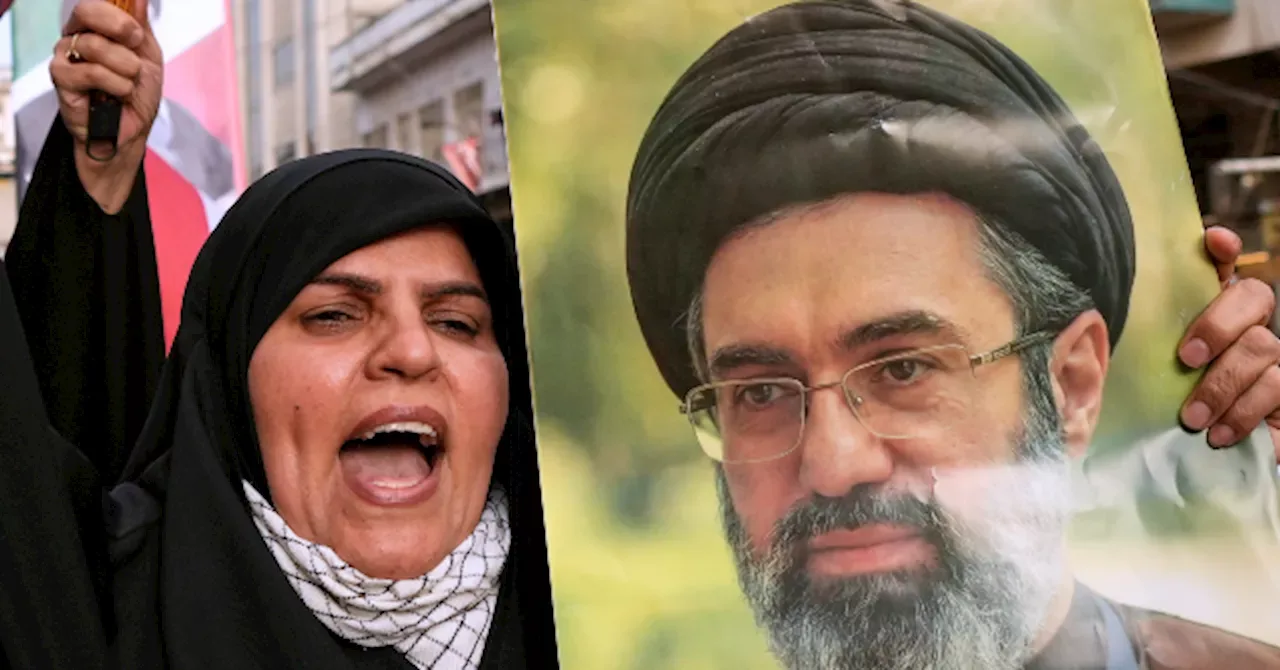
The Assembly of Experts elected Mojtaba Khamenei, the former supreme leader's son, to succeed him. However, Mojtaba Khamenei was severely wounded in the same attack that killed his father and has remained largely out of public view since his selection. Written statements issued on his behalf represent his only public communication, suggesting constraints on his ability to lead directly.

Hussein Banai, an associate professor of international studies at Indiana University and expert on Iran, characterized the current arrangement as delegation of authority from the new supreme leader to a coalition comprising the Islamic Revolutionary Guard Corps, the judiciary, and parliament. "It's the same regime," Banai said, noting that while new figures have risen to prominence following deaths among senior leaders, the fundamental governmental structure has not changed.
Mohammad Bagher Qalibaf, Iran's parliament speaker and former Revolutionary Guard commander, has emerged as a critical intermediary between competing power factions. Banai identified him as one of the few remaining senior officials who maintained strong ties to the previous supreme leader's preferred cohort and who commands substantial support among both the guards and conservative constituencies.
Foreign Minister Abbas Araghchi has become the most visible high-ranking official in Iran since the conflict began, serving as an adviser, diplomat, and primary negotiator with the United States over ceasefire terms involving the Strait of Hormuz closure, Iran's nuclear program, and related security issues.
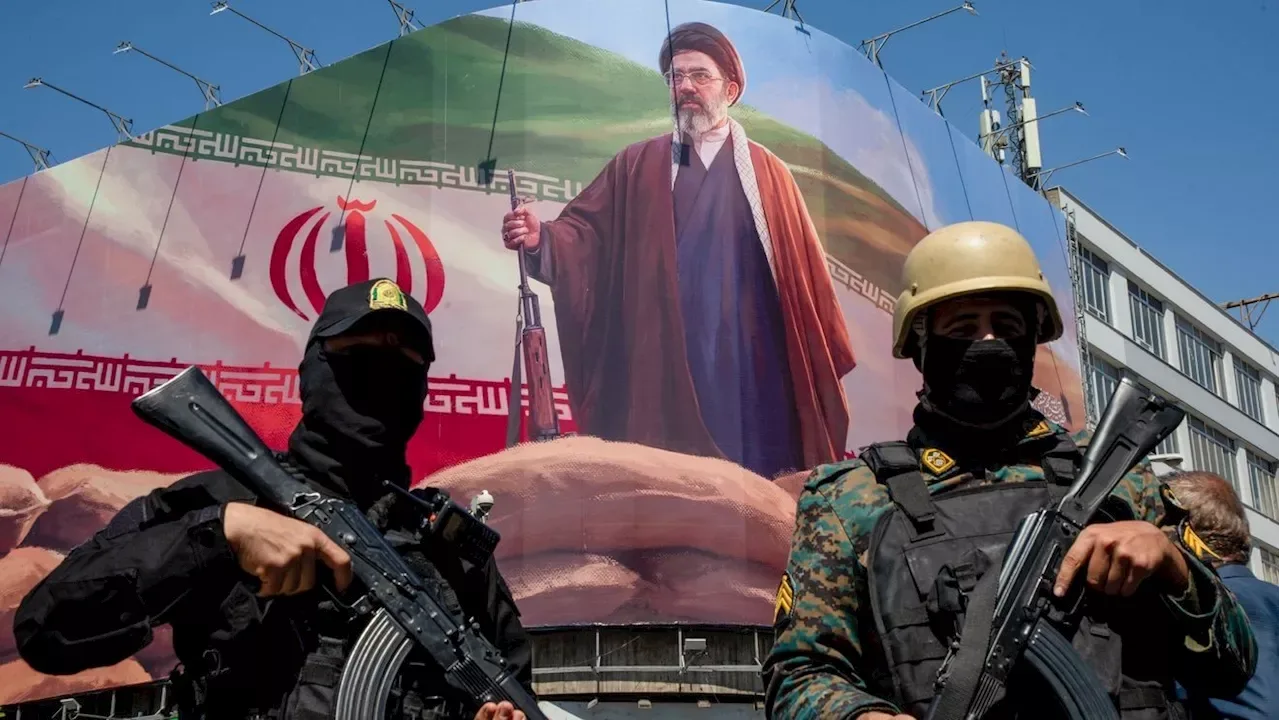
The IRGC holds what Gordon Gray, a former U.S. ambassador to Tunisia now teaching at George Washington University's Elliott School of International Affairs, described as a "monopoly of force in the country." The organization commands both security and economic power with few remaining institutional checks on its authority. However, Banai cautioned that the IRGC itself is not monolithic, with multiple factions holding divergent views on whether to adopt consultative approaches or impose decisions unilaterally.
The Trump administration has reportedly expressed frustration with the diffuse nature of Iranian decision-making, preferring a singular authority figure with clear power to negotiate and commit to agreements. The fragmented leadership structure complicates negotiations on critical security matters affecting both nations.