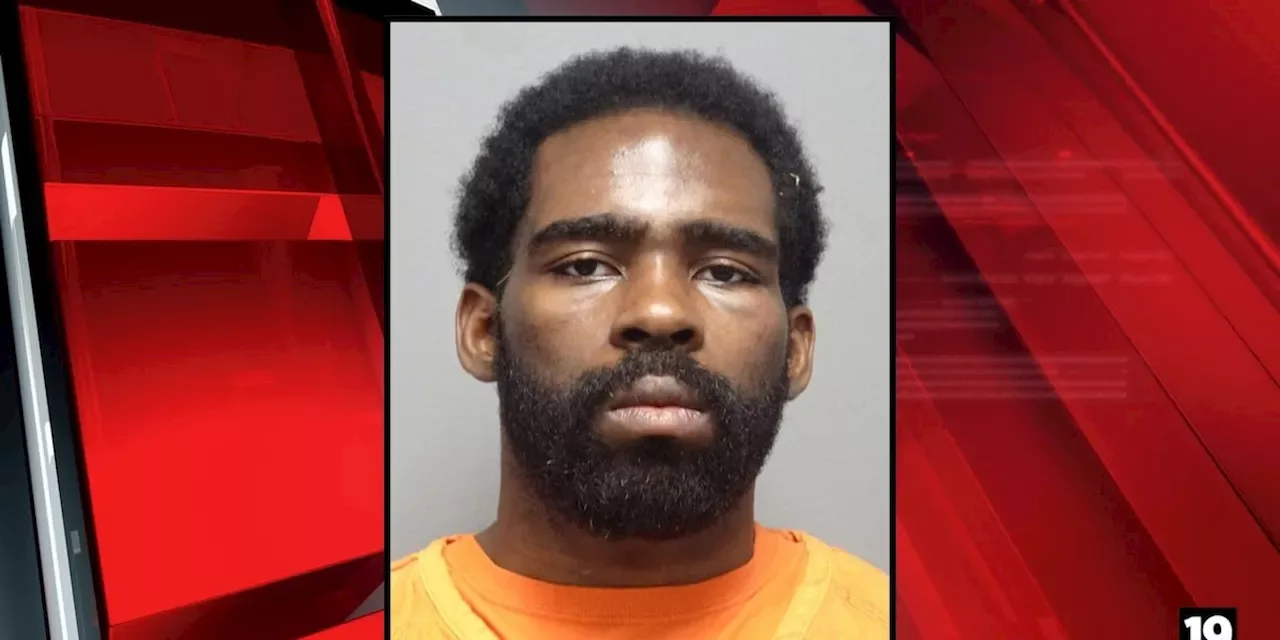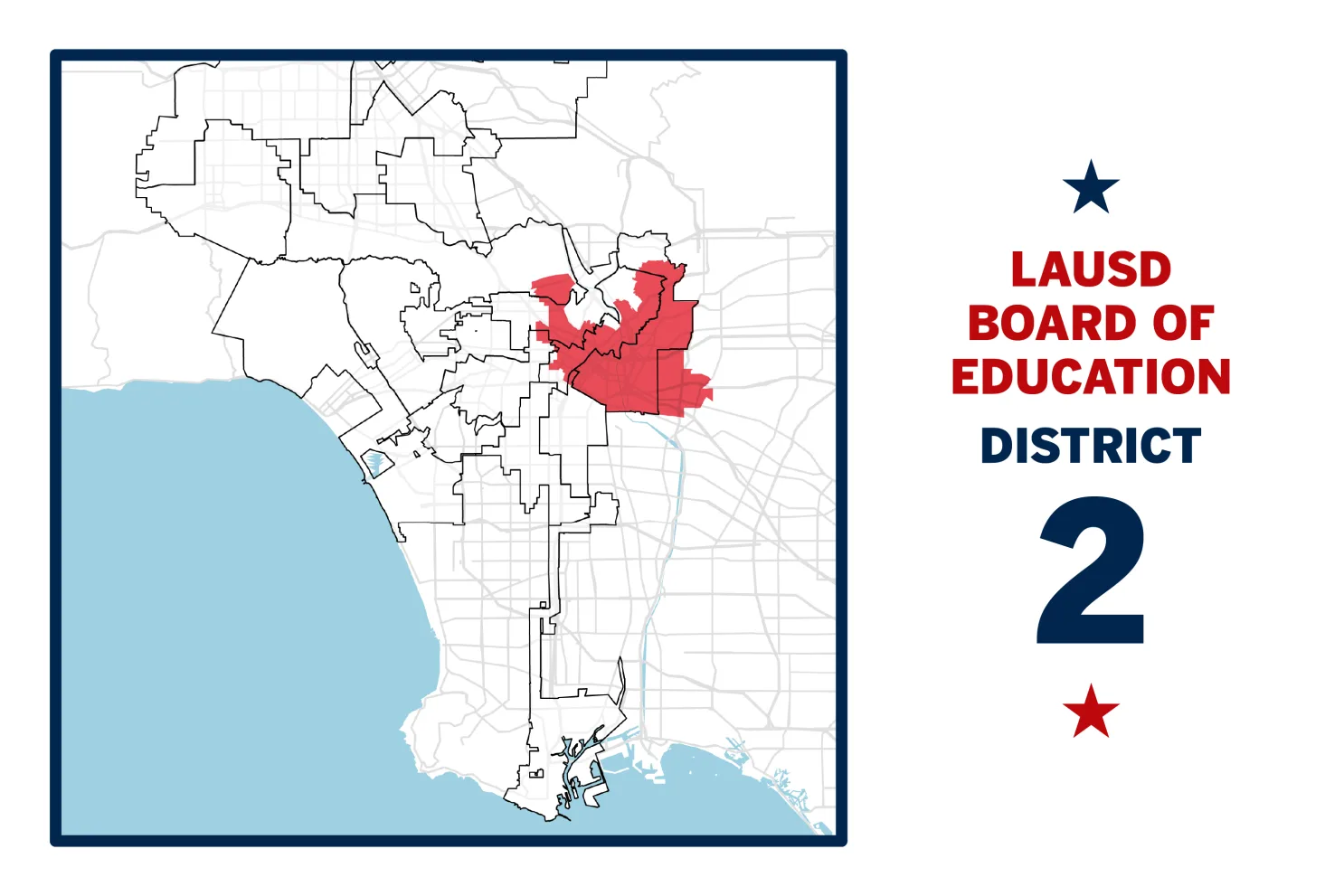
Democrats are fighting to hold a one-seat majority in Michigan's state Senate with a special election next week viewed as an early barometer of political momentum in a battleground state. The 35th Senate district seat has been vacant for nearly 18 months since Democratic Rep. Kristen McDonald Rivet moved to Congress. Three candidates are competing: Democratic candidate Chedrick Greene, Republican Jason Tunney, and Libertarian Ali Sledz.
Control of the chamber carries immediate consequences. If Republicans win, the Michigan Senate will split 19 to 19, eliminating Democrats' margin for error. Democratic Lt. Governor Garlin Gilchrist II would break tie votes, but Democrats would have zero flexibility—every member must be present to vote. The Democratic Legislative Campaign Committee President Heather Williams described the district as "one of the most competitive districts in the country."

The 35th District presents a paradox. Vice President Kamala Harris won it by barely 50 percent in 2024, yet the district includes parts of Saginaw, Bay, and Midland counties—all three carried by Trump. Democrats are betting they can win and build momentum heading into the 2026 midterms in what remains one of America's largest swing states.
Greene, a 30-year Marine veteran and fire captain who launched his campaign last September, is hearing consistent voter concerns on the ground. When asked about his message, Greene told the Daily Beast: "It sounds so cliche, but it is about affordability." He cited energy and fuel costs as primary frustrations, along with how federal spending decisions ripple down to state budgets.
Greene pointed to broader tensions over federal priorities. He said voters are "connecting the dots" between conflicts abroad and domestic spending cuts. "They do see that the war, the conflict in Iran, that they estimate will cost us $1 billion a day, and you ask for an additional $200 billion, but yet you say we're cutting waste, fraud and abuse, when what you cut was Medicaid, and you cut SNAP benefits that help these people in my district," he explained.
Notably, Greene reported hearing discontent from Republicans as well. Some GOP voters have told him they feel betrayed by unfulfilled campaign promises. "Hey, you know the president said he's going to do XYZ, and I believed him, and he's done zero of those things. He's only went the opposite way. He's only put money back into his friends' pocket," Greene recounted hearing from local Republicans.
Tunney, the Republican candidate and attorney, has avoided the Trump-centric messaging common in other GOP special election campaigns. His website and social media contain no references or images of the president. Instead, he has focused on school choice, right-to-work legislation, and tax reform.
Gov. Gretchen Whitmer has campaigned with Greene, while Republican Senate candidate Mike Rogers has backed Tunney. The race unfolds as Democrats have flipped 30 state-level legislative seats nationwide since Trump took office, including in Republican-leaning states. Recent polling suggests Democrats face improved prospects heading into November as public sentiment toward the president has cooled. The Michigan election could signal how far the political landscape has shifted in crucial battleground states.