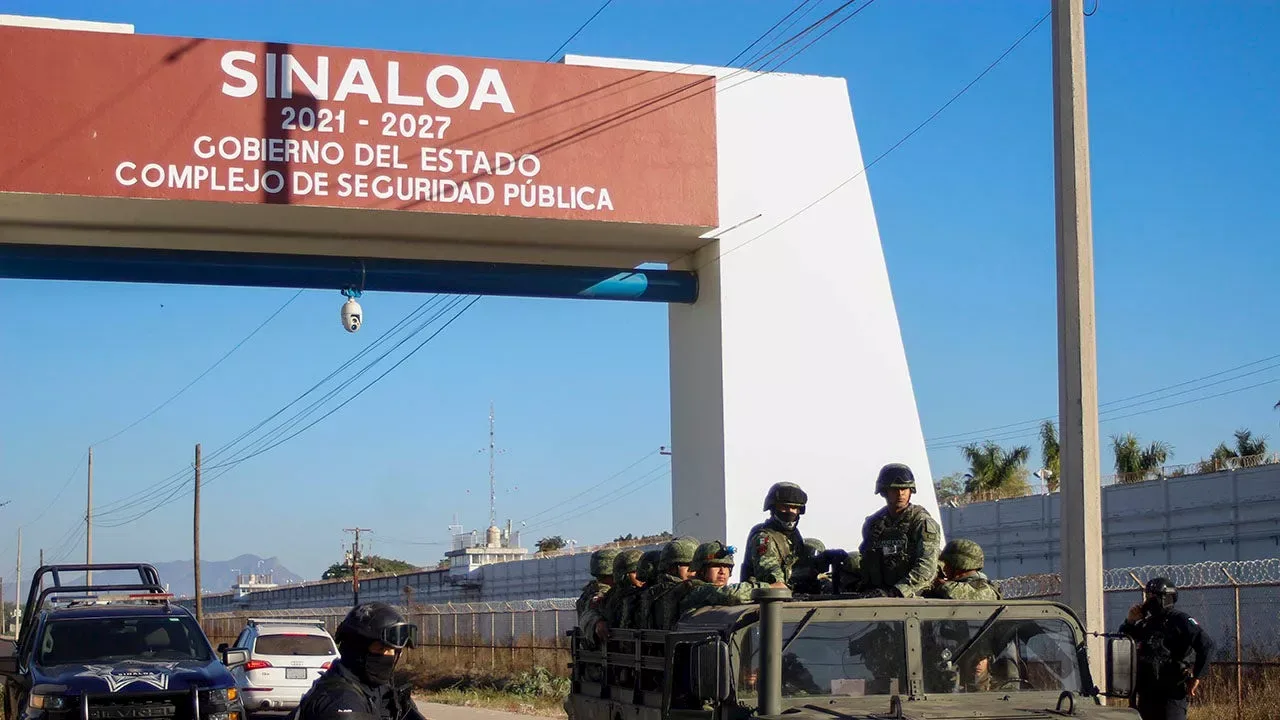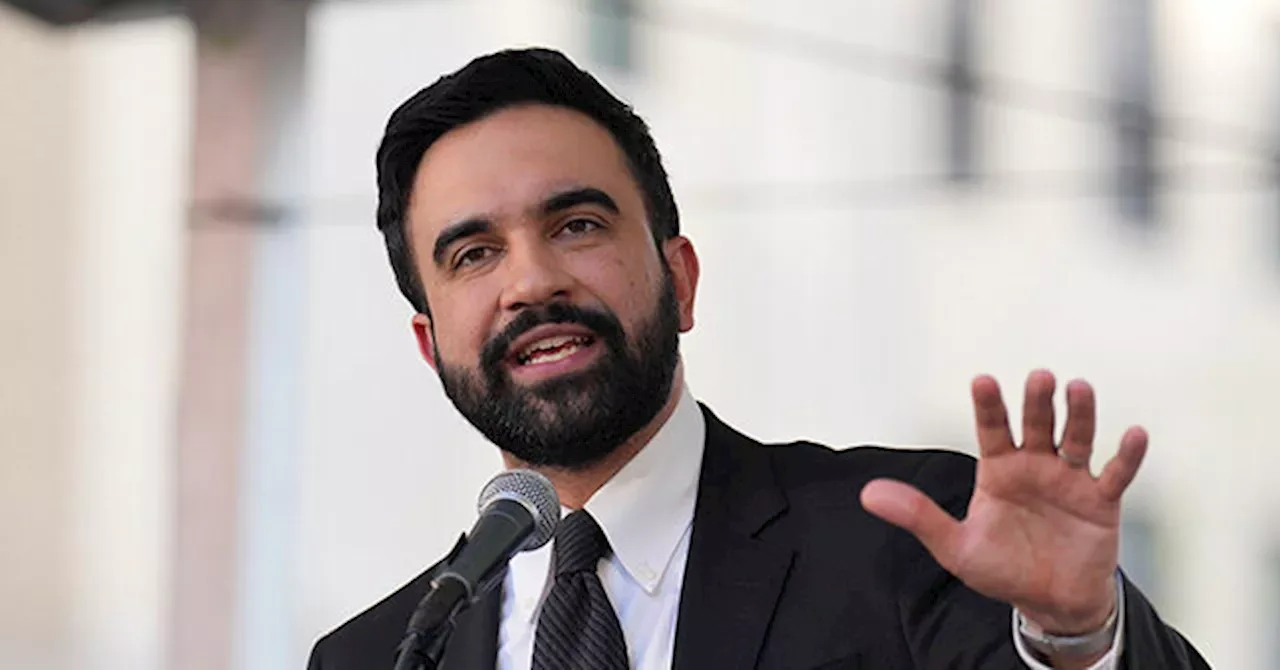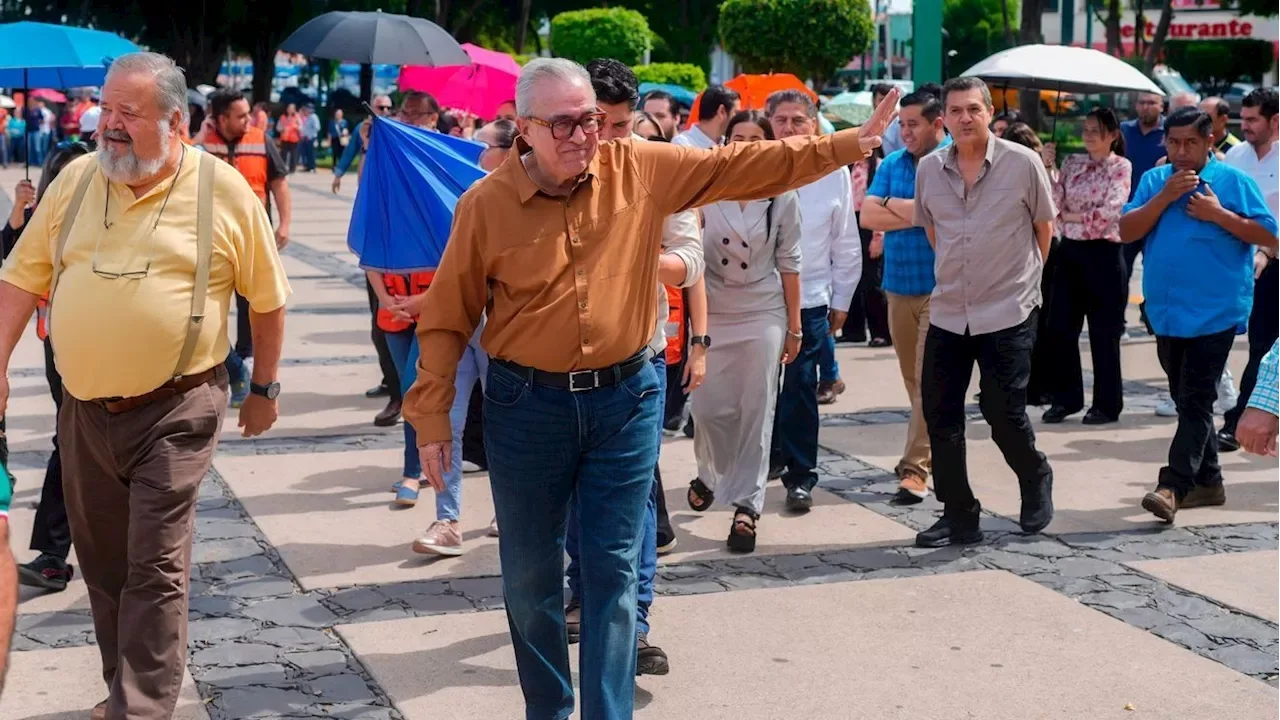
Sinaloa state Governor Rubén Rocha Moya and Juan de Dios Gámez Mendívil, mayor of the state capital Culiacán, said they would step down temporarily following US charges that accuse them and eight other serving and former officials and security officers of drug trafficking. Rocha, who has held the governor's post for six years, announced his leave of absence in a video posted late Friday.
In the announcement, Rocha denied protecting the Sinaloa cartel and facilitating drug smuggling into the United States in exchange for bribes. "My conscience is clear," he said, adding that he would take leave to defend himself against what he characterized as "false and malicious" allegations. Gámez Mendívil similarly denied the charges and announced his own temporary leave, with the city's comptroller assuming the interim mayoral role on Saturday.

Both officials retained their positions technically rather than resigning outright—a strategic distinction in Mexico. As governor and mayor, they enjoy immunity from criminal prosecution, a protection that would be lost if they resigned. Under Mexican law, Congress must first impeach them before they can face charges. Their temporary leave preserves that immunity while they contest the indictment.
President Sheinbaum said she had not seen credible evidence against the 10 indicted officials but pledged that Mexican authorities would conduct their own investigation. She declared that any officials eventually charged would be tried in Mexico rather than the United States, provided "irrefutable" evidence emerged. The Mexican attorney general's office stated it would not arrest Rocha or the other accused officials as the U.S. had requested, pending the outcome of their own inquiry.
Rocha, a prominent ally of Sheinbaum's predecessor Andrés Manuel López Obrador, characterized the indictment as a political attack on his Morena party. He stated he would not allow himself to be used to damage the movement. The governor has a history entangled with cartel investigations. In 2024, he was named in a letter written by a Sinaloa cartel leader who was later kidnapped by rival faction members and handed to U.S. law enforcement. That letter indicated the cartel operative was traveling to meet with Rocha when he was abducted.
The indictment has tested Sheinbaum's balancing act between her progressive Morena party and mounting pressure from U.S. President Donald Trump to intensify anti-cartel operations. Trump's administration has threatened military action against cartels within Mexican territory. Sheinbaum rejected any subordination of Mexican sovereignty on the matter. "We will never subordinate ourselves because this is a matter of the dignity of the Mexican people," she said Friday.